
The Complete Guide to Removing Coffee and Wine Stains from Antique Rugs
The Heart-Dropping Moment: Facing a Spill on an Antique Rug
Few things induce panic quite like watching a dark stream of red wine or hot coffee splash across a treasured antique rug. Because antique rugs are often woven from natural fibers like wool and silk and dyed with delicate vegetable pigments, a clumsy spill can feel like a disaster. However, how you react in the first few minutes can make the difference between a pristine recovery and a permanent stain. At Shabahang Rugs, we understand the emotional and financial value of your heirloom pieces, and we are here to guide you through the safest emergency response techniques for preserving your textile art.
Immediate Action: What to Do in the First 60 Seconds
The golden rule of stain removal on antique textiles is simple: act fast, but act gently. The longer a liquid sits, the deeper it penetrates into the foundation of the rug.
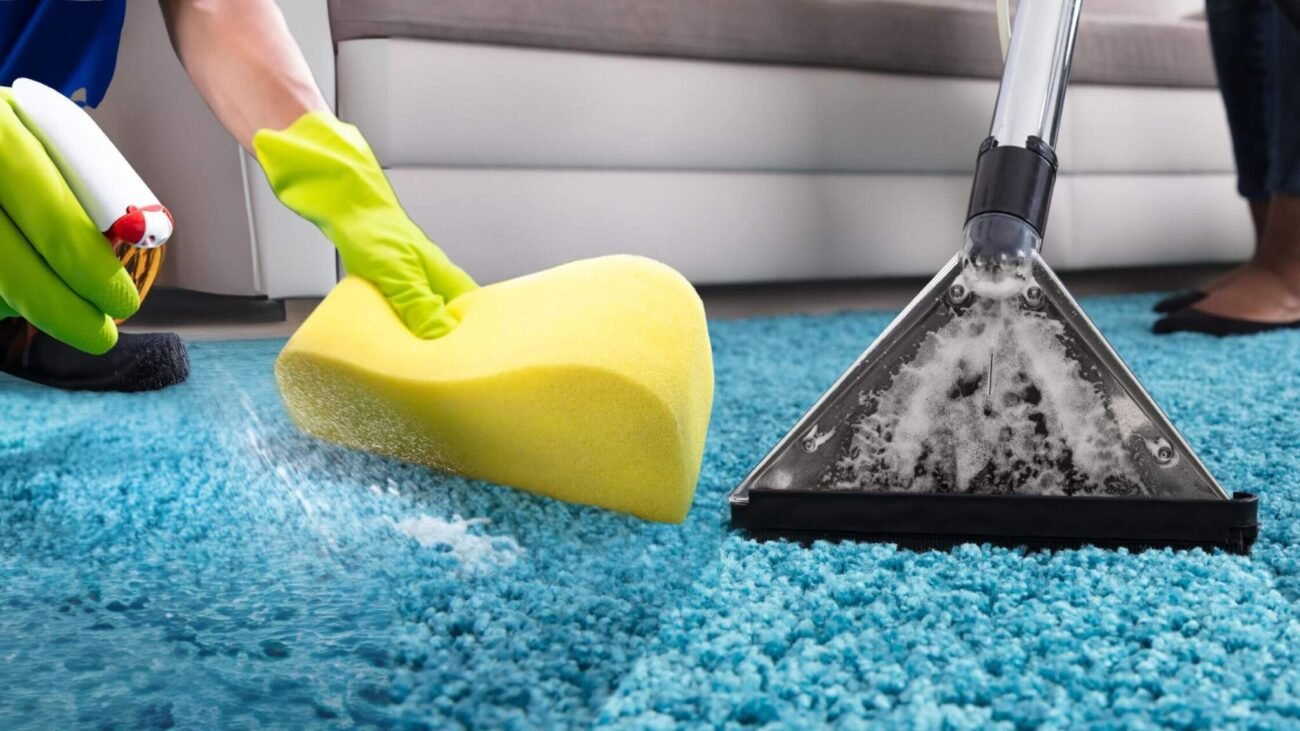
- Never Rub or Scrub: Scrubbing forces the liquid deeper into the knot structure and frays the delicate vintage fibers.
- Blot, Don’t Push: Use a clean, highly absorbent white cotton cloth or paper towel to press down gently on the spill, absorbing as much excess liquid as possible.
- Work from the Outside In: To prevent the stain from spreading into a larger ring, always blot from the outer edges toward the center of the spill.
Understanding the Chemistry of Coffee and Wine
Before applying any substance to an antique rug, it helps to understand what you are fighting. Coffee is acidic and contains tannins, which bind stubbornly to natural fibers. Red wine is deeply pigmented, loaded with chromogens and tannins, and shifts from purple to a permanent brown or red set if exposed to heat or the wrong cleaning agents. Because antique dyes are sensitive to changes in pH, common household cleaners—such as dish soap, ammonia, or commercial carpet spotters—can strip the color or chemically burn the wool and silk.
Safe DIY Emergency Solutions
If you cannot get your rug to a professional immediately, you can use mild, natural solutions to stabilize the stain. Always test any solution on a tiny, hidden corner of the rug first to ensure it does not cause color bleeding.
| Solution Type | Best Used For | Application Method |
| Cool Water & White Vinegar | Fresh Coffee Stains | Mix equal parts cool water and white vinegar; blot gently. |
| Club Soda | Red Wine (Immediate Response) | Pour a small amount onto a cloth and blot the stain to dilute tannins. |
| Cornstarch / Baking Soda | Absorbing Liquid Residue | Sprinkle over wet spots to lift moisture; vacuum gently later. |
Step-by-Step Coffee Stain Removal
Coffee spills are notorious for leaving a yellowish-brown ring if they dry improperly. Follow these steps to handle a coffee spill on your antique rug:
- Blot up all excess liquid using a clean white cloth until no more moisture transfers to the towel.
- Mix one teaspoon of mild, pH-neutral liquid dish soap with two cups of warm (never hot) water and a tablespoon of white vinegar.
- Dampen a clean cloth with the mixture and gently blot the stain from the outside edges inward.
- Rinse the area by blotting with a separate cloth dampened with plain cool water to remove any soap residue.
- Press dry towels firmly onto the spot to extract the remaining moisture.
Step-by-Step Red Wine Stain Removal
Red wine requires a delicate touch because of its intense pigment. Never apply white wine or salt myths blindly, as they can sometimes complicate professional restoration later.
- Blot up as much pooling wine as possible immediately with clean white cloths.
- Dilute the remaining wine slightly by applying a small amount of club soda to a cloth and blotting the area.
- Mix a solution of one cup of cool water, one tablespoon of white vinegar, and a half teaspoon of mild dish soap.
- Gently dab the stain with the mixture, working carefully so as not to disturb the wool or silk foundation.
- Blot thoroughly with a dry white towel until the area is as dry as possible.
What NOT to Do: Common Mistakes That Ruin Antique Rugs
Well-meaning homeowners often cause permanent damage to antique rugs by relying on popular internet cleaning hacks. Avoid these critical errors at all costs:
- Using Hot Water: Heat sets protein and tannin-based stains (like wine and coffee), binding the pigments permanently to the wool fibers.
- Applying Commercial Carpet Cleaners: Supermarket sprays often contain bleaching agents, optical brighteners, or high alkalinity that will strip antique dyes instantly.
- Using Hairdryers or Heaters: Forcing a wet spot to dry quickly with heat can warp the rug foundation and cause shrinkage or color migration.
When to Call the Professionals
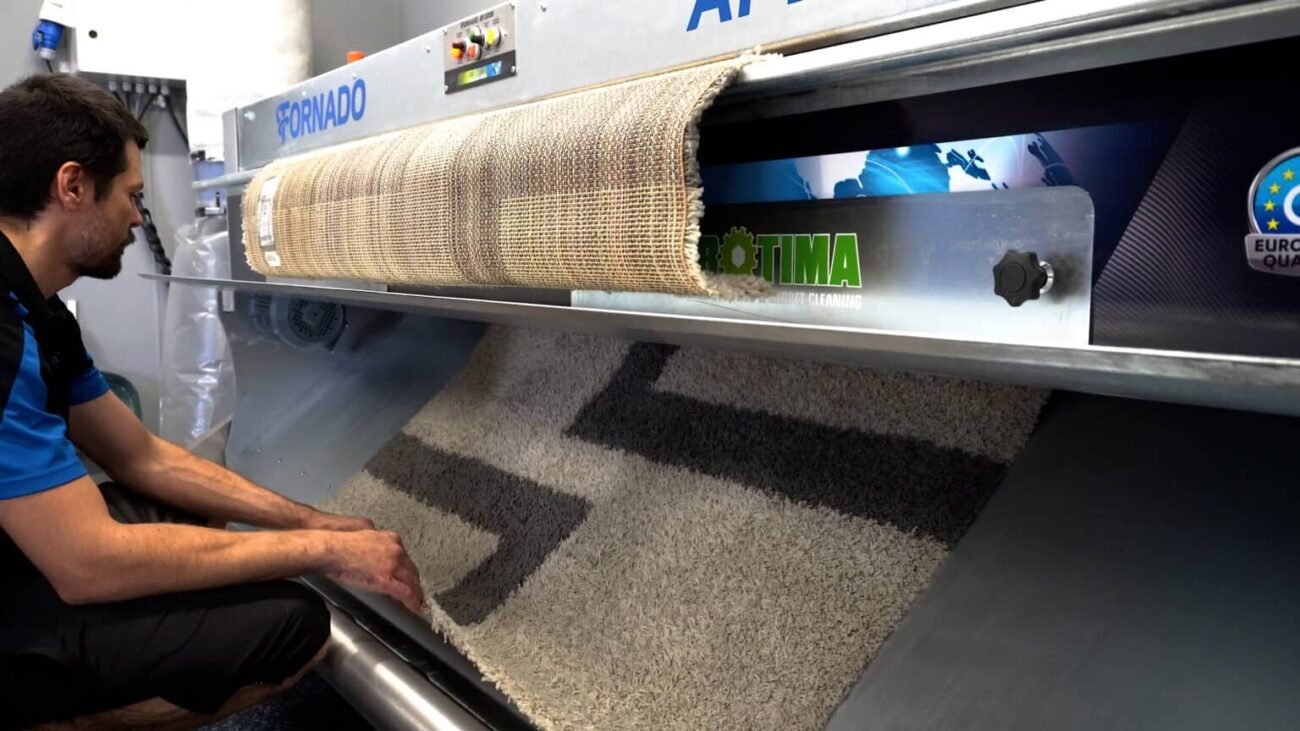
While home remedies can minimize a fresh spill, they are rarely enough to completely extract deep-seated tannins from the foundation of an antique rug. If the rug is a high-value antique, or if the stain refuses to lift after initial blotting, it is time to seek professional intervention. At Shabahang Rugs, our restoration specialists use advanced, fiber-safe techniques and organic cleaning solutions designed specifically to protect delicate antique weaves without risking color bleeding or structural degradation.
Frequently Asked Questions
1. Can I use salt to clean up a red wine spill on an antique rug?
It is generally best to avoid heavy use of salt. While salt absorbs moisture, it can crystallize deep within the rug’s foundation knots, making it difficult to remove and potentially abrasive to the fibers over time.
2. Will professional cleaning completely remove an old, set-in coffee stain?
In many cases, yes. Professional rug cleaners have specialized reducing agents and pH-balanced solutions that can break down old tannins, though success depends heavily on the age and dye stability of the rug.
3. Is it safe to use hydrogen peroxide on wine stains on wool rugs?
No. Hydrogen peroxide is a bleaching agent and can permanently strip the natural color out of wool and silk fibers, leaving a bleached, white spot on your antique rug.
4. How should I dry my antique rug after treating a spot?
Lay the rug flat on a clean surface with plenty of airflow. You can place clean towels underneath to help wick away moisture. Never hang a wet antique rug over a railing, as the heavy weight of the water can distort and snap the foundation warps.
5. How often should antique rugs be professionally maintained?
Antique rugs in low-to-moderate traffic areas should generally undergo professional immersion cleaning every 18 to 24 months to remove deep grit and maintain the suppleness of the natural fibers.