
Water damage to rugs is a homeowner’s nightmare. Whether from burst pipes, flooding, or appliance leaks, Water-Damaged Rugs require immediate attention to prevent permanent damage. Understanding what can be saved and what cannot helps you make informed decisions during this stressful time.
How Water Damages Rugs
Water affects rugs in multiple destructive ways. When fibers absorb moisture, they swell and weaken, compromising the rug’s structural integrity. Natural dyes often bleed when wet, causing colors to run together and ruining intricate patterns. The cotton foundation that holds many hand-knotted rugs together becomes vulnerable when saturated, potentially rotting or separating from the pile.
Odor buildup begins within hours as bacteria multiply in damp conditions. Perhaps most concerning is the rapid growth of mold and mildew, which can start colonizing a wet rug within 24 to 48 hours. The rug’s shape may also distort as different materials shrink or stretch at varying rates during the drying process.
Types of Water Damage (Clean, Gray & Black Water)
Not all water damage is equal. The contamination level determines whether restoration is possible and safe.
Clean Water Damage
Clean water comes from sources like burst pipes, rainwater, or leaking faucets. This type contains no harmful contaminants and presents the best scenario for rug restoration. Rugs exposed to clean water can usually be saved if treated within 24 to 48 hours. Quick action prevents mold growth and minimizes fiber damage.
Gray Water Damage
Gray water originates from washing machines, dishwashers, or sink overflows. It contains some contaminants but isn’t considered hazardous. Many rugs exposed to gray water can be saved through professional deep cleaning and sanitization. The key is thorough washing that removes all contaminants while preserving the rug’s integrity.
Black Water Damage (Sewage/Floodwater)
Black water is highly contaminated with sewage, chemicals, or floodwater carrying debris and bacteria. This presents serious health risks. Rugs soaked in black water often cannot be saved due to the impossibility of complete sanitization. Even valuable pieces may need to be discarded to protect household health.
Rugs That Can Usually Be Saved
Material composition plays a crucial role in determining salvageability after water exposure.
Wool Rugs
Wool is remarkably resilient. These rugs can often recover from water damage with proper professional washing. Wool’s natural lanolin provides some water resistance, and the fibers maintain strength even when wet. Professional cleaning can restore most wool rugs to their original condition if addressed quickly.
Cotton Rugs
Cotton rugs are saveable if mold hasn’t established itself. While cotton absorbs water readily, it also dries relatively quickly with proper airflow. Professional cleaning removes contaminants and prevents odor development. However, cotton foundations in hand-knotted rugs are more vulnerable than cotton pile rugs.
Synthetic Rugs (Polypropylene, Nylon)
Synthetic fibers are least affected by water damage. Polypropylene and nylon don’t absorb moisture like natural fibers, making them easier to clean and disinfect. These rugs dry quickly and resist mold growth, offering the best prognosis for complete recovery after water exposure.
Rugs That Often Cannot Be Saved
Some rug types are particularly vulnerable to water damage and may be beyond restoration.
Silk Rugs
Water is silk’s enemy. The delicate fibers weaken dramatically when wet, and silk is extremely sensitive to dye bleeding. Even minor water exposure can cause irreversible staining and fiber damage. The cost of attempting restoration often exceeds the rug’s value, especially if significant dye transfer has occurred.
Antique Rugs
Antique and vintage rugs have fragile foundations that often collapse when saturated. Decades-old cotton backing disintegrates under the stress of water weight. The historical value of these pieces makes water damage particularly devastating, as even expert restoration may not preserve their integrity or authenticity.
Viscose/Rayon Rugs
Viscose and rayon rugs suffer catastrophic damage from water. These plant-based synthetic fibers turn stiff, yellow, and distorted when wet. The damage is typically irreversible, with fibers becoming brittle and the backing delaminating. Water-damaged viscose rugs usually must be replaced rather than restored.
Black-Water-Exposed Rugs
Any rug exposed to sewage or contaminated floodwater poses health hazards. The contamination penetrates deep into fibers and backing, making complete sanitization impossible. These rugs must be discarded regardless of material or value to protect household health and safety.
Signs Your Rug Can Be Saved
Several indicators suggest successful restoration is possible. If there’s no strong mold smell, the situation is promising. Minimal or no severe dye bleeding means colors remain intact. A foundation that still feels firm indicates structural integrity hasn’t been compromised.
Check whether fibers remain flexible rather than brittle. Most importantly, recent damage within 24 to 48 hours offers the best recovery chances. Quick action dramatically improves outcomes for flood-damaged rugs.
Signs Your Water-Damaged Rug Cannot Be Saved
Certain warning signs indicate a rug is beyond restoration. Heavy sewage contamination means the rug cannot be safely cleaned. A strong, persistent mildew odor suggests deep mold colonization throughout the pile and backing.
If the rug’s structure is collapsing or feels unstable when lifted, the foundation has failed. Deep dye bleeding that ruins patterns cannot be reversed. Visible mold spreading across the surface indicates extensive contamination. Finally, if a rug stayed wet for 72 hours or longer, mold and bacterial growth have likely progressed too far for successful restoration.
How to Save a Water-Damaged Rug (Step-by-Step)
Immediate action is critical for saving water-soaked rugs.
1. Remove Excess Water Immediately
Blot the rug with clean towels to absorb as much water as possible. Press down firmly but avoid wringing or twisting, which can damage the foundation and distort the pile. Work from the center outward to prevent spreading contamination.
2. Place Rug in Sunlight / Airflow
Speed is everything when drying rugs after flooding. Position the rug in direct sunlight if possible, as UV rays help kill bacteria and prevent mold. Use fans to create continuous airflow across both sides of the rug. Deploy dehumidifiers to remove moisture from the surrounding air, accelerating the drying process.
3. Avoid Using Heat (It Shrinks Wool & Cotton)
Never use direct heat sources like hair dryers or heaters on wet wool rugs. Heat causes wool and cotton to shrink unevenly, creating permanent distortion. Room temperature air circulation is safer and more effective for preserving the rug’s original dimensions.
4. Inspect for Mold, Odor and Dye Bleeding
After initial drying, carefully examine the rug for warning signs. Check for musty odors indicating mold growth. Look for color transfer where different dyed areas touch. Feel the backing for weakness or delamination. This assessment helps determine whether professional intervention is needed.
5. Seek Professional Rug Cleaning ASAP
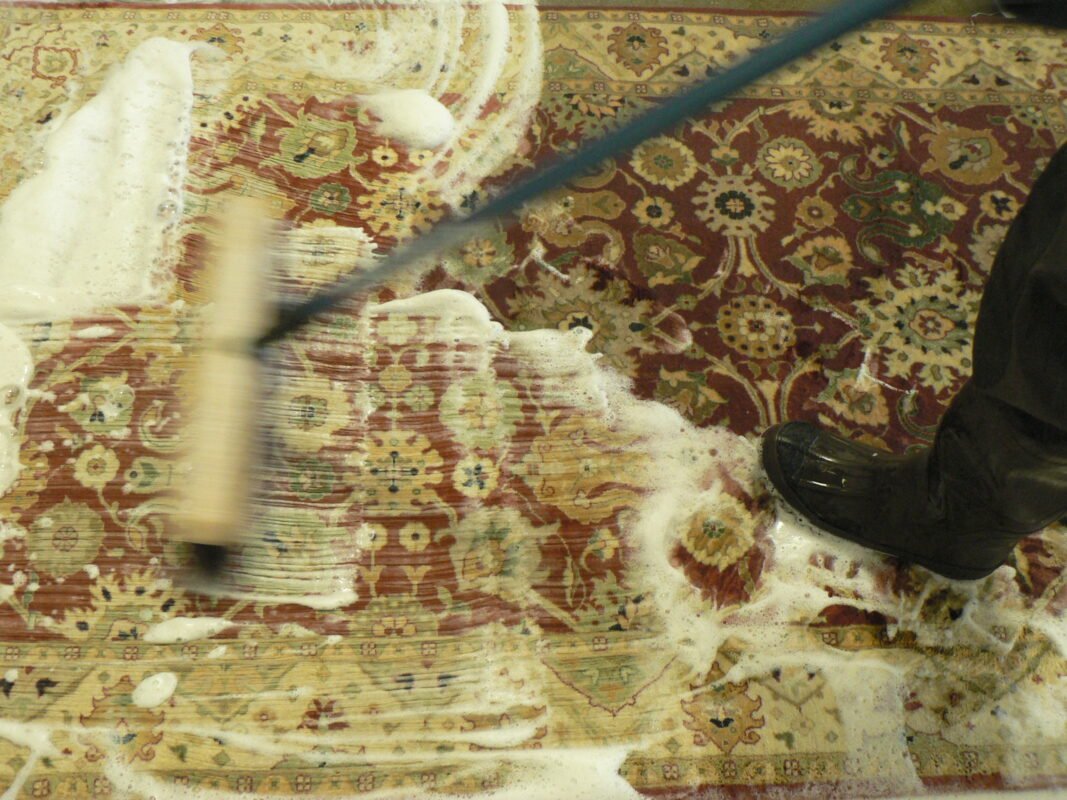
Professional emergency rug cleaning offers the best chance of complete restoration. Experts use specialized techniques unavailable to homeowners. The process typically includes thorough dusting to remove embedded dirt, complete flood washing with pH-balanced solutions, controlled drying in climate-regulated environments, professional odor removal treatments, and color correction if dye bleeding has occurred.
What Rug Experts Will Not Attempt to Save
Professional restorers exercise judgment about which rugs can be safely and effectively restored. Reputable specialists will not attempt to save rugs soaked in sewage due to health hazards. Rugs with fully delaminated backing cannot be restored to structural integrity.
Those with severely deteriorated cotton foundations cannot support the pile even after cleaning. Rugs with black mold infestation throughout the fibers and backing present health risks that outweigh restoration value. In these cases, honest professionals will recommend replacement rather than attempting futile or dangerous restoration.
Preventing Future Water Damage
Prevention is always better than restoration. Several strategies protect your investment in quality rugs.
Use rug pads to elevate rugs slightly off the floor, allowing air circulation and providing a barrier against floor-level moisture. Keep rugs away from leak-prone areas like under sinks, near water heaters, and in front of washing machines.
Address plumbing issues early, before small leaks become major floods. In basements, elevate rugs on platforms or avoid placing valuable pieces in flood-prone areas. During storm warnings or flood season, roll up and store rugs in safe, elevated locations until the threat passes.
Frequently Asked Questions
Can a water-damaged rug be saved?
Many water-damaged rugs can be saved if action is taken within 24 to 48 hours. Success depends on the type of water exposure, rug material, and how quickly drying begins. Wool and synthetic rugs have the best recovery potential, while silk and viscose rarely survive water damage. Clean water damage offers better odds than gray or black water contamination.
How long does it take for mold to grow on a rug?
Mold can begin growing on a wet rug within 24 to 48 hours in humid conditions. This timeline underscores the importance of immediate action when dealing with rug water damage. Temperature and humidity levels affect growth speed, with warm, damp environments accelerating colonization. Acting within the first day prevents most mold-related complications.
Should I throw away a rug after a flood?
Not always. The decision depends on contamination level and rug value. Clean water floods may allow restoration of quality pieces. However, rugs exposed to sewage, black water, or contaminated floodwater should be discarded due to health risks. When to replace a water-damaged rug becomes clear when restoration costs exceed replacement value or when health hazards are present.
How do professionals clean water-damaged rugs?
Professional cleaning for flood-damaged rugs involves several specialized steps. First, experts perform thorough dusting to remove embedded debris. Then they conduct complete immersion washing using pH-balanced solutions that extract contaminants without damaging fibers. Controlled drying in climate-regulated facilities prevents shrinkage and mold growth. Finally, technicians apply odor removal treatments and perform color correction if needed.
What happens if a rug stays wet too long?
Extended wetness causes severe, often irreversible damage. Mold on rugs becomes established and spreads throughout backing and fibers. The cotton foundation deteriorates and may rot completely. Dye bleeding becomes more pronounced, permanently altering patterns. Bacterial growth creates stubborn odors that resist treatment. After 72 hours of wetness, most rugs cannot be fully restored regardless of their original value or material.
Contact Shabahang Rugs for Expert Water Damage Assessment
When water damage strikes your valuable rugs, time is critical. Shabahang Rugs specializes in emergency rug cleaning and restoration, with decades of experience saving water-soaked rugs from seemingly hopeless situations. Our experts understand which rugs can be restored and which cannot, providing honest assessments that prioritize your safety and investment.
Our state-of-the-art facility uses controlled drying environments, specialized washing techniques, and professional-grade treatments unavailable to general cleaners. We handle everything from minor water exposure to severe flood damage, working with insurance companies to streamline the restoration process.
Don’t risk permanent damage or health hazards by attempting DIY restoration on valuable pieces. Contact us at Shabahang Rugs immediately for professional water damage assessment and emergency rug cleaning services. Our team responds quickly to prevent mold growth and maximize your rug’s recovery potential, ensuring the best possible outcome for your treasured pieces.
Call Shabahang Rugs Today
Call now: (847) 256-5205
Address: 3207 Lake Avenue, Wilmette, IL 60091
Request a free Quote: Shabahang Rugs