
Rug layering has become one of the most popular interior styling techniques used by designers to create depth, warmth, and personality in a space. Instead of relying on a single rug, this approach combines multiple rugs to build texture, contrast, and visual interest.
Homeowners and designers love rug layering because it instantly makes a room feel curated and inviting. A thoughtfully layered combination of rugs can transform a plain living room, bedroom, or entryway into a sophisticated interior that feels both cozy and luxurious.
By mixing textures, colors, and patterns, rug layering allows you to experiment with design while maintaining a balanced aesthetic. Whether you choose a neutral base rug paired with a statement piece or combine different textures like wool and natural fibers, the result is a layered look that feels refined and comfortable.
High quality handcrafted pieces such as those found at Shabahang Rugs are particularly suited for this technique because their timeless designs and premium materials bring elegance and character to any layered arrangement.
What Is Rug Layering in Interior Design
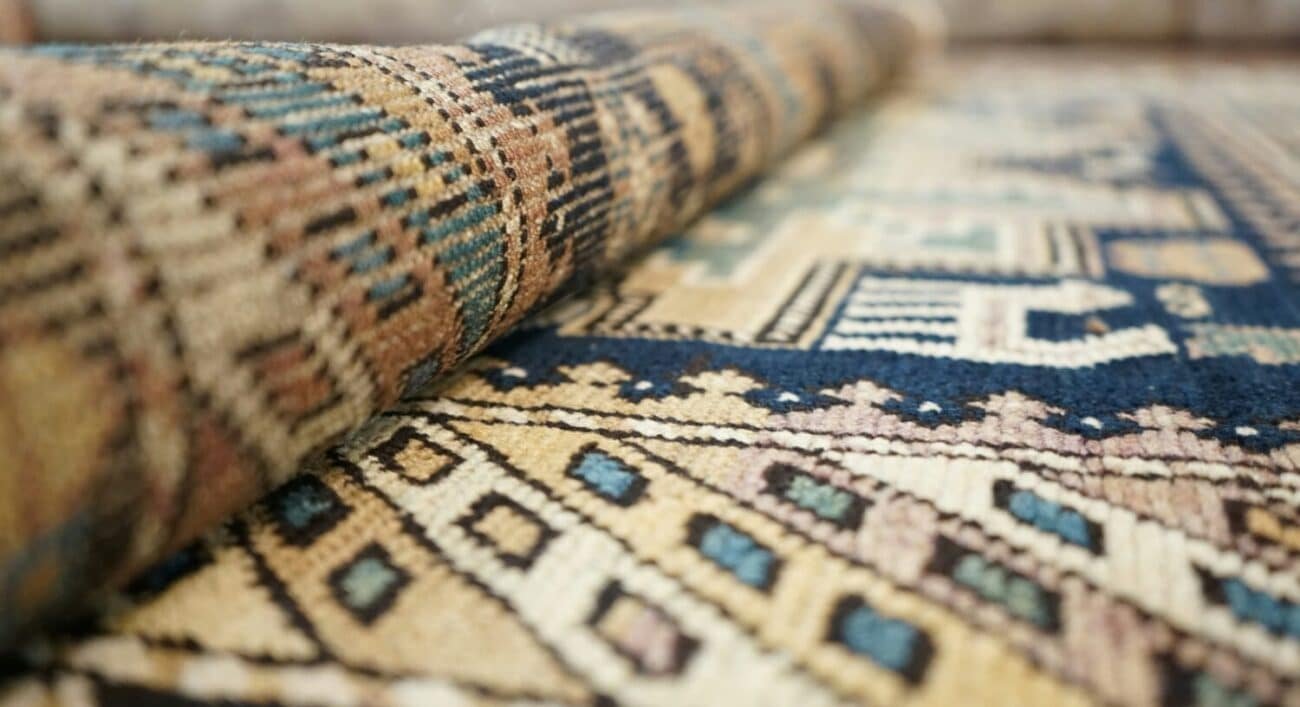
Rug layering is an interior design technique where a smaller accent rug is placed on top of a larger base rug. This method adds dimension, texture, and contrast to a room while helping define specific zones within the space.
Interior designers often use layered rugs to solve common decorating challenges. For example, a smaller vintage rug can be placed over a larger neutral base to make it work in a bigger room. Layering also helps anchor furniture layouts and visually separate seating or conversation areas.
Another benefit of this technique is flexibility. By combining rugs with different patterns, textures, or materials, homeowners can refresh the style of a room without replacing large pieces of furniture.
Why Rug Layering Creates a Designer Look
Layering rugs introduces several design elements that make a room feel professionally styled.
First, it creates visual depth. Multiple layers of texture and color naturally draw the eye and add dimension to the floor. Instead of a flat surface, the layered arrangement becomes a focal point within the room.
Second, rug layering enhances texture contrast. Combining materials such as wool, flatweave cotton, and natural fibers like jute or sisal produces a rich tactile effect that adds warmth to the space.
Third, the technique allows for personal expression. Designers often combine traditional rugs with contemporary interiors to create a balanced mix of old and new. This approach makes the space feel unique rather than overly coordinated.
Finally, layered rugs increase comfort. Extra softness underfoot can make living areas and bedrooms feel more inviting while also improving insulation and sound absorption.
The Two Layer Rule Designers Use
One of the most common principles used by interior designers is the two layer rule. This structure keeps rug layering simple and visually balanced.
Base Rug
The base rug acts as the foundation of the layered arrangement. It should be larger than the top rug and usually features a neutral color or subtle pattern.
Popular base rug materials include natural fibers such as jute and sisal or flatweave constructions that sit low against the floor. These materials provide durability while allowing the top rug to stand out visually.
In most spaces the base rug should extend at least 12 to 24 inches beyond the top rug on each side. This creates a clear frame that highlights the accent layer.
Top Rug
The top rug functions as the statement piece. It is typically smaller and often features a bold pattern, vibrant color, or distinctive texture.
Traditional pieces such as Persian rugs or Moroccan rugs are frequently used as top layers because their intricate patterns bring character and history to the design.
Vintage rugs are also popular choices because their slightly faded tones add a relaxed and lived in appearance that complements modern interiors.
Best Rug Combinations for Layering
The most successful layered rug designs rely on thoughtful combinations of materials, textures, and patterns. The following combinations are frequently recommended by interior designers.
Natural Fiber Base and Vintage Rug
A natural fiber base rug paired with a vintage style accent rug is one of the most classic layering combinations.
Examples include:
Jute base with a Persian rug
Sisal base with a Moroccan rug
Flatweave base with a wool rug
This combination works well because the textured neutral base allows the decorative rug to stand out without overwhelming the room.
Neutral Base with Bold Pattern
Another effective strategy is to start with a soft neutral base and layer a patterned accent rug on top.
Examples include:
Beige base with a tribal patterned rug
Grey base with a terracotta accent rug
Ivory base with a geometric rug
The neutral base anchors the design while the patterned rug introduces color and personality.
Texture Contrast
Texture contrast is one of the most important principles of rug layering.
Mixing materials with different tactile qualities creates a dynamic and comfortable surface underfoot.
Popular combinations include:
Flatweave rugs layered with shag rugs
Woven natural fiber rugs paired with plush wool rugs
Jute bases topped with soft sheepskin accents
These combinations add warmth while preventing the layered design from feeling visually flat.
Rug Layering Ideas by Room
Different areas of the home benefit from specific layering strategies. Designers often tailor rug placement to suit the function of each room.
Living Room
In living rooms, a large base rug helps anchor the seating arrangement. A smaller patterned rug can then be placed beneath the coffee table or in the center of the seating area.
A jute base combined with a decorative Persian rug creates a balanced look that feels warm and inviting.
Bedroom
Bedrooms are perfect spaces for layered textures. A large wool rug can cover the main floor area while a smaller rug or runner is placed at the foot of the bed.
This arrangement adds softness where it is most needed while also creating a visually appealing focal point.
Entryway
Entryways benefit from durable layered designs that can handle frequent foot traffic.
A sturdy base rug can be paired with a decorative runner to add style while maintaining functionality. The layered design also helps protect floors from dirt and moisture.
Dining Room
When layering rugs in dining areas it is important to choose low pile materials that allow chairs to move easily.
A flatweave base rug combined with a slightly smaller accent rug can create a refined look without interfering with furniture movement.
Designer Rules for Rug Layering
Professional designers often follow a few key rules to ensure layered rugs look balanced and intentional.
Size Matters
The base rug should be significantly larger than the top rug. Ideally the base extends 12 to 24 inches beyond the accent rug on each side.
This difference in size creates a clear visual frame and prevents the layers from appearing crowded.
Avoid Similar Sizes
When rugs are too close in size the layered effect becomes less noticeable. Choosing a smaller top rug ensures that the contrast between layers is clear.
Mix Textures
Combining different fibers and pile heights adds richness to the design. Pairing rough natural fibers with soft wool or plush textures creates a dynamic look.
Coordinate Colors
Even when mixing patterns, the rugs should share at least one color tone. This helps unify the design and prevents the layers from clashing visually.
Use Rug Pads
Non slip rug pads are essential for safety. They keep the layers in place and add cushioning that improves comfort underfoot.
Common Rug Layering Mistakes
Although rug layering is versatile, certain mistakes can disrupt the overall design.
Using rugs that are nearly identical in size is one of the most common issues. Without a clear size difference the layered effect loses its impact.
Another mistake is combining too many bold patterns. While pattern mixing can be attractive, excessive visual complexity may make the space feel cluttered.
Thickness is another factor to consider. Layering two high pile rugs can create an unstable surface that may become a tripping hazard.
Finally, failing to secure rugs with pads can cause slipping and misalignment, which diminishes both safety and aesthetics.
How Shabahang Rugs Elevates the Rug Layering Trend
Luxury handcrafted rugs bring authenticity and character to layered designs. This is where Shabahang Rugs stands out as a trusted source for premium pieces.
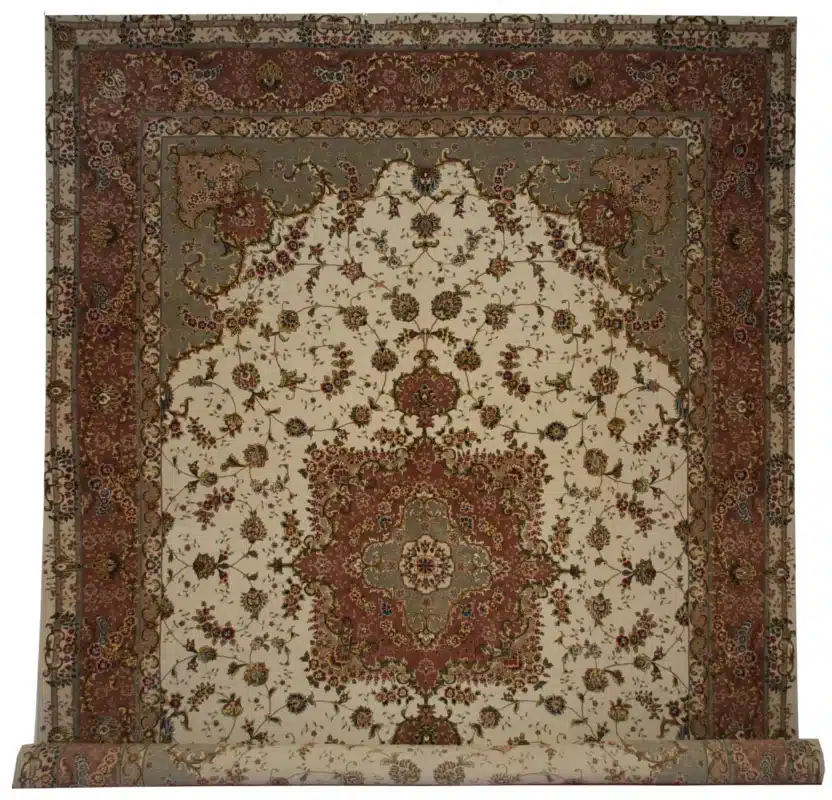
The brand specializes in authentic Persian rugs, handmade wool rugs, and vintage inspired designs that work beautifully as statement layers. Each rug reflects generations of craftsmanship, featuring intricate patterns and rich natural dyes.
Persian rugs are particularly well suited for layering because their detailed motifs and timeless color palettes create a striking contrast when placed over neutral base rugs.
Homeowners often use vintage Persian designs as accent layers to introduce warmth and artistic detail into contemporary interiors. When combined with simple natural fiber bases, these rugs create a balanced blend of traditional craftsmanship and modern styling.
By incorporating handcrafted rugs from Shabahang Rugs, designers and homeowners can achieve layered interiors that feel elegant, timeless, and deeply personal.
Final Thoughts
Rug layering is a powerful design technique that can transform any room into a sophisticated and comfortable space. By combining different textures, materials, and patterns, layered rugs create depth and character that single rugs often cannot achieve.
Whether you are styling a living room, bedroom, or entryway, following a few simple principles such as using a large neutral base and a smaller statement rug can help you achieve a professional designer look.
Handcrafted pieces like Persian and vintage rugs add authenticity and beauty to layered arrangements. With thoughtful combinations and high quality materials, rug layering becomes more than a decorating trend. It becomes a way to bring warmth, personality, and timeless style into your home.