
When you invest in a beautiful handmade rug, the last thing you want is to see its vibrant colors bleed and run during cleaning. Professional rug cleaners understand this concern, which is why they test rug colorfastness as a non-negotiable first step in their cleaning process. At Shabahang Rugs, we’ve seen countless rugs damaged by improper cleaning methods that skipped this critical safety measure. Understanding how professionals test rug colorfastness for color stability can help you appreciate why expert care is essential for preserving your rug’s beauty and value.
What Is Rug Colorfastness?
Colorfastness refers to a rug’s ability to retain its dye colors when exposed to moisture, cleaning solutions, heat, and agitation. A colorfast rug maintains its original hues without bleeding, running, or transferring dye to other areas. Dye stability matters tremendously because unstable dyes can migrate from darker sections to lighter ones, creating permanent stains and irreversible color distortion.
When dyes aren’t properly set during the rug-making process, they remain vulnerable to moisture. This instability becomes especially problematic during washing, when water and cleaning solutions can reactivate these loosely bound dyes. The result is often a beautiful rug transformed into a muddy, blotched disaster with colors that have bled together beyond recognition.
Why Colorfastness Testing Is Done Before Washing
Professional cleaners perform colorfastness testing to prevent catastrophic dye bleeding that can ruin a rug permanently. This preventive step allows them to identify which colors are unstable before introducing moisture and cleaning solutions to the entire piece.
Testing prevents dye migration between adjacent color zones, protecting the crisp separation between light and dark areas that gives many rugs their visual appeal. It also ensures that cleaning methods can be tailored to each rug’s specific vulnerabilities, using gentler techniques or specialized products when needed.
Beyond preventing immediate damage, colorfastness testing preserves a rug’s long-term value and appearance. Oriental and Persian rugs, especially antique pieces, can be worth thousands of dollars. A single cleaning mistake that causes color bleeding can reduce that value dramatically or render the rug worthless.
Rugs Most at Risk for Color Bleeding
Not all rugs carry the same risk of dye bleeding. Handmade rugs, particularly those created using traditional methods, are significantly more vulnerable than machine-made synthetic rugs. The artisanal dyeing processes, while beautiful, don’t always achieve the chemical stability of modern industrial dyeing.
Wool rugs are particularly susceptible to color bleeding because wool fibers are naturally absorbent and can hold excess dye that wasn’t fully set. Silk rugs present even greater challenges due to their delicate fibers and the difficulty of achieving permanent dye bonds with silk proteins.
Oriental and Persian rugs demand extra caution because many are made with natural or vegetable dyes. These traditional dyes, derived from plants, insects, and minerals, create stunning colors but often lack the chemical stability of modern synthetic dyes. Red dyes, particularly those made from madder root or cochineal insects, are notorious for bleeding. At Shabahang Rugs, we pay special attention to these traditional pieces, knowing that their beauty requires equally specialized care.
Step-by-Step: How Professionals Test Rug Colorfastness
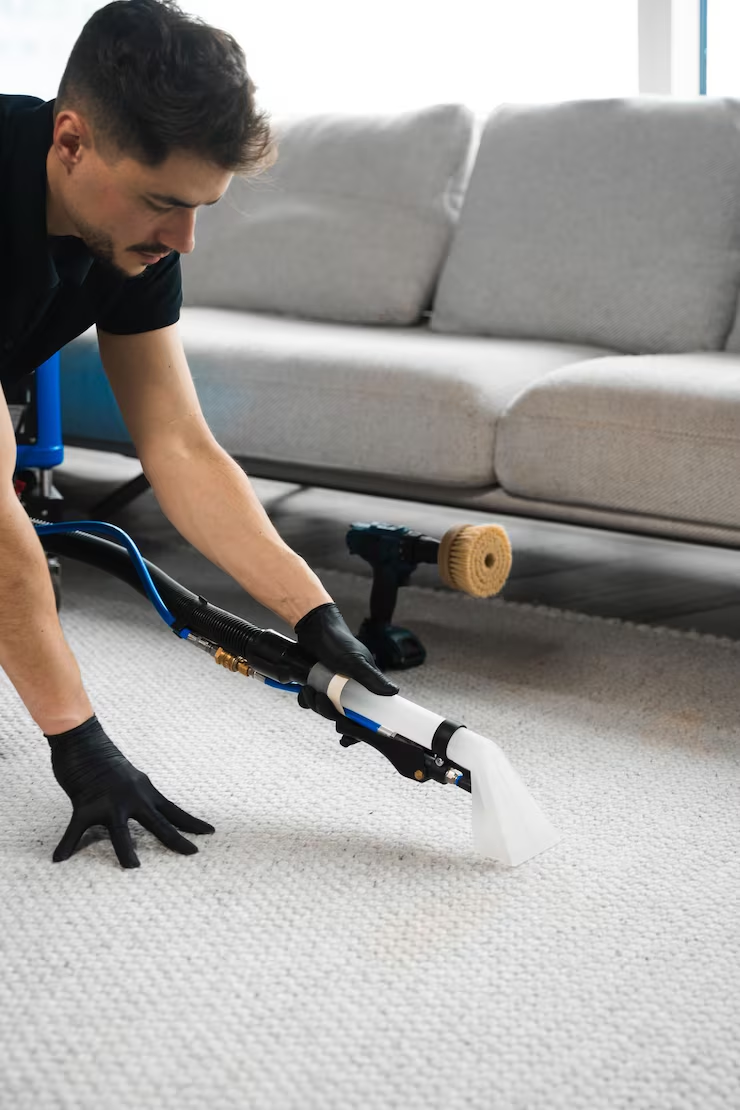
Professional rug dye testing follows a systematic approach that examines multiple aspects of color stability. The process begins with moisture testing on hidden areas, typically along the rug’s edges or in corners where any minor damage won’t be visible. Technicians apply small amounts of water to different colored sections and observe how the dyes react.
pH testing comes next, as the acidity or alkalinity of both the rug and cleaning solutions affects dye stability. Some dyes are pH-sensitive and will bleed in alkaline conditions but remain stable in neutral or slightly acidic environments. Understanding this chemistry allows professionals to select appropriate cleaning solutions.
The white cloth transfer test is perhaps the most revealing procedure. Technicians dampen a clean white cloth or cotton swab and gently rub it against each color in the rug. If dye transfers to the white cloth, that color is unstable and will likely bleed during washing. This simple test provides immediate visual confirmation of problem areas.
Fringe dye testing deserves special attention because fringes often absorb dye from the rug’s body during manufacturing. These fringes can release absorbed dye during cleaning, staining lighter areas of the rug even if the main colors are stable.
Multiple-color zone testing ensures comprehensive assessment, as stability can vary dramatically between different dyed sections. A rug might have perfectly stable blues and yellows but bleeding reds or greens. Each color must be tested individually to create an accurate risk profile.
What Happens If a Rug Fails the Colorfastness Test
When a rug shows unstable dyes during testing, professional cleaners don’t simply proceed with standard washing. Instead, they modify their approach to accommodate the rug’s vulnerabilities and minimize bleeding risk.
Cold-water washing becomes essential for rugs with unstable dyes, as heat accelerates dye migration. Lower temperatures keep dyes more stable and reduce the likelihood of color transfer.
Specialized dye stabilizers can be applied before washing to help lock loose dyes in place. These products work by chemically bonding with unstable dye molecules, creating stronger attachments to the fibers.
Controlled hand-cleaning replaces machine washing for extremely vulnerable rugs. This labor-intensive process allows technicians to work section by section, limiting water exposure and immediately addressing any bleeding that occurs. At Shabahang Rugs, we understand that some pieces are simply too valuable or fragile for conventional cleaning methods and require this meticulous hand-cleaning approach.
Why DIY Rug Cleaning Often Causes Color Damage
Homeowners attempting to clean their own rugs typically skip colorfastness testing entirely, either because they don’t know it’s necessary or don’t understand how to perform it properly. This lack of testing is the primary reason DIY cleaning so often results in disaster.
Hot water compounds the problem. Most people instinctively use hot water for cleaning, believing it works better than cold water. While this may be true for some surfaces, hot water is devastating for rugs with unstable dyes, causing rapid color bleeding that cold water might have prevented.
Incorrect cleaning solutions create additional risks. Grocery store carpet cleaners and household detergents often have high pH levels that destabilize natural dyes. These products weren’t formulated with handmade rugs in mind and can strip color from fibers.
Aggressive agitation, whether from scrubbing brushes or carpet cleaning machines, physically dislodges dye particles that moisture has loosened. The combination of wrong temperature, wrong chemistry, and wrong technique creates perfect conditions for color bleeding and permanent rug damage.
How Colorfastness Testing Fits Into the Professional Cleaning Process
Colorfastness testing isn’t an isolated procedure but rather an integral part of comprehensive pre-inspection that professional cleaners perform before beginning any work. During this inspection, technicians document the rug’s condition, identify problem areas, note fiber content, and assess dye stability.
Based on colorfastness test results, professionals develop a customized cleaning plan tailored to each rug’s specific needs. A rug with completely stable dyes might undergo standard immersion washing, while a piece with moderately unstable colors might receive cold-water treatment with dye stabilizers, and an extremely vulnerable antique might require careful hand-cleaning with minimal moisture.
This customized approach reduces risk and produces better results than one-size-fits-all cleaning methods. At Shabahang Rugs, we’ve built our reputation on understanding that every rug is unique and deserves individualized care based on scientific testing rather than guesswork.
Can Color Bleeding Be Repaired?
Unfortunately, once dye bleeding has occurred, correction options are extremely limited. Some minor bleeding can be reduced through specialized restoration techniques, but these processes are expensive, time-consuming, and rarely achieve perfect results.
Re-dyeing affected areas is possible but challenging, as matching original colors precisely is difficult, especially with antique rugs whose dyes have aged and mellowed over decades. The new dye will age differently than the original, potentially creating noticeable discrepancies over time.
This limited potential for correction makes prevention through proper colorfastness testing absolutely critical. The cost and difficulty of restoration emphasize why it’s always better to invest in professional cleaning from the start rather than attempting DIY methods that risk permanent damage.
Final Thoughts
Colorfastness testing is a critical safety step that separates professional rug cleaning from risky DIY methods. This essential procedure protects your investment, preserves your rug’s beauty, and ensures that cleaning enhances rather than damages your treasured textile. Understanding the science and methodology behind professional rug dye testing helps you make informed decisions about caring for your valuable rugs.
The difference between amateur and expert rug care often comes down to this single step. While anyone can rent a carpet cleaner or mix soap and water, only trained professionals know how to assess dye stability and adjust their methods accordingly. This expertise is what transforms cleaning from a gamble into a reliable service that enhances your rug’s appearance while protecting its integrity.
Frequently Asked Questions
Is colorfastness testing included in rug cleaning?
Yes, reputable professional rug cleaners always include colorfastness testing as part of their standard pre-inspection process. This testing should be performed at no additional charge, as it’s essential for determining the appropriate cleaning method. If a cleaning service doesn’t mention testing for dye stability, that’s a red flag suggesting they may not have adequate expertise in handling valuable handmade rugs.
Does testing damage the rug?
No, proper colorfastness testing causes no damage when performed correctly. Professionals test in hidden areas using minimal moisture and gentle pressure. The small amounts of water applied during testing evaporate quickly and leave no trace. The minor contact required for testing is infinitely safer than proceeding with full washing without knowing whether dyes are stable.
Can synthetic rugs bleed color?
While synthetic rugs are generally more colorfast than natural fiber rugs, they can still experience color bleeding under certain conditions. Lower-quality synthetic rugs, particularly those manufactured with poor quality control, may have inadequately set dyes. Additionally, some synthetic rugs use printing processes rather than dyed fibers, and these printed colors can sometimes transfer when exposed to moisture and cleaning solutions.
How long does colorfastness testing take?
Colorfastness testing typically takes 10 to 20 minutes, depending on the rug’s size and color complexity. A small rug with just a few colors can be tested quickly, while a large Persian rug with dozens of different color zones requires more time to ensure every dye is properly assessed. This testing time is part of the overall pre-inspection process and is well worth the investment to prevent potential damage.
Are natural dyes always unstable?
No, natural dyes are not always unstable, though they do require more careful handling than most synthetic dyes. Many traditional dyeing methods, when executed properly by skilled artisans, produce remarkably stable colors that withstand washing beautifully. However, natural dyes are more variable in their stability because they depend on factors like mordant quality, dyeing time, and fiber preparation. This variability is precisely why professional testing is so important—you cannot assume stability based solely on whether dyes are natural or synthetic.
Contact Shabahang Rugs for Expert Rug Cleaning
At Shabahang Rugs, we understand that your rugs represent significant investments in beauty, craftsmanship, and often family heritage. Our comprehensive cleaning process always begins with thorough colorfastness testing to ensure your rug’s colors remain vibrant and true. With decades of experience caring for Oriental, Persian, and handmade rugs, we combine traditional expertise with modern techniques to deliver results you can trust.
Whether you own an antique silk Persian rug, a contemporary wool piece, or anything in between, our team has the knowledge and equipment to clean it safely. We never use one-size-fits-all approaches. Instead, we customize our methods based on your rug’s specific characteristics, fiber content, dye types, and condition, ensuring it receives exactly the care it needs.
Don’t risk your valuable rugs with DIY cleaning or inexperienced services. Contact us Shabahang Rugs today to schedule a professional inspection and cleaning consultation.
Call Shabahang Rugs Today
Call now: (847) 256-5205
Address: 3207 Lake Avenue, Wilmette, IL 60091
Request a free Quote: Shabahang Rugs