
Few household mishaps cause as much panic as watching red wine, hot coffee, or brightly colored juice spill onto your beautiful rug. These common beverage stains can seem devastating, especially on light-colored or handmade rugs. However, with prompt action and the right techniques, rug stain removal becomes much easier, and many stains can be successfully removed without damaging delicate fibers. This comprehensive guide walks you through safe, effective methods for removing wine, coffee, and juice stains from various rug types while preserving their beauty and integrity.
Understanding Rug Stains — Why They Are Hard to Remove
Before attempting stain removal, it’s important to understand what makes these particular beverages so challenging to clean from rugs.
Tannins in wine and coffee: These natural compounds create deep, penetrating stains that bond quickly with natural fibers like wool and silk. Tannins are responsible for the dark brown and purple discoloration that makes wine and coffee spills particularly stubborn.
Sugar and dye in juice: Fruit juices contain both natural and artificial colorants alongside high sugar content. The sugar creates a sticky residue that attracts dirt, while the dyes can permanently tint light-colored fibers if not treated promptly.
How stains penetrate rug fibers: Liquid stains don’t just sit on the surface—they travel downward through the pile into the foundation. The deeper a stain penetrates, the harder it becomes to remove completely. This is why immediate action is crucial.
Why wool, silk, and handmade rugs are sensitive: Natural fibers are more absorbent than synthetics and can be damaged by harsh chemicals, excessive heat, or aggressive scrubbing. Handmade rugs often use natural dyes that may bleed or fade with improper treatment, requiring extra caution during stain removal.
First Steps — What to Do Immediately After a Spill
Your immediate response to a spill can mean the difference between successful stain removal and permanent discoloration. Follow these critical first steps regardless of the beverage type.
Blot, Don’t Rub
The golden rule of stain removal is to blot gently rather than rub or scrub. Use clean white paper towels, white cloth towels, or plain white absorbent cloths to soak up as much liquid as possible. Press firmly but avoid circular motions or aggressive scrubbing, which can spread the stain, damage fibers, and work the liquid deeper into the rug’s foundation.
Start from the outer edges of the spill and work toward the center to prevent the stain from expanding. Continue blotting with fresh sections of your cloth until no more liquid transfers.
Keep the Area Moist but Not Soaked
Once you’ve absorbed the excess liquid, keeping the stained area slightly damp prevents the stain from setting while you prepare your cleaning solution. However, avoid over-saturating the area, as excessive moisture can damage the rug’s foundation and backing, potentially causing mold growth or structural issues.
How to Remove Wine Stains Safely
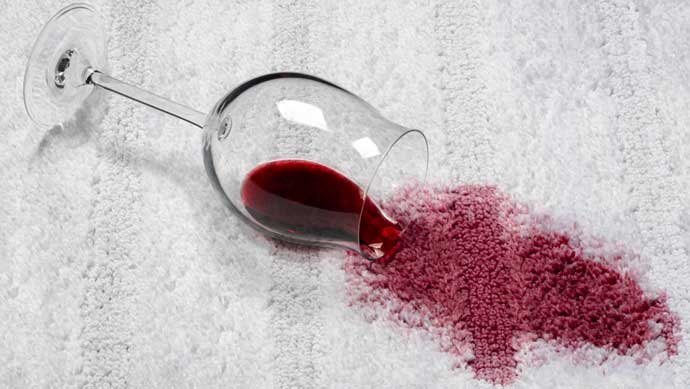
Wine stains, particularly from red wine, are among the most dreaded spills on rugs. The tannins and anthocyanins in red wine create vibrant purple-red stains that bond quickly with fibers.
Fresh Wine Stains
Immediate blotting: As soon as wine spills, blot thoroughly using white cloths or paper towels. Continue until minimal liquid transfers to your cloth.
Mild detergent and cold water: Mix one teaspoon of pH-neutral liquid dish soap with two cups of cold water. Never use hot water, as heat sets tannin stains permanently. Dip a clean white cloth into the solution, wring it out so it’s damp but not dripping, and gently blot the stained area. Work from the outside edges inward.
White vinegar solution: If the stain persists, create a solution of one part white vinegar to two parts water. Apply the same blotting technique, then follow with plain cold water to rinse. The acidity helps break down tannins without harming most rug fibers.
Dried Wine Stains
Baking soda paste: For dried wine stains, create a paste using three parts baking soda to one part water. Apply this paste directly to the stain and let it sit for 30 minutes to an hour. The baking soda will absorb the stain as it dries. Vacuum thoroughly, then follow with the mild detergent method described above.
Enzyme cleaner: For synthetic rugs only, enzyme-based cleaners can break down organic compounds in wine stains. Never use enzyme cleaners on wool, silk, or handmade rugs without professional guidance, as they can damage natural fibers and dyes.
What NOT to Use
Bleach: Never apply bleach or chlorine-based cleaners to any rug. These chemicals strip color from fibers and can cause permanent discoloration and damage, especially to wool and natural dyes.
Hot water: Heat permanently sets tannin stains, making them impossible to remove. Always use cold or lukewarm water for wine stain removal.
How to Remove Coffee Stains from Rugs
Coffee creates brown, tannin-based stains similar to tea and can leave both discoloration and odor if not properly treated.
Fresh Coffee Spills
Blot immediately: Remove as much coffee as possible with white absorbent cloths, working quickly before the liquid penetrates deeply.
Mild dish soap and warm water: Unlike wine, coffee can be treated with slightly warm (not hot) water. Mix one tablespoon of liquid dish soap with two cups of lukewarm water. Apply with a damp cloth using gentle blotting motions, alternating with plain water rinses.
Vinegar for neutralizing odor: Coffee can leave a lingering smell even after the visible stain is removed. A solution of equal parts white vinegar and water helps neutralize odors. Apply sparingly, blot thoroughly, and rinse with plain water.
Old Coffee Stains
Glycerin: For dried coffee stains, glycerin can help rehydrate and loosen the stain. Apply a small amount of vegetable glycerin (available at pharmacies) directly to the stain, let it sit for 30 minutes, then treat with the mild detergent solution.
Oxidizing agents: For synthetic rugs only, oxygen-based stain removers (like OxiClean) can effectively lift old coffee stains. These products are too harsh for wool, silk, or handmade rugs and should be avoided on natural fibers.
Safe Techniques for Wool or Handmade Rugs
pH-balanced solutions: Wool is sensitive to pH extremes. Use only pH-neutral or slightly acidic cleaning solutions. Shabahang Rugs recommends professional cleaning for valuable wool and handmade rugs with set-in coffee stains, as improper home treatment can cause irreversible damage.
Cold water only: When in doubt, use cold water rather than warm for delicate rugs. Cold water is gentler on natural dyes and fibers.
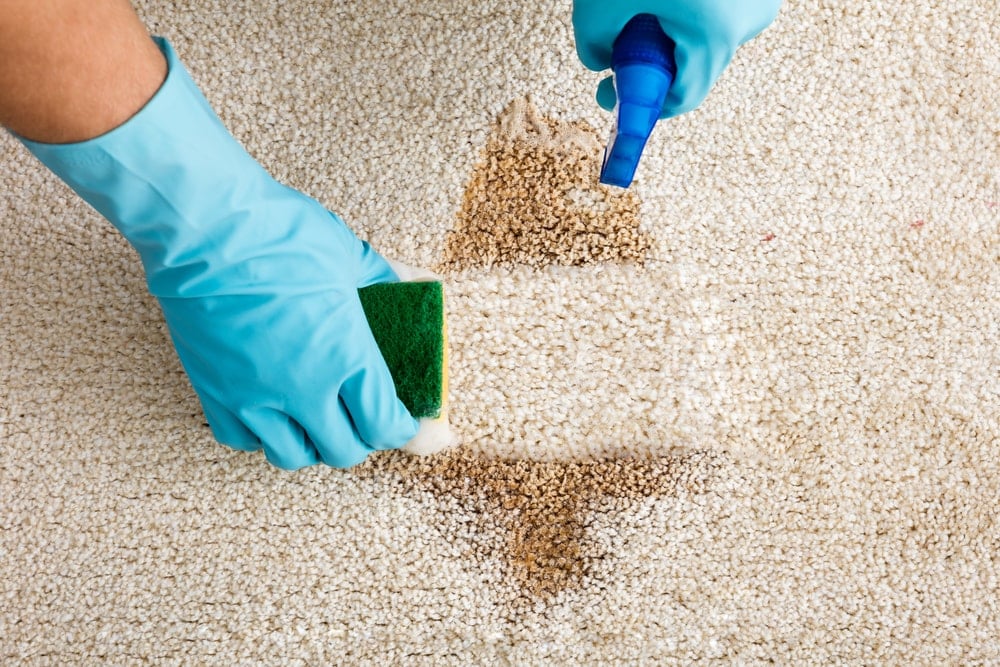
How to Remove Juice Stains Safely
Fruit juice presents a dual challenge: the natural or artificial dyes that create bright colors, and the high sugar content that leaves sticky residues.
Addressing Sugar and Dye
Cold water flush: Begin by flushing the stained area with cold water to dilute both the sugar and dye. Blot frequently to absorb the liquid rather than letting it pool.
Gentle detergent: Mix one teaspoon of mild, pH-neutral dish soap with two cups of cold water. Apply with a damp cloth, blotting gently. The detergent breaks down the sugar while lifting the dye from fibers.
Removing Colored Juice Stains
Hydrogen peroxide: For synthetic rugs only, a 3% hydrogen peroxide solution can help lift stubborn colored juice stains. Test in an inconspicuous area first, as hydrogen peroxide can bleach some materials. Apply with a cotton swab or cloth, let it sit for a few minutes, then blot and rinse thoroughly.
Professional cleaning for wool and silk: Bright juice stains on natural fiber rugs, especially light-colored wool or silk, often require professional treatment. The dyes in cranberry, grape, cherry, and berry juices can permanently stain wool if treated incorrectly. Professional cleaners have access to specialized solutions and techniques that safely remove these challenging stains without damaging valuable rugs.
Stain Removal for Different Rug Types
Not all rugs can withstand the same cleaning methods. Understanding your rug’s material is essential for safe stain removal.
Wool Rugs
Avoid strong detergents: Wool is a protein fiber that can be damaged by alkaline cleaners. Stick to pH-neutral or slightly acidic solutions.
Never soak completely: Wool should never be saturated with water during home cleaning. Excessive moisture can cause shrinkage, distortion, and mildew growth. Use damp cloths rather than pouring solutions directly onto the rug.
Handmade and Persian Rugs
No harsh chemicals: The natural dyes used in many handmade and Persian rugs are sensitive to chemical treatments. What works safely on synthetic rugs can cause dye bleeding or fading in handmade pieces.
Professional cleaning recommended for dark stains: When wine, coffee, or juice stains set into handmade rugs, professional cleaning becomes essential. Shabahang Rugs specializes in the careful treatment of Persian, Oriental, and handmade rugs, using techniques that respect the integrity of natural dyes and fibers.
Synthetic Rugs
More lenient cleaning options: Synthetic fibers like polypropylene, nylon, and polyester can generally tolerate stronger cleaning solutions, warmer water, and more aggressive treatment than natural fibers. However, always test any cleaning solution in an inconspicuous area first to ensure it doesn’t affect the rug’s color or texture.
When DIY Isn’t Enough
Despite your best efforts, some stains require professional intervention. Recognizing when to call experts prevents further damage and increases the likelihood of complete stain removal.
Stains older than 24–48 hours: Once stains have had time to set and dry completely, they bond more strongly with fibers. The longer a stain remains, the more difficult it becomes to remove without professional equipment and solutions.
Repeating stains: If a stain appears to be removed but returns as the area dries, the contamination has penetrated to the rug’s foundation. This requires deep cleaning that home methods cannot achieve.
Smells that return after drying: Persistent odors indicate that organic compounds remain deep within the rug’s structure, requiring thorough washing and extraction.
Stains spreading deeper into foundation: When you notice that the stain has seeped through to the backing or that the area feels crunchy or stiff after drying, the foundation has been affected and needs professional attention.
How Professionals Remove Wine, Coffee & Juice Stains
Professional rug cleaners employ advanced techniques and equipment unavailable to homeowners, making them far more effective at removing stubborn beverage stains.
Dusting: Before washing, professionals use specialized equipment to remove dry soil and dust embedded deep in the pile. This prevents dirt from turning into mud during the washing process.
Controlled washing: Professional facilities use immersion washing in temperature-controlled water with pH-appropriate solutions. This thorough approach flushes stains from deep within the rug’s structure, something surface cleaning cannot achieve.
Fiber-specific treatments: Experts select treatments based on fiber content, dye type, and stain composition. What works for synthetic fibers may damage wool or silk, and professionals have the knowledge to make these distinctions.
Spot-dye correction: In cases where stains have caused permanent discoloration, skilled technicians can sometimes perform spot-dyeing to restore color uniformity. This delicate process requires extensive experience and is only available through professional services.
Shabahang Rugs uses generations of expertise in handling fine rugs to safely remove even the most challenging stains while preserving the beauty and value of your investment.
Final Tips for Preventing Future Stains
Prevention is always easier than cure when it comes to rug maintenance.
Rug protectors: Consider applying fabric protector treatments designed for rugs, which create an invisible barrier that repels liquids and gives you extra time to respond to spills.
Immediate blotting: Keep white cloths or paper towels accessible in rooms with valuable rugs so you can respond instantly to any spill.
Avoiding colored drinks near light rugs: Place dark-colored or patterned rugs in areas where beverages are frequently consumed, reserving light-colored rugs for lower-risk spaces.
Annual professional cleaning: Regular professional cleaning removes accumulated soil that makes stains harder to remove and keeps your rugs looking their best. This proactive maintenance extends the life of your rugs and prevents minor issues from becoming major problems.
Frequently Asked Questions
Can I use hydrogen peroxide on wool rugs?
No, hydrogen peroxide should not be used on wool rugs. While it’s effective on synthetic fibers, it can bleach wool and damage natural dyes commonly found in handmade and Persian rugs. Stick to pH-neutral solutions or consult a professional cleaner.
Is vinegar safe for Persian rugs?
White vinegar diluted with water (1:2 ratio) is generally safe for Persian rugs in small amounts for spot cleaning. However, always test in an inconspicuous area first and never soak the rug. For valuable Persian rugs, professional cleaning is recommended.
How long before a stain becomes permanent?
This varies by stain type and rug material, but generally, tannin stains from wine and coffee begin setting within minutes and become significantly harder to remove after 24–48 hours. Juice stains can set even faster due to their dye content. Immediate treatment provides the best chance of complete removal.
Can professional cleaning fix rug discoloration?
Professional cleaners can often remove discoloration caused by stains, though success depends on how long the stain has been present and whether the dye has permanently bonded with fibers. In cases of permanent discoloration, skilled technicians may be able to perform color correction through spot-dyeing.
How do I prevent tannin stains from setting?
The key to preventing tannin stains from setting is immediate action and avoiding heat. Blot thoroughly, treat with cold water and mild detergent, and never apply hot water or heat to the area. If the stain persists after initial treatment, seek professional help rather than using increasingly aggressive home methods.
Contact Shabahang Rugs for Expert Stain Removal
If your rug has stubborn wine, coffee, or juice stains that won’t respond to home treatment, don’t risk further damage with aggressive DIY methods. Shabahang Rugs offers safe, fiber-friendly cleaning services specifically designed for wool, Persian, Oriental, and handmade rugs. Our expert team understands the unique characteristics of fine rugs and uses proven techniques to remove stains while preserving the integrity of delicate fibers and natural dyes.
Whether you’re dealing with a fresh spill or a set-in stain, professional cleaning can often achieve results that seem impossible at home. Contact us to Shabahang Rugs today to discuss your rug’s specific needs and discover how our specialized cleaning services can restore your rug’s beauty safely and effectively. Don’t let beverage stains diminish the value and appearance of your treasured rugs—trust the expertise that comes from decades of caring for the world’s finest handmade rugs.
Request a Free Quote: Shabahang Rugs
Call Us: (847) 256-5205
Visit: 3207 Lake Avenue, Wilmette, IL