
When it comes to maintaining your valuable floor coverings, understanding that different rug cleaning methods are essential can save you from costly mistakes. Many homeowners assume that all rugs can be treated like wall-to-wall carpeting, but this approach often leads to irreversible damage. Each rug is unique in its construction, materials, and care requirements, making a customized cleaning approach not just recommended—it’s necessary.
Rugs Are Made Differently – And Cleaning Must Match
The fundamental reason why rugs cannot all be cleaned the same way lies in their diverse construction. Unlike standardized carpeting, rugs vary dramatically in their fiber content, weaving techniques, dye applications, and overall condition. A cleaning method that works beautifully for one rug might completely ruin another.
Fiber differences determine how a rug responds to water, cleaning agents, and mechanical agitation. Some fibers absorb moisture readily while others repel it. Construction methods—whether hand-knotted, hand-tufted, or machine-made—affect the rug’s structural integrity during the cleaning process. Dye types range from stable synthetic colors to delicate natural plant dyes that can bleed or fade with improper treatment. Finally, the age and condition of a rug influence how aggressively it can be cleaned without causing harm.
Fiber Type Plays a Major Role
The fiber composition of your rug is perhaps the most critical factor in determining the appropriate cleaning method.
Wool rugs are naturally resilient and soil-resistant, but they require pH-balanced cleaning solutions and careful moisture control. Wool can felt or shrink if exposed to hot water or excessive agitation. Professional cleaning with controlled water temperature and proper drying techniques preserves wool’s natural lanolin and texture.
Silk rugs represent the most delicate category, demanding gentle handling and specialized techniques. Silk fibers lose strength when wet and can become distorted or permanently damaged by harsh chemicals or vigorous scrubbing. These luxury pieces often require dry cleaning methods or very low-moisture techniques performed by experienced specialists.
Cotton rugs are more durable and can typically handle deeper cleaning, but they’re prone to shrinkage if not properly dried. Cotton foundations in handmade rugs can weaken with age, requiring careful evaluation before immersion cleaning.
Synthetic rugs made from polypropylene, polyester, or nylon are generally the most forgiving, tolerating higher heat and more aggressive cleaning. However, even synthetic rugs can suffer from color bleeding or backing deterioration if cleaned improperly.
Handmade vs Machine-Made Rugs
The construction method fundamentally changes how a rug should be cleaned. Handmade rugs—whether hand-knotted, hand-tufted, or flat-woven—are created knot by knot or stitch by stitch, often taking months or years to complete. These rugs typically have an open foundation without rigid backing, allowing them to be fully immersed and cleaned on both sides when necessary.
Machine-made rugs are produced quickly on power looms and usually feature latex or synthetic backing glued to the pile. This backing can deteriorate, crack, or separate when exposed to excessive moisture or heat. The cleaning approach must account for these structural vulnerabilities to prevent delamination.
At Shabahang Rugs, experts understand these crucial distinctions and adjust their cleaning protocols accordingly, ensuring that each rug receives treatment appropriate to its construction.
Dye Stability & Color Bleeding Risks
One of the most devastating cleaning mistakes occurs when unstable dyes aren’t identified before wet cleaning. Natural dyes derived from plants, insects, and minerals—common in antique and traditional rugs—can be fugitive, meaning they may bleed or transfer when exposed to water.
Colorfastness testing is an essential first step in any professional rug cleaning process. Technicians apply a small amount of cleaning solution to inconspicuous areas and check for color transfer. This simple test prevents catastrophic color runs that can permanently ruin a rug’s appearance.
Modern synthetic dyes are generally more stable, but even these can bleed if the rug was poorly manufactured or if the dyes weren’t properly set during production. Water temperature and pH levels also affect dye stability, which is why controlled conditions are critical.
Level of Soiling & Contamination
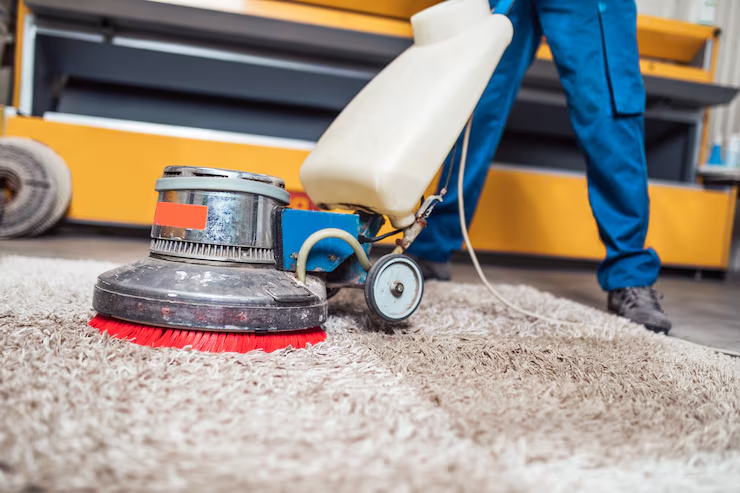
The type and extent of soiling dramatically influence the cleaning method required. Surface dust and dry soil can often be removed through dusting and vacuuming, while embedded dirt that has worked deep into the pile requires more intensive treatment.
Pet urine presents special challenges because it contains uric acid crystals that bond with fibers and can’t be removed with surface cleaning alone. Professional treatment may require submersion cleaning, enzymatic treatments, or specialized deodorization processes.
Rugs affected by smoke, fire, or water damage need restoration-level cleaning that addresses not just visible soiling but also odors and potential structural damage. Mold risks emerge when rugs remain damp, making proper drying techniques absolutely essential.
Why Steam Cleaning Isn’t Safe for Every Rug
Many homeowners mistakenly believe that steam cleaning—effective for wall-to-wall carpeting—is appropriate for area rugs. This assumption causes extensive damage every year.
Heat damage is a primary concern, especially for wool and silk fibers. The high temperatures used in steam cleaning can cause wool to felt and shrink while weakening silk fibers permanently. Moisture retention becomes problematic because rugs, unlike installed carpet, have limited airflow underneath. This trapped moisture creates perfect conditions for mold growth, odors, and dry rot in cotton foundations.
Shrinkage and warping occur when rugs aren’t properly controlled during drying. Handmade rugs can become distorted, losing their rectangular shape and developing waves or ripples that may never fully flatten.
How Professionals Decide the Right Cleaning Method
Professional rug cleaners like those at Shabahang Rugs follow a systematic evaluation process before determining the appropriate cleaning method.
Pre-inspection involves examining the rug’s construction, identifying the fiber content, checking for existing damage, and assessing the foundation’s condition. Technicians document the rug’s current state and identify any areas of concern.
Dye testing is performed on all colors to determine colorfastness. This crucial step prevents color bleeding disasters and helps technicians select compatible cleaning solutions.
Based on these findings, a customized cleaning plan is developed that matches the cleaning method to the rug’s specific characteristics. Options might include immersion washing, low-moisture cleaning, dry cleaning, or specialized treatments for particular concerns.
Damage Caused by Using the Wrong Method
The consequences of inappropriate cleaning methods can be severe and often irreversible.
Fiber weakening occurs when harsh chemicals or excessive mechanical action break down the rug’s structure. This damage may not be immediately apparent but will shorten the rug’s lifespan significantly.
Color loss happens through dye bleeding, fading from harsh chemicals, or color transfer between areas of the rug. Once colors are lost or muddied, restoration is rarely possible.
Odors that won’t go away result from inadequate rinsing, moisture trapped in the foundation, or contamination that wasn’t properly treated. These persistent smells can make a rug unusable despite appearing clean.
Reduced rug lifespan is the cumulative effect of repeated improper cleaning. Each mistake weakens fibers, degrades dyes, and damages the foundation, ultimately destroying what could have been a multi-generational heirloom.
When DIY Cleaning Is Risky
While spot cleaning and regular vacuuming are appropriate for homeowners, deep cleaning attempts often create problems that exceed the original issue.
Over-wetting is the most common DIY mistake. Without professional equipment to extract moisture thoroughly, rugs remain damp for extended periods, leading to mold, mildew, and foundation damage.
Wrong chemicals can cause color bleeding, fiber damage, or leave residues that actually attract more dirt. Products designed for synthetic carpeting may be far too harsh for natural fibers.
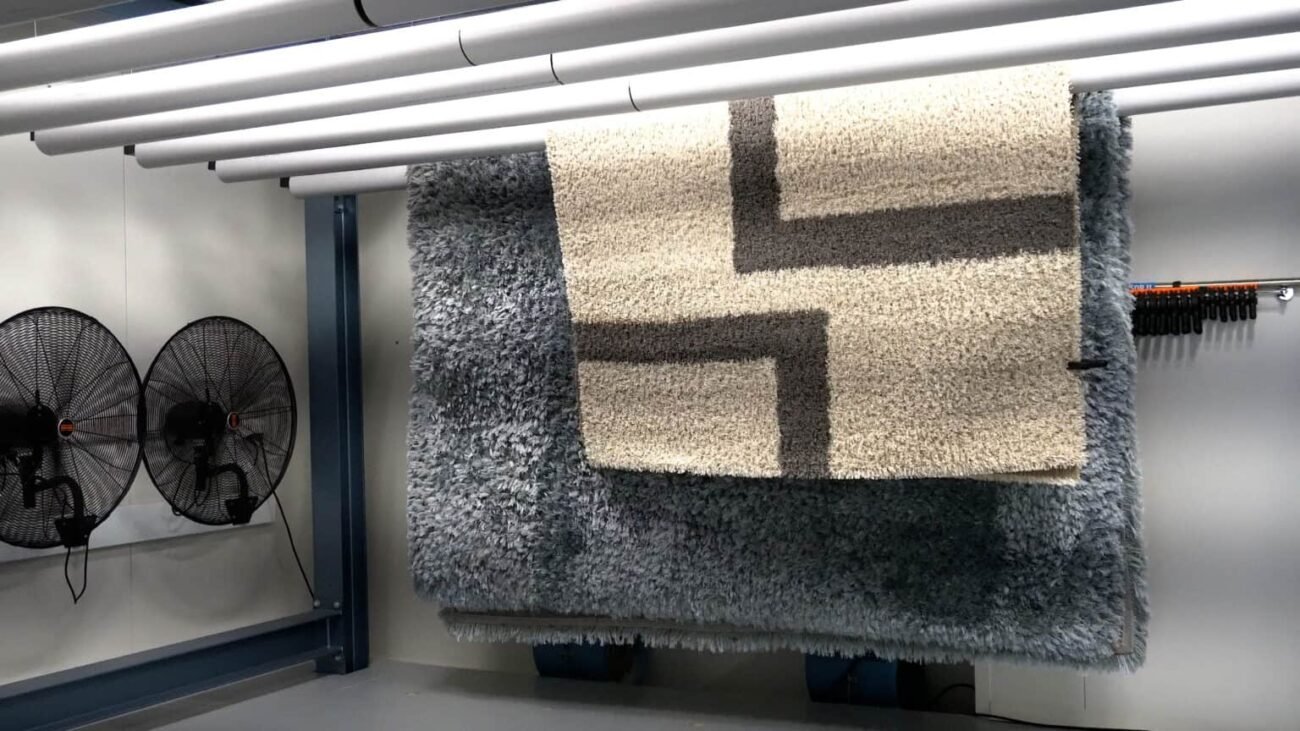
Inadequate drying allows moisture to penetrate deep into the rug’s core where it causes rot, odor, and mold growth. Professional facilities use climate-controlled drying rooms that homeowners cannot replicate.
Final Thoughts
Proper rug cleaning isn’t about speed—it’s about matching the right method to the right rug. The investment you’ve made in quality floor coverings deserves protection through knowledgeable care. Understanding why different rugs require different approaches helps you make informed decisions about maintenance and professional services.
Whether you own a contemporary machine-made rug or a priceless antique Persian carpet, recognizing that one-size-fits-all cleaning doesn’t exist is the first step toward preserving your investment for years to come.
FAQs
Can synthetic rugs be cleaned like carpet?
While synthetic rugs are more durable than natural fiber rugs, they shouldn’t automatically be treated like wall-to-wall carpet. Many synthetic rugs have latex or glue backing that can deteriorate with excessive moisture or heat from steam cleaning equipment. Professional evaluation ensures the cleaning method matches the specific construction.
Why do wool rugs need special care?
Wool is a protein fiber that responds to pH levels, temperature, and moisture. Alkaline cleaners can damage wool, while hot water can cause felting and shrinkage. Wool also requires controlled drying to prevent distortion. These characteristics make professional cleaning with pH-balanced solutions and proper moisture control essential for preserving wool rugs.
Are eco-friendly cleaners safe for all rugs?
Eco-friendly doesn’t automatically mean safe for all rug types. The chemical composition, pH level, and application method matter more than environmental claims. Some natural cleaning agents can be too acidic or alkaline for certain fibers or dyes. Professional rug cleaners select products based on compatibility with specific rug characteristics, whether eco-friendly or conventional.
How often should different rugs be cleaned?
Cleaning frequency depends on traffic levels, placement, and fiber type. High-traffic rugs may need professional cleaning annually, while rugs in low-traffic areas might go 2-3 years between cleanings. Wool rugs naturally resist soiling and may need less frequent cleaning than synthetic options. Regular vacuuming extends the time between professional cleanings for all rug types.
Should rugs always be professionally inspected first?
Yes, professional inspection before cleaning is crucial, especially for valuable, antique, or handmade rugs. Inspections identify hidden damage, dye stability issues, and structural concerns that affect cleaning method selection. This evaluation prevents damage and ensures the cleaning approach matches the rug’s specific needs and condition.
Contact Shabahang Rugs for Expert Rug Care
When your valuable rugs need professional attention, trust the specialists who understand that each piece requires individualized care. Shabahang Rugs combines decades of expertise with proven cleaning techniques tailored to your rug’s specific needs. Their trained technicians perform comprehensive inspections, dye testing, and customized cleaning protocols that protect your investment while delivering exceptional results. Don’t risk damage from improper cleaning methods—Contact us at Shabahang Rugs today to schedule a professional evaluation and discover why expertise matters when caring for your treasured floor coverings.
Call Shabahang Rugs Today
Call now: (847) 256-5205
Address: 3207 Lake Avenue, Wilmette, IL 60091
Request a free Quote: Shabahang Rugs