
Renovation projects transform living spaces, but they also leave behind a challenging aftermath: fine construction dust that settles deep into rug fibers. Unlike ordinary household dust, renovation debris contains abrasive particles that can damage your rugs if not properly addressed. Removing Dust from Rugs after construction requires special care, as improper cleaning methods can grind debris deeper into the fibers. Understanding how to safely handle Removing Dust from Rugs is essential for preserving both the beauty and longevity of your investment pieces.
Why Construction Dust Is Especially Harmful to Rugs
Construction dust differs significantly from everyday household dust in both composition and impact. The fine, abrasive particles generated during renovation work are smaller and sharper than typical dust, allowing them to penetrate deep into rug fibers where they cause ongoing damage.
Cement, drywall and silica dust are particularly problematic. These materials create microscopic particles that settle between individual fibers, acting like sandpaper every time someone walks across the rug. The dust particles don’t simply sit on the surface—they work their way down to the foundation, where standard cleaning methods struggle to reach them.
Deep fiber penetration occurs because construction dust is electrostatically charged and clingy. Once embedded, these particles bond to natural fibers like wool and silk, making removal more complex than simply shaking or vacuuming. This infiltration creates a gritty texture that dulls colors and accelerates wear patterns.
Common Types of Construction Debris Found in Rugs
Different renovation activities generate distinct types of debris, each presenting unique challenges for rug cleaning.
Cement and concrete dust contains alkaline compounds that can alter the pH balance of natural fibers, potentially causing discoloration and brittleness over time. This fine gray powder penetrates deeply and resists conventional cleaning attempts.
Drywall particles, composed primarily of gypsum, create a chalky residue that clouds rug colors and leaves a persistent dusty film. When combined with moisture, drywall dust can form a paste-like substance that bonds to fibers.
Sawdust and wood fibers from carpentry work may seem harmless, but they can absorb moisture and harbor mold growth if left embedded in rugs. Wood particles also carry natural oils that can leave stains.
Paint and grout residue often contains chemical compounds that require specialized removal techniques. Dried paint flecks become embedded between fibers, while grout dust shares many of the abrasive qualities of cement.
How Renovation Dust Damages Rug Fibers
The damage from construction dust extends far beyond cosmetic concerns. Abrasive wear occurs continuously as the sharp-edged particles grind against fibers during normal foot traffic. This mechanical action breaks down the protective outer layer of wool and silk fibers, leaving them vulnerable to further deterioration.
Fiber breakdown accelerates when dust particles create friction points that cause individual fibers to split and fray. What begins as minor surface damage progressively weakens the entire rug structure, particularly in high-traffic areas where the grinding action intensifies.
Color dullness results from dust particles coating each fiber, creating a film that blocks light reflection. The vibrant hues that make handmade rugs so appealing become muted and lifeless under layers of construction debris.
Premature aging happens when the combination of abrasion, chemical exposure and embedded particles compresses years of normal wear into just months. Rugs that should remain beautiful for generations can show significant deterioration after a single renovation project if not properly cleaned.
Why Vacuuming Alone Is Not Enough
Many homeowners assume that thorough vacuuming will remove construction dust, but this approach has significant limitations. Microscopic particles remain embedded deep within the pile where vacuum suction cannot reach. Standard household vacuums are designed for surface-level cleaning, not for extracting fine particles lodged at the base of fibers.
There’s also a risk of pushing dust deeper into the rug foundation. Aggressive vacuuming with beater bars can actually drive construction debris further down between fibers, making professional extraction more difficult later.
Filter limitations in residential vacuum cleaners mean that the finest dust particles simply recirculate back into your indoor air. HEPA filtration helps, but it cannot compensate for the vacuum’s inability to reach embedded debris in the first place.
Safe Steps Homeowners Can Take Immediately
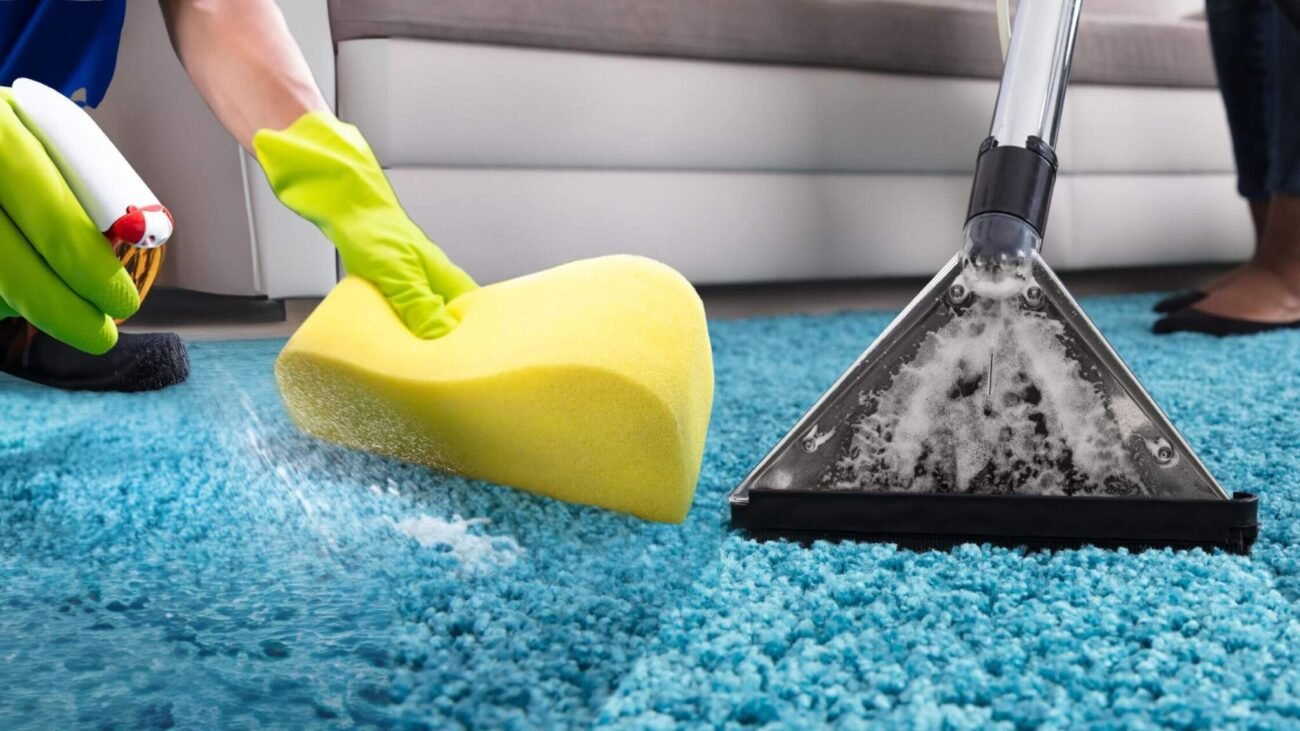
While professional cleaning remains the most effective solution, homeowners can take preliminary steps to minimize damage before scheduling expert care.
Shaking and airing rugs outdoors helps remove loose surface debris. Take smaller rugs outside and shake them vigorously over a hard surface where you can see the dust clouds they release. For larger rugs, draping them over a clothesline or railing and beating them gently with a rug beater releases trapped particles.
Gentle vacuuming techniques focus on multiple passes with the suction-only setting rather than aggressive beater bar action. Work slowly across the rug in different directions, allowing the vacuum time to draw out loose particles without damaging fibers.
Avoiding moisture before dust removal is critical. Never attempt to clean construction dust with water or steam before dry-removing as much debris as possible. Moisture causes cement and drywall dust to form a muddy paste that bonds permanently to fibers.
How Professional Rug Cleaning Removes Construction Dust
Professional rug cleaners at facilities like Shabahang Rugs employ specialized equipment and techniques designed specifically for post-renovation cleaning.
Mechanical dusting equipment uses compressed air and vibration to dislodge embedded particles that vacuuming cannot reach. Industrial-grade dusters shake rugs while powerful suction systems capture the released debris, often removing pounds of dust from a single rug.
Controlled washing processes begin only after thorough dry-dusting. Professionals use pH-balanced solutions formulated for the specific fiber content and dye types in your rug, ensuring that construction chemicals are neutralized and removed without causing additional damage.
Thorough rinsing continues until water runs completely clear, confirming that all abrasive particles and chemical residues have been flushed from the rug. This step is crucial for removing microscopic particles that would otherwise remain embedded.
Residue-free drying in climate-controlled environments prevents mold growth and ensures that no cleaning agents remain in the fibers. Professional facilities circulate air around the entire rug, allowing it to dry evenly without developing musty odors or water stains.
Special Considerations for Handmade & Natural Fiber Rugs
Handmade rugs require extra care when removing construction dust because of their delicate construction and natural materials.
Wool and silk sensitivity means these fibers can be damaged by harsh agitation or chemical cleaners. Construction dust containing alkaline compounds can alter the structure of protein-based fibers, requiring gentle neutralization and conditioning treatments.
Natural dyes used in many tribal and village rugs can bleed or fade if exposed to certain cleaning methods. Professional cleaners test for colorfastness before proceeding with dust removal, protecting the rug’s original artistry.
Fringe protection becomes especially important during post-renovation cleaning. Construction debris often accumulates heavily in fringe areas, requiring careful attention to remove particles without tangling or breaking the delicate cotton or wool threads.
Health Risks of Leaving Construction Dust in Rugs
Beyond rug preservation, removing construction dust addresses significant health concerns for your household.
Respiratory irritation occurs when fine particles become airborne during normal activities like walking across dusty rugs. Silica dust, in particular, poses serious health risks when inhaled regularly, even in small quantities.
Allergy flare-ups intensify when construction debris combines with household allergens. The particles create additional irritation for people sensitive to dust, causing persistent coughing, sneezing and congestion.
Indoor air pollution worsens dramatically when rugs serve as reservoirs for construction particles. Every footstep releases a small cloud of potentially harmful dust into the breathing zone, affecting everyone in the home, especially children and pets who spend time near floor level.
When to Call Professional Rug Cleaners
Certain signs indicate that professional intervention is necessary for safe and effective dust removal.
Visible dust clouds when moving rugs demonstrate that a significant amount of debris remains embedded. If you can see or smell dust when handling the rug, professional cleaning is overdue.
Persistent gritty texture underfoot means that particles have penetrated deep into the pile and foundation. This grinding sensation indicates ongoing fiber damage that requires immediate attention.
Odors after renovation often result from construction materials trapped in rug fibers. Cement, paint and chemical odors won’t dissipate on their own and require professional extraction.
High-value or antique rugs should never be subjected to DIY cleaning attempts after construction exposure. The risk of permanent damage far outweighs any cost savings, making professional care essential for preserving these investments.
Long-Term Benefits of Post-Renovation Rug Cleaning
Investing in professional cleaning after construction delivers advantages that extend for years.
Restored softness and color bring your rugs back to their original beauty. Removing abrasive particles allows light to reflect properly off clean fibers, revealing the true depth and vibrancy of colors that dust had obscured.
A healthier indoor environment results from eliminating respiratory irritants and allergens. Clean rugs contribute to better air quality, reducing health complaints and creating a more comfortable living space.
Extended rug lifespan is perhaps the most valuable benefit. By removing damaging particles before they cause irreversible wear, professional cleaning adds years—even decades—to the functional life of quality handmade rugs.
Frequently Asked Questions
Can construction dust permanently damage rugs?
Yes, if left untreated, construction dust causes permanent damage through fiber abrasion, chemical degradation and color loss. The sharp particles act like sandpaper, progressively breaking down fibers with each footstep. Early professional intervention can prevent irreversible harm.
How soon after renovation should rugs be cleaned?
Schedule professional cleaning as soon as construction is complete and final cleanup has removed loose debris. The longer dust remains embedded, the more damage it causes and the harder it becomes to remove completely.
Is professional cleaning safe after heavy dust exposure?
Professional cleaning is not only safe but essential after heavy construction dust exposure. Reputable facilities use specialized techniques designed specifically for post-renovation situations, with protocols that protect rug fibers while thoroughly removing all debris.
Are eco-friendly cleaners effective for construction dust?
Modern eco-friendly cleaning solutions are highly effective for construction dust removal when used by trained professionals. These products safely neutralize alkaline compounds and remove particles without introducing harsh chemicals that could harm natural fibers.
Should rugs be cleaned before or after furniture placement?
Clean rugs before placing furniture on them. This prevents grinding construction dust into permanent traffic patterns and allows complete access for thorough cleaning. Once cleaned and dried, rugs provide a fresh foundation for your newly renovated space.
Shabahang Rugs for Expert Post-Renovation Rug Care
When construction dust threatens your valuable rugs, trust the expertise of Shabahang Rugs for comprehensive cleaning and restoration. Our specialized equipment and decades of experience with handmade rugs ensure that every trace of construction debris is safely removed while preserving the integrity, colors and softness of your treasured pieces. We understand the unique challenges that renovation dust presents and employ targeted techniques that standard cleaning services cannot match. Don’t let construction dust compromise your investment—Contact us at Shabahang Rugs today to schedule professional post-renovation rug cleaning and protect your rugs for generations to come.
Contact Shabahang Rugs:
Call now: (847) 256-5205
Address: 3207 Lake Avenue, Wilmette, IL 60091
Request a free Quote: Shabahang Rugs