
When your beautiful area rug starts looking dull or develops stubborn stains, you face a critical decision: tackle the cleaning yourself or call in the professionals. Professional Rug Cleaning vs DIY is an important choice—it isn’t just about convenience or cost; it can mean the difference between restoring your rug’s beauty and causing irreversible damage. Understanding the strengths and limitations of both DIY rug cleaning and professional cleaning services will help you make the right decision for your specific rug type and situation.
Why Rug Cleaning Matters More Than You Think
Regular rug maintenance goes far beyond aesthetics. Over time, rugs accumulate dirt, dust, allergens, pet dander, and bacteria that settle deep within the fibers. What appears as surface-level dust is often just the tip of the iceberg—pounds of embedded grit can lurk beneath, acting like sandpaper against delicate fibers with every footstep.
This hidden dirt buildup accelerates wear and tear, shortening your rug’s lifespan significantly. For handmade rugs, wool rugs, and Persian rugs, the stakes are even higher. These premium pieces feature natural fibers that are sensitive to moisture, harsh chemicals, and improper cleaning techniques. A single cleaning mistake can lead to color bleeding, fiber distortion, or permanent staining—damage that cannot be undone.
Proper rug maintenance protects your investment, improves indoor air quality, and preserves the intricate craftsmanship of handwoven pieces that often represent decades of artisan skill.
What DIY Rug Cleaning Can Handle
Surface Cleaning and Regular Maintenance
At-home rug washing has its place in a comprehensive care routine. DIY methods excel at surface-level maintenance that keeps your rug looking fresh between deep cleanings. Regular vacuuming remains the cornerstone of rug care, removing loose dirt before it embeds into the pile. For best results, vacuum both sides of your rug every one to two weeks, adjusting the beater bar to avoid pulling loops or fringe.
Spot cleaning spills immediately is another area where DIY shines. When accidents happen, quick action with a clean cloth and mild solution can prevent stains from setting. Blotting—never rubbing—is essential to avoid spreading the stain or damaging fibers.
Light deodorizing with baking soda can neutralize odors temporarily. Sprinkle it on the rug, let it sit for 15-30 minutes, and vacuum thoroughly. This simple method works well for general freshening without introducing moisture.
Pet hair removal using rubber brushes, lint rollers, or squeegees helps maintain appearance between vacuuming sessions, especially for households with furry companions.
DIY Tools You Can Use Safely
When attempting at-home rug cleaning, stick to gentle, rug-safe products:
Mild detergent: A small amount of dish soap diluted in cool water works for spot cleaning synthetic rugs. Always test in an inconspicuous area first.
White vinegar: Mixed with water (1:3 ratio), white vinegar can address minor odors and some stains on colorfast rugs.
Soft brush: A brush with soft bristles helps work cleaning solutions into fibers without causing damage, unlike stiff scrub brushes.
Baking soda: This versatile powder absorbs odors and can help lift some surface stains when used as a dry treatment.
Rug beater: An old-fashioned but effective tool for outdoor dust removal, helping dislodge embedded dirt before vacuuming.
Limitations of DIY Rug Cleaning
Despite good intentions, DIY rug cleaning carries significant risks that many homeowners underestimate. The most common mistake is over-wetting the rug. Excess moisture penetrates to the foundation, creating ideal conditions for mold, mildew, and dry rot. Wool rugs are particularly vulnerable—they can shrink, felt, or develop a musty odor that becomes nearly impossible to eliminate.
Color bleeding represents another serious hazard. Many handmade rugs use vegetable dyes that are not colorfast when exposed to water or harsh cleaners. A DIY deep cleaning attempt can cause beautiful jewel tones to run together, creating permanent discoloration that destroys the rug’s value and appearance.
Fiber damage occurs when natural materials like wool and silk encounter incorrect pH levels, excessive heat, or aggressive scrubbing. Wool fibers can become brittle and break, while silk can lose its characteristic luster. Persian rugs and Oriental rugs, with their intricate hand-knotted construction, require specific techniques that prevent distortion of the weave pattern.
Perhaps the biggest limitation is the lack of professional-grade drying systems. Even if you successfully clean your rug at home, improper drying invites mold growth, odor problems, and structural damage to the backing. Home fans and air drying rarely provide adequate moisture removal for thick rugs or those with cotton foundations.
What Professional Rug Cleaning Offers
Deep Washing with Controlled Methods
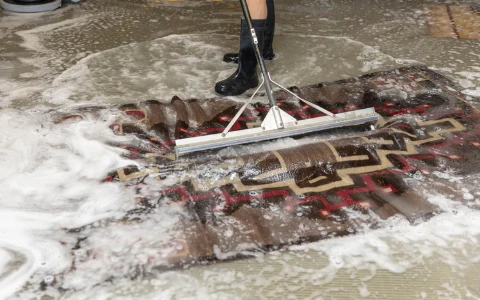
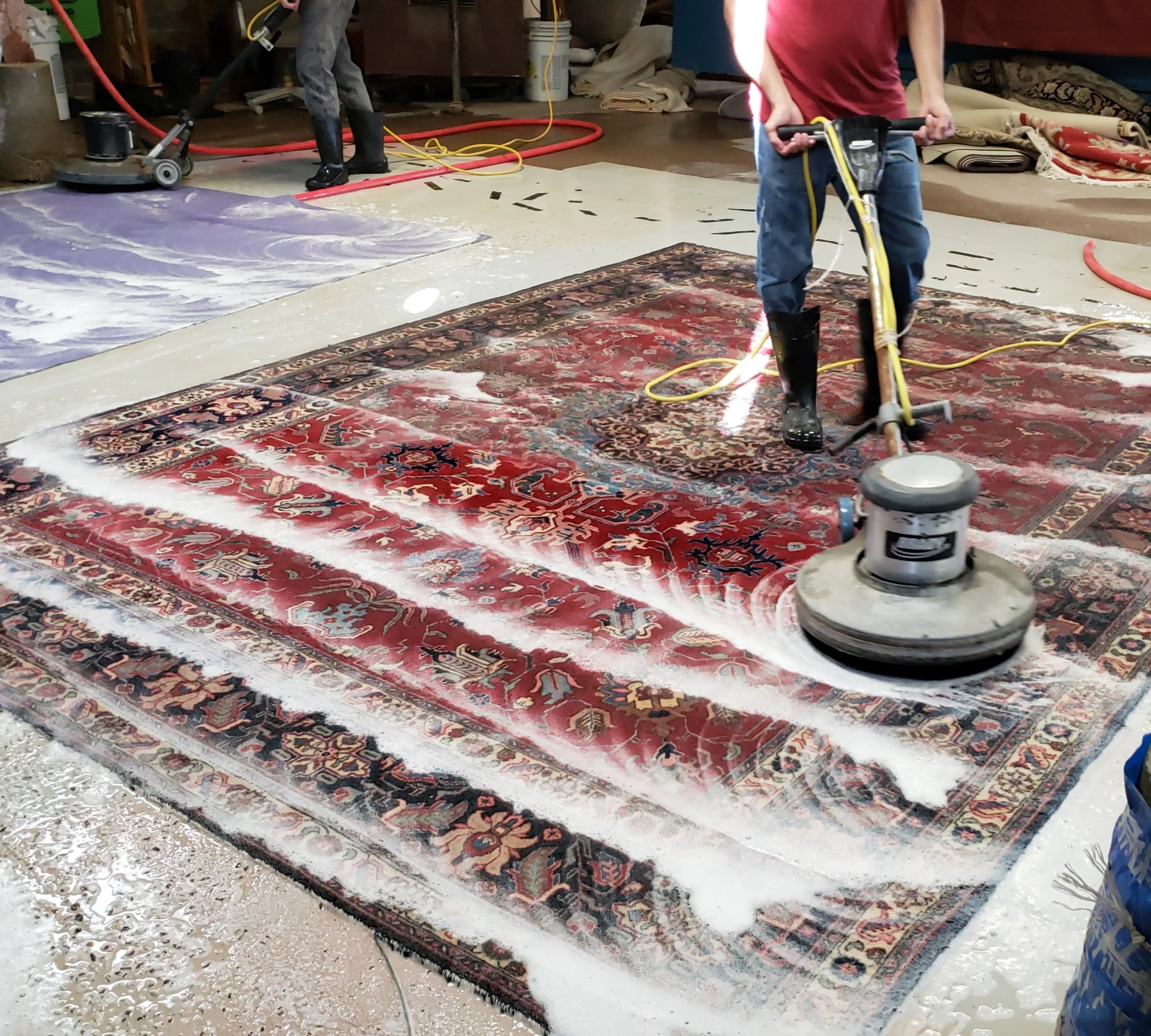
Professional rug cleaning services employ systematic processes designed to protect your investment while achieving superior results. The cleaning begins with dusting—a step most DIY methods completely miss. Specialized equipment removes pounds of dry soil embedded deep in the pile, preparing the rug for wet cleaning without turning dirt into mud.
Immersion washing follows for many rug types, where the entire rug undergoes controlled submersion in temperature-regulated water. This method allows thorough fiber-by-fiber cleaning impossible to achieve with surface-only techniques or steam cleaning rugs at home.
Experts use pH-balanced cleaning solutions specifically formulated to match the fiber content of your rug. Wool requires different chemistry than silk, synthetic, or cotton. This precision prevents the color damage and fiber degradation common with one-size-fits-all DIY products.
Fiber-specific detergents address the unique needs of natural materials, removing soils and odors while maintaining the integrity of delicate dyes and fibers.
Specialized Cleaning for Premium Rugs
When it comes to Persian rug cleaning, Oriental rug care, or maintaining wool and silk masterpieces, professional expertise becomes irreplaceable. These valuable rugs represent significant financial and often sentimental investments that demand specialized knowledge.
Hand-knotted rugs require edge-to-edge inspection before cleaning to identify weak areas, previous repairs, or dye stability issues. Professionals adjust their approach based on these findings, protecting vulnerable sections while thoroughly cleaning stable areas.
Antique and vintage rug restoration extends beyond cleaning to include repairs, color restoration, and structural reinforcement. Expert rug cleaning services can address fringe damage, reweave holes, and stabilize deteriorating foundations—services far beyond DIY capabilities.
Odor and Stain Removal with Expert Tools
Professional rug cleaners have access to specialized equipment and treatments unavailable to consumers. Enzyme-based cleaners break down organic stains like pet accidents at the molecular level, eliminating both the stain and lingering odors. UV lights detect urine stains invisible to the naked eye, ensuring complete treatment.
High-powered extraction equipment removes moisture efficiently, typically reducing drying time to 24-48 hours in climate-controlled facilities. This rapid drying prevents the mold and mildew problems that plague DIY attempts.
For stubborn stains—wine, coffee, ink, or rust—professionals employ targeted spot treatments and, when necessary, gentle oxidation or reduction techniques that amateur cleaners should never attempt.
DIY Rug Cleaning vs. Professional Cleaning — Direct Comparison
| Factor | DIY Cleaning | Professional Cleaning |
| Cost | Low ($10-50) | Moderate ($2-8 per sq ft) |
| Safety | Risky (color bleeding, over-wetting) | High (controlled methods) |
| Deep Cleaning | Limited (surface only) | Excellent (fiber-level cleaning) |
| Stain Removal | Basic (fresh spills only) | Advanced (stubborn, set-in stains) |
| Drying System | Poor (risk of mold) | Professional-grade (fast, thorough) |
| Equipment | Consumer products | Commercial-grade machinery |
| Best For | Everyday upkeep, synthetic rugs | Valuable rugs, deep cleaning needs |
| Results | Temporary improvement | Long-lasting restoration |
This comparison reveals that while DIY methods serve a purpose for routine maintenance, they cannot match the thoroughness and safety of professional services for serious cleaning needs.
When DIY Is Completely Fine
Not every situation demands professional intervention. DIY rug cleaning works well for specific scenarios where the risks are minimal and the cleaning needs straightforward.
Low-cost synthetic rugs made from polypropylene or nylon are more forgiving of DIY mistakes. These machine-made rugs feature colorfast dyes and durable fibers that withstand more aggressive home cleaning without significant risk of damage.
Small, fresh stains respond well to immediate DIY spot treatment. When you spill wine or coffee, quick action with a clean cloth and mild detergent often prevents the stain from setting, eliminating the need for professional intervention.
Surface dirt and routine maintenance fall squarely in DIY territory. Regular vacuuming, occasional baking soda freshening, and light dusting keep your rug looking presentable between professional deep cleanings.
Temporary freshening before guests arrive or after a long season can be accomplished with DIY methods, understanding that you’re addressing appearance rather than achieving deep sanitization.
When You Should Always Choose Professional Cleaning
Certain rug types and situations absolutely require professional rug cleaning to avoid costly damage. Never attempt DIY deep cleaning on these rugs:
Handmade rugs of any origin demand professional care. The hand-knotted construction, natural dyes, and artisan techniques used in these pieces make them vulnerable to DIY disasters. At Shabahang Rugs, we’ve seen countless valuable handmade pieces damaged by well-intentioned home cleaning attempts—damage that often cannot be fully reversed.
Persian and Oriental rugs represent significant investments that deserve expert handling. These masterpieces often feature vegetable dyes that bleed easily, wool foundations that shrink when over-wet, and intricate patterns that require specialized knowledge to clean properly.
Wool or silk fiber rugs require precise moisture control and pH-balanced treatments. Wool’s natural crimp makes it prone to felting when agitated in water, while silk loses its lustrous sheen when exposed to harsh chemicals or excessive heat.
Deep odors from pet accidents, moisture damage, or smoke penetrate beyond the surface. Professional enzyme treatments and specialized deodorizers are necessary to eliminate these smells at their source rather than temporarily masking them.
Mold, heavy stains, and water damage present health hazards and structural concerns that DIY methods cannot adequately address. Professional cleaning includes sanitization, mold remediation, and structural drying that prevent further deterioration.
How Often Should You Professionally Clean a Rug?
The proper rug cleaning frequency depends on several factors, including rug type, traffic levels, and household conditions.
General area rugs in moderate-traffic areas benefit from professional cleaning every 12 to 18 months. This schedule removes accumulated soil before it causes permanent fiber damage while maintaining the rug’s appearance and hygiene.
Handmade and Persian rugs typically need expert cleaning every two to three years under normal conditions. These valuable pieces often receive gentler use in formal spaces, allowing for slightly extended intervals between deep cleanings. However, never exceed three years, as prolonged soil accumulation accelerates wear.
Homes with pets or children should schedule professional rug cleaning annually. The increased soil, staining incidents, and allergen accumulation in these active households justify more frequent attention. High-traffic entryway rugs may even benefit from biannual cleaning.
Between professional cleanings, maintain a consistent routine of vacuuming, prompt spot cleaning, and rotation to distribute wear evenly.
Final Verdict — What Actually Works Better?
The professional versus DIY debate doesn’t have a single answer—both approaches play important roles in proper rug maintenance. DIY methods work well for routine upkeep, minor spills, and maintaining synthetic rugs between professional cleanings. They’re cost-effective, convenient, and sufficient for basic maintenance needs.
However, when it comes to deep cleaning, valuable rugs, or addressing significant problems, professional cleaning delivers superior results with far less risk. The investment in expert rug cleaning services pays dividends through extended rug life, better appearance, and peace of mind that your valuable textiles receive proper care.
The best method to clean rugs depends entirely on your specific situation. For everyday maintenance of durable synthetic rugs, DIY approaches work fine. For anything handmade, natural fiber, antique, or significantly soiled, professional expertise is not just preferable—it’s essential.
If your rug is handmade, wool, Persian, or antique, DIY cleaning can permanently damage it. Shabahang Rugs offers safe, expert-level cleaning and restoration tailored to premium rugs. Our specialists understand the unique requirements of fine textiles and employ time-tested techniques that protect your investment while delivering exceptional results.
Frequently Asked Questions
Can steam cleaners damage wool rugs?
Yes, steam cleaners pose significant risks to wool rugs. The high heat can cause wool fibers to shrink, felt, or distort, while excess moisture creates ideal conditions for mold growth. Wool requires controlled moisture levels and specific pH-balanced cleaning solutions that consumer steam cleaners cannot provide. Professional rug cleaners use specialized equipment with precise temperature and moisture control designed for natural fibers.
How do I know if my rug needs professional cleaning?
Several signs indicate it’s time for professional attention: visible dirt that vacuuming doesn’t remove, loss of vibrancy in colors, persistent odors, allergic reactions increasing in your home, or if the rug hasn’t been professionally cleaned in over 18 months. For handmade or valuable rugs, any significant staining or water damage warrants immediate professional evaluation to prevent permanent harm.
Is DIY rug shampoo safe for handmade rugs?
Most DIY rug shampoos are formulated for synthetic, machine-made carpets and can damage handmade rugs. These products often contain harsh detergents, incorrect pH levels for natural fibers, and chemicals that cause dye bleeding in vegetable-dyed textiles. Even products marketed as “safe for wool” rarely account for the unique characteristics of hand-knotted construction. For handmade rug care, professional fiber-specific treatments are always the safest choice.
How do professionals dry rugs properly?
Professional drying occurs in climate-controlled facilities using specialized equipment. After cleaning, rugs undergo controlled extraction to remove excess moisture without damaging fibers. They’re then hung or laid flat in rooms with regulated temperature, humidity, and air circulation. Commercial-grade dehumidifiers and air movers ensure thorough, even drying within 24-48 hours. This process prevents the mold, mildew, and backing deterioration common when rugs dry slowly at home.
How much does professional rug cleaning cost?
Professional rug cleaning typically costs between two to eight dollars per square foot, depending on the rug’s material, condition, and construction. A standard 8×10 foot rug might range from $160 to $640. While this seems expensive compared to DIY methods, the investment protects rugs worth hundreds or thousands of dollars from cleaning damage. For valuable Persian, Oriental, or antique rugs, professional cleaning is far more economical than replacing a damaged irreplaceable textile. Many services, including Shabahang Rugs, offer free pickup and delivery, making professional care more convenient than many homeowners expect.
Contact Shabahang Rugs for Expert Rug Cleaning
Your rugs deserve the highest level of care—care that only comes from decades of specialized experience with fine textiles. At Shabahang Rugs, we’ve dedicated ourselves to preserving the beauty and integrity of handmade rugs, Persian masterpieces, and valuable antiques. Our cleaning process respects the traditional craftsmanship of each piece while employing modern techniques that deliver exceptional results.
Whether your rug needs routine maintenance, stain removal, odor treatment, or complete restoration, our specialists provide personalized attention that mass-market carpet cleaners simply cannot match. We understand that your rug isn’t just a floor covering—it’s an investment, an heirloom, or a cherished piece of art that deserves expert handling.
Don’t risk damaging your valuable rug with DIY experiments or entrusting it to general carpet cleaners unfamiliar with fine textiles. Contact us to Shabahang Rugs today to schedule a consultation.
Call Us: (847) 256-5205
Visit: 3207 Lake Avenue, Wilmette, IL
Request a Free Quote: Click here Shabahang Rugs