
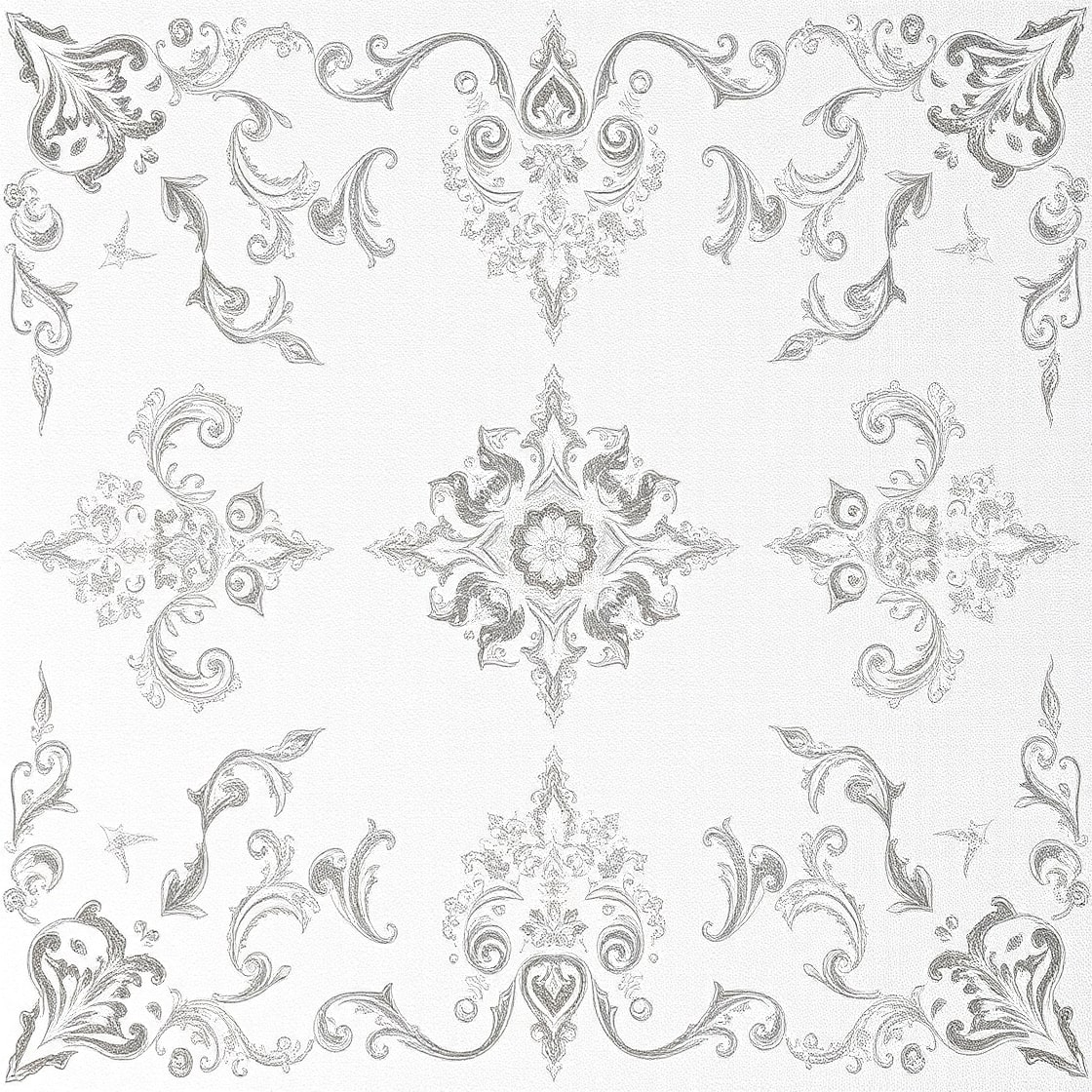
Persian rugs have decorated homes for centuries, and today they are more relevant than ever in contemporary interior design. If you have a modern home filled with clean lines, neutral tones, and minimalist furniture, a Persian rug can be the one element that ties your entire space together. It adds warmth, character, and a sense of history that modern furniture alone simply cannot deliver.
At Shabahang Royal Carpets, we specialize in authentic, hand-knotted Persian rugs that bring timeless artistry into modern living spaces. This guide will walk you through everything you need to know about pairing Persian rugs with modern furniture, from choosing the right style and size to mastering placement and color coordination.

Why Persian Rugs Work Beautifully in Modern Interiors
One of the most common misconceptions in interior design is that traditional rugs belong only in traditional homes. In reality, the contrast between an ornate Persian rug and minimalist modern furniture is what makes a space feel truly elevated and intentional.
Persian rugs introduce rich texture, intricate patterns, and a depth of color that contemporary spaces often lack. A sleek gray sofa or a glass coffee table can look stunning when placed over a vibrant Tabriz or a geometric tribal rug. The rug becomes the focal point of the room, drawing the eye and giving the space a sense of soul.
Modern interiors tend to favor simplicity and restraint. When you introduce a Persian rug, you add visual complexity in a controlled and sophisticated way. Rather than cluttering the space, a well-chosen rug anchors it and gives every furniture piece a reason to exist within the layout.
Choose the Right Persian Rug Style
Not all Persian rugs are the same. Choosing the right style is the first step toward a cohesive modern interior.
Traditional vs. Modern Persian Designs
Tabriz Rugs are among the most refined and detailed Persian carpets available. They typically feature floral medallion patterns, intricate borders, and a sophisticated color palette. These rugs work beautifully in modern spaces with muted or neutral furniture because they bring an element of grandeur without overwhelming the room.
Qashqai Rugs are tribal in origin and feature bold geometric patterns, earthy tones, and a slightly irregular weave that speaks to their handmade origins. They pair effortlessly with mid-century modern or Scandinavian furniture styles, adding warmth and rustic charm to otherwise sleek interiors.
Isfahan Rugs are known for their exceptional craftsmanship and detailed floral designs. They suit contemporary homes where the rug is intended to serve as a statement piece, particularly in open-plan living areas where it needs to command attention across a large space.
Geometric Persian Styles are increasingly popular in modern interiors because their clean, repeating patterns echo the structured aesthetic of contemporary design. If you prefer a subtler transition between traditional and modern, a geometric Persian rug is an excellent starting point.
Best Rug Materials for Modern Homes
The material of a Persian rug affects both its appearance and its suitability for different spaces.
Hand-knotted wool rugs are the most durable and widely used. They feel soft underfoot, age beautifully, and are ideal for high-traffic areas like living rooms and hallways.
Silk blend rugs have a natural sheen that catches light and adds a luxurious quality to any space. They work best in lower-traffic areas such as bedrooms or formal sitting rooms.
Rugs made with natural dyes have a softer, more nuanced color palette that tends to harmonize well with the neutral tones common in modern interiors. Over time, naturally dyed rugs develop a beautiful patina that only enhances their appeal.
Balance Patterns with Minimalist Furniture
One of the golden rules of pairing Persian rugs with modern furniture is to let the rug do the talking. If your rug features a bold floral or intricate tribal pattern, keep the surrounding furniture simple and solid in color.
A minimalist sofa in gray, white, or charcoal will highlight the rug rather than compete with it. A glass or wooden coffee table will complement the rug’s texture without clashing. The goal is to create a visual hierarchy where the rug serves as the primary design statement and the furniture supports it.
Avoid layering multiple patterns throughout the room. If your rug is highly decorative, keep throw pillows, curtains, and other textiles in solid, complementary colors. This approach ensures the room feels cohesive rather than chaotic.
Designers often recommend choosing one bold pattern element per room. In a space with a Persian rug, that element is already chosen. Everything else should be selected in service of the rug, not in competition with it.
Coordinate Colors with Your Furniture
Color coordination is one of the most powerful tools in interior design, and Persian rugs make this process surprisingly intuitive because they already contain a wide range of colors within their patterns.
Practical Color Strategies
Neutral furniture with a colorful rug is the most straightforward approach. A beige, cream, or gray sofa placed over a rich red or deep blue Persian rug creates a striking contrast that feels both modern and timeless.
Pull accent colors from the rug to use throughout the room. If your rug contains touches of gold, consider gold-toned light fixtures or cushion covers in that same shade. This technique creates visual unity and makes the room feel purposefully designed.
Warm rug tones with neutral walls work exceptionally well in modern homes. If your Persian rug features warm terracotta, burgundy, or amber tones, pair it with white or off-white walls to let those colors breathe and take center stage.
A useful rule in modern design is to work with one primary neutral and one accent color derived from the rug. This keeps the palette clean and intentional while allowing the rug’s natural beauty to shine.
Use Persian Rugs to Define Spaces
In open-plan homes, rugs are one of the most effective tools for creating visual zones without the need for walls or partitions. A Persian rug placed in one area of a large room immediately signals that this is a specific space with a defined purpose.
For example, a large Persian rug placed beneath a sofa and coffee table defines the living room seating area within a combined living and dining space. A smaller rug placed beneath a dining table creates a separate dining zone. A reading corner can be distinguished with a runner or round rug beneath a chair and floor lamp.
This zoning technique is particularly useful in open-plan apartments and modern homes where the layout prioritizes flow over separation. Persian rugs allow you to create structure and intimacy within a large space without sacrificing the open, airy feeling that modern design values.
Master the Placement Rules
Even the most beautiful Persian rug will fail to reach its potential if it is placed incorrectly. Proper rug placement is essential for a polished, professional result.
The Front-Legs Rule
The most widely recommended furniture placement technique is the front-legs rule. This involves placing the front legs of your sofa and chairs on the rug while leaving the back legs on the bare floor. This approach visually connects the furniture to the rug and makes the seating area feel cohesive and intentional.
Leave a Border
Always leave a visible border of flooring around the edges of your rug. A border of approximately 30 to 45 centimeters between the rug and the wall is considered ideal in most living rooms. This prevents the rug from looking like wall-to-wall carpeting and gives the room a more structured, deliberate appearance.

Choose the Right Rug Shape
The shape of the rug should suit both the room and the furniture layout.
Rectangular rugs are the most versatile and work well in living rooms, dining areas, and bedrooms. They align naturally with the straight lines of modern furniture.
Runner rugs are ideal for hallways, entryways, and narrow spaces alongside beds. They guide the eye along a path and add warmth to transitional areas.
Round rugs can soften the hard angles of modern furniture and work particularly well in reading corners, under round dining tables, or in small bedrooms. They introduce a sense of balance and movement that complements geometric interiors.
Modern Styling Techniques
Beyond placement and color, there are several creative styling techniques that interior designers use to make Persian rugs shine in modern settings.
Layer Rugs for Texture
Rug layering has become a popular trend in contemporary interior design. The technique involves placing a Persian rug over a larger, neutral base rug such as a jute, sisal, or plain wool rug. The base rug adds texture and grounds the space, while the Persian rug on top provides pattern and color. This approach works especially well in large living rooms where a single rug might not be sufficient to fill the space.
Highlight the Rug with Lighting
Good lighting can dramatically enhance the visual impact of a Persian rug. Adjustable floor lamps or LED spotlights positioned to graze the surface of the rug will bring out its texture and color depth. In rooms with natural light, positioning the rug to catch afternoon sunlight will reveal the full richness of its colors and the subtle variations in its hand-knotted pile.
Mix Materials for a Contemporary Feel
Persian rugs look exceptional when paired with a variety of modern materials. Metal furniture legs, glass tabletops, concrete surfaces, and natural wood all create interesting contrasts with the soft, intricate texture of a handwoven rug. Mixing these materials prevents the room from feeling too heavy or too cold and strikes a balance between contemporary style and traditional warmth.
Common Mistakes to Avoid
Even experienced decorators can make errors when incorporating Persian rugs into modern interiors. Here are the most common pitfalls to avoid.
Choosing a rug that is too small is perhaps the most frequent mistake. A rug that does not extend beneath at least the front legs of the sofa will look out of place and make the seating area feel disconnected. Always size up if you are unsure.
Matching every color exactly tends to produce a flat, uninspired result. Instead of trying to match the rug to every element in the room, focus on complementing it. Allow the rug to have colors that are not repeated anywhere else in the space.
Using overly busy furniture patterns alongside a detailed Persian rug creates visual noise. If your rug is ornate, keep upholstery and soft furnishings simple and solid.
Hiding the rug under bulky furniture defeats its purpose entirely. A Persian rug should be seen and appreciated. Position furniture to frame and display the rug rather than obscure it.
How Shabahang Royal Carpets Elevates Modern Interiors
At Shabahang Royal Carpets, every rug in our collection is a testament to centuries of Persian weaving tradition. Our rugs are authentically hand-knotted by master craftsmen using time-honored techniques, natural dyes, and the finest wool and silk materials available.
We understand that today’s homeowners want the beauty of traditional Persian craftsmanship in spaces that feel contemporary and livable. That is why our collection includes a wide range of styles, from refined Tabriz and Isfahan designs to bold Qashqai tribal patterns, all curated with modern interiors in mind.
Whether you are furnishing a minimalist apartment, a mid-century modern living room, or a large open-plan home, Shabahang Royal Carpets has a rug that will bring your space to life. Each piece we offer carries with it the artistry, history, and warmth that only a genuine Persian rug can provide.
Frequently Asked Questions
Can Persian rugs work in modern homes?
Absolutely. The contrast between intricate Persian rug patterns and minimalist modern furniture is one of the most effective design combinations available. A Persian rug adds warmth, texture, and visual interest to any contemporary space.
What color sofa goes with a Persian rug?
Neutral sofas in shades of gray, beige, cream, or white work best with Persian rugs. These solid tones allow the rug’s pattern and color to take center stage without visual competition.
What size Persian rug should I use in a living room?
For most living rooms, an 8×10 or 9×12 rug is ideal. The rug should be large enough to sit beneath the front legs of all seating pieces in the arrangement. If you are unsure, always choose the larger size.
Can you layer Persian rugs with other rugs?
Yes. Layering a Persian rug over a neutral base rug such as jute or sisal is a popular modern styling technique. It adds depth and texture to the space while allowing the Persian rug to remain the visual centerpiece.
Where can I find authentic Persian rugs for a modern home?
Shabahang Royal Carpets offers a curated collection of hand-knotted Persian rugs suitable for contemporary interiors. Browse our collection to find the perfect rug for your home.