
A quality rug represents a significant investment that should last decades with proper care. While many factors influence longevity, regular cleaning stands as one of the most critical elements in rug preservation techniques. Understanding how cleaning protects your investment helps you make informed decisions about maintenance schedules and professional services.
Why Rugs Wear Out Over Time
Rugs deteriorate through multiple mechanisms that accelerate without proper maintenance. Dirt particles embedded in fibers act as tiny abrasives, cutting through wool and silk strands with every footstep. This microscopic damage accumulates over months and years, weakening the structural integrity of the pile.
Foot traffic pressure compounds this effect by grinding dirt deeper into the foundation. Body oils, skin cells, food particles, and environmental residue build up gradually, creating a film that dulls colors and stiffens fibers. Perhaps most damaging are improper cleaning methods that introduce excessive moisture, harsh chemicals, or aggressive scrubbing that accelerates deterioration rather than preventing it.
How Dirt Shortens a Rug’s Life
The relationship between dirt accumulation and rug damage is direct and measurable. Soil particles cause fiber breakage at the molecular level, particularly in natural materials like wool and cotton. Each grain of sand or dust particle has sharp edges that saw through delicate fibers as people walk across the rug.
Color dulling occurs as dirt coats individual strands, blocking light reflection and making vibrant hues appear faded and lifeless. The natural luster of wool disappears under layers of grime. Texture flattening happens when compressed dirt prevents fibers from bouncing back to their original position, creating permanent traffic patterns and worn areas.
Most concerning is structural weakening of the cotton foundation that holds hand-knotted rugs together. As dirt works its way to the base, it retains moisture and promotes rot in the backing threads, compromising the entire rug’s stability.
How Regular Cleaning Protects Rug Fibers
Proper cleaning is essential for rug lifespan extension. Removing abrasive soil before it causes damage prevents the cutting action that weakens fibers. Professional rug maintenance guide protocols ensure dirt extraction happens without introducing new problems.
Quality cleaning preserves natural wool oils that keep fibers flexible and resilient. Lanolin in wool provides natural protection, but dirt buildup interferes with these protective properties. Proper washing removes contaminants while maintaining the fiber’s natural chemistry.
Regular maintenance prevents fiber brittleness by keeping strands clean and flexible. Dirt-laden fibers become stiff and prone to snapping, while clean fibers retain their strength and elasticity. This directly translates to how to make rugs last longer through consistent care.
Cleaning also reduces matting by removing the compressed dirt and oils that cause pile fibers to stick together. Restored loft and texture improve both appearance and durability, as upright fibers distribute weight more effectively than flattened ones.
Vacuuming vs Deep Cleaning – Different Roles
Both vacuuming and deep cleaning play distinct roles in long-term rug care. Routine maintenance through weekly vacuuming removes surface dirt before it migrates deeper into the pile. This surface cleaning prevents 80% of soil-related damage when performed consistently.
However, vacuuming has inherent limitations. It cannot extract oils, remove embedded dirt from the foundation, eliminate odors, or address stains and spills. Vacuum cleaners work only on the top portion of the pile, leaving the base and backing untouched.
This is why deep cleaning is necessary for complete rug fiber protection. Professional immersion washing reaches every layer, from pile tips to foundation threads. It removes accumulated residues that vacuuming cannot touch, restoring the rug’s full structural integrity and appearance.
Professional Cleaning vs DIY Cleaning
The difference between professional and DIY approaches significantly impacts rug preservation.
Benefits of Professional Rug Cleaning
Professional services employ fiber-specific methods tailored to each rug’s composition. Wool requires different treatment than silk, cotton, or synthetic materials. Experts at facilities like Shabahang Rugs understand these distinctions and adjust their processes accordingly.
Proper moisture control is critical and difficult to achieve at home. Professionals use controlled immersion washing that thoroughly cleanses without over-saturating. They employ safe detergents formulated specifically for delicate textiles, avoiding harsh chemicals that strip natural oils or damage dyes.
Perhaps most important is thorough drying in climate-controlled environments. Incomplete drying invites mold growth and causes shrinkage or distortion. Professional facilities ensure rugs dry completely and evenly, preventing these common problems.
Risks of Improper DIY Cleaning
Home cleaning attempts often lead to over-wetting, which causes foundation rot, dye bleeding, and dimensional changes. Carpets can tolerate more moisture than rugs because they’re attached to floors, but rugs require careful water management.
Dye bleeding occurs when excessive water or wrong cleaning solutions cause colors to run. This permanently damages patterns and cannot be reversed. Residue buildup from improper rinsing attracts dirt faster, actually shortening time between cleanings.
Most concerning is accelerated wear from aggressive scrubbing or steam cleaning methods inappropriate for hand-knotted rugs. These techniques can separate pile from foundation or damage delicate fibers beyond repair.
Cleaning Frequency & Rug Lifespan
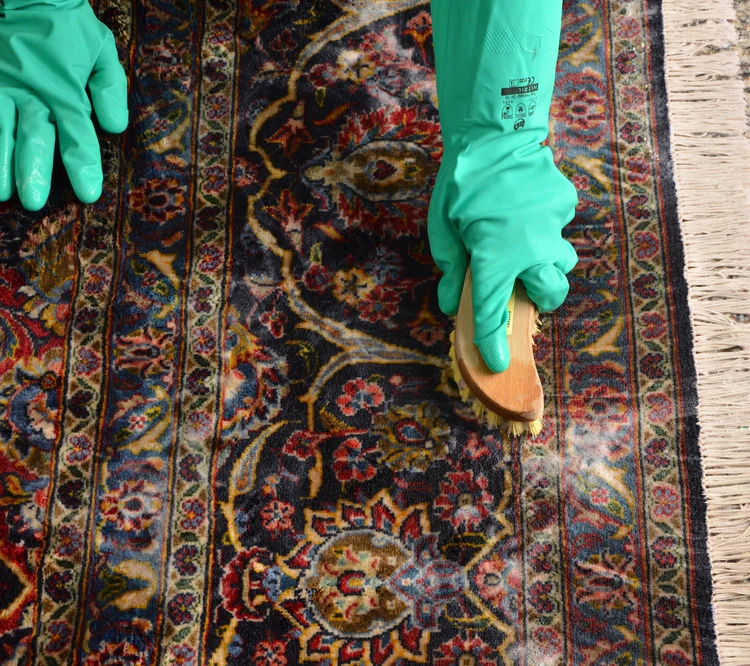
Optimal cleaning schedules vary based on usage and environment. High-traffic rugs in entryways, living rooms, and hallways benefit from professional deep rug cleaning every 12 to 18 months. These pieces accumulate dirt rapidly and show wear patterns quickly without regular maintenance.
Low-traffic rugs in bedrooms or formal dining rooms can extend to professional cleaning every 2 to 3 years, though annual vacuuming remains essential. Homes with pets and kids require more frequent attention, typically every 9 to 12 months, due to accidents, tracked-in dirt, and increased foot traffic.
Commercial spaces with heavy daily use may need professional cleaning every 6 to 12 months to prevent premature replacement. The professional rug cleaning importance increases proportionally with usage intensity.
Rug Types That Benefit Most from Professional Cleaning
Certain rug categories especially require expert care for maximum longevity. Wool rugs contain natural oils and have complex fiber structures that respond poorly to amateur cleaning but thrive under professional treatment. Proper wool washing can extend these rugs’ lives by decades.
Oriental and Persian rugs feature natural dyes and delicate construction that demand specialized knowledge. A single cleaning mistake can permanently damage a valuable antique. Handmade rugs of all origins justify professional investment due to their craftsmanship and irreplaceable nature.
Natural fiber rugs made from silk, cotton, jute, or sisal present unique challenges. Each material requires different pH levels, moisture amounts, and drying techniques. Shabahang Rugs specializes in identifying and properly treating these diverse materials.
Cleaning’s Role in Preventing Common Rug Problems
Regular maintenance prevents numerous issues that otherwise necessitate costly repairs or premature replacement. Odors from pet accidents, spills, or mildew become permanent if not properly addressed through deep cleaning. Surface treatments mask smells temporarily but don’t eliminate the source.
Moth damage prevention depends on removing the food sources moths seek: hair, skin cells, and food particles trapped in pile. Clean rugs are far less susceptible to moth infestation than dirty ones. The rug cleaning benefits extend beyond appearance to actual pest prevention.
Mold and mildew growth requires moisture and organic matter. Regular cleaning removes potential food sources and ensures rugs dry completely after any exposure to liquids. This prevents the devastating damage mold causes to both health and rug structure.
Stains becoming permanent is largely preventable through prompt professional treatment. Fresh stains respond to proper cleaning techniques, while aged stains chemically bond with fibers and resist removal. Regular professional cleaning addresses small stains before they become permanent eyesores.
Signs Your Rug Needs Cleaning
Recognizing when professional intervention is necessary prevents damage from delayed maintenance. A dull appearance despite regular vacuuming indicates embedded dirt that surface cleaning cannot reach. The colors should appear vibrant and lustrous; anything less suggests accumulated soil.
Stiff or matted pile that doesn’t spring back when compressed reveals dirt and oil buildup cementing fibers together. Healthy pile feels soft and resilient, bouncing back immediately after pressure is released.
Lingering odors that vacuuming doesn’t eliminate point to deep contamination requiring immersion washing. Even subtle mustiness indicates problems developing in the foundation or backing.
Visible soil buildup appears as traffic patterns, dark lines, or general discoloration. By the time dirt becomes visible on the surface, significant accumulation exists deep in the pile. These signs indicate immediate professional cleaning is necessary to prevent rug wear and tear.
Long-Term Rug Care Strategy
Maximizing rug lifespan requires integrated care practices. Regular vacuuming once or twice weekly removes surface dirt before it migrates deeper. Use vacuum attachments appropriate for your rug type, avoiding beater bars on delicate hand-knotted pieces.
Spot cleaning spills immediately prevents stains from setting. Blot liquids with clean white towels, working from the outside toward the center. Avoid rubbing, which spreads stains and damages fibers. For anything beyond water-based spills, consult professionals rather than experimenting with home remedies.
Scheduled professional cleaning based on your rug’s traffic level maintains fiber health and appearance. Consider this preventive maintenance rather than optional cosmetic care. The cost of regular cleaning is minimal compared to premature replacement.
Proper padding and rotation distribute wear evenly and protect against floor moisture. Quality rug pads prevent slipping, cushion fibers, and allow air circulation. Rotating rugs 180 degrees annually ensures even sun exposure and traffic patterns, extending lifespan significantly.
Final Thoughts
Cleaning represents preventive care rather than just cosmetic maintenance. The relationship between regular professional cleaning and extending rug lifespan is direct and measurable. Rugs receiving consistent expert care routinely last 50 to 100 years or more, while neglected pieces deteriorate within a decade.
Investment in proper cleaning pays dividends through extended beauty, functionality, and value preservation. The rug maintenance guide principles outlined here apply to all quality pieces, from contemporary designs to antique heirlooms. Understanding that dirt is the primary enemy of rug longevity empowers informed care decisions.
Professional cleaning does more than remove visible dirt. It preserves fiber integrity, prevents premature aging, eliminates hidden contaminants, maintains structural stability, and protects your investment for future generations.
Contact Shabahang Rugs for Expert Rug Care
Our facility uses traditional hand-washing methods combined with modern technology to safely clean rugs of all types, ages and conditions. We understand the unique requirements of wool, silk, cotton and synthetic fibers, adjusting our approach to each rug’s specific needs.
Schedule your rug evaluation today and discover how proper professional care can add decades to your rug’s lifespan. Contact us at Shabahang Rugs to discuss your specific needs and learn more about our comprehensive rug maintenance programs designed to protect your investment for generations to come.
Call Shabahang Rugs Today
Call now: (847) 256-5205
Address: 3207 Lake Avenue, Wilmette, IL 60091
Request a free Quote: Shabahang Rugs