
Emergency Rug Cleaning – When You Should Call Professionals Immediately
Rug emergencies happen without warning. One moment your beautiful Persian rug anchors your living room perfectly; the next, it’s soaked from a burst pipe, saturated with pet urine, or contaminated by smoke from a kitchen fire. In these situations, emergency rug cleaning becomes essential, because in these critical moments, the actions you take—or fail to take—within the first few hours can determine whether your rug survives or suffers permanent, irreversible damage.
Understanding when a rug situation constitutes a true emergency and knowing how to respond appropriately can save you thousands of dollars and preserve irreplaceable pieces. Shabahang Rugs has handled countless urgent rug situations, and we’ve seen firsthand how quick professional intervention makes the difference between successful restoration and devastating loss.
What Is Considered an Emergency in Rug Cleaning?
Not every stain or spill qualifies as an emergency, but certain situations demand immediate professional attention:
Sudden damage that occurs unexpectedly and dramatically—flooding, major pet accidents, chemical spills, or fire exposure—creates urgent timeframes for intervention. Unlike gradual soiling that accumulates over months, these incidents introduce severe contamination all at once.
High risk of permanent loss defines true emergencies. When damage will worsen exponentially with each passing hour, when valuable or irreplaceable rugs face destruction, or when the window for successful treatment is measured in hours rather than days, you’re dealing with an emergency.
Health and safety concerns elevate situations to emergency status. Sewage contamination, hazardous chemical exposure, or conditions that promote rapid mold growth pose risks beyond just rug damage—they threaten the health of everyone in your home.
Time-sensitive contamination includes anything that bonds with, penetrates, or permanently alters rug fibers if not addressed immediately. Pet urine, certain dyes, acidic substances, and biological matter all fall into this category.
Water Damage & Flooding – Act Within 24 Hours
Water damage represents one of the most common and serious rug emergencies. Whether from natural disasters or household accidents, water creates a ticking clock for rug survival.
Burst pipes can release gallons of water in minutes, completely saturating rugs and their foundations. The longer water sits, the more it penetrates backing materials, spreads contaminants, and creates ideal conditions for mold growth.
Flooding from storms, appliance failures, or plumbing disasters introduces not just water but often sewage, dirt, and bacteria. Contaminated floodwater requires specialized treatment that goes far beyond normal cleaning protocols.
Roof leaks may seem less dramatic than sudden flooding, but they can be equally destructive. Water dripping onto rugs introduces moisture from above, often going unnoticed until significant damage has occurred to both the rug face and foundation.
Why moisture destroys rugs quickly comes down to biology and chemistry. Within 24 to 48 hours, mold spores begin colonizing damp fibers. Wool rugs—which absorb up to 30% of their weight in water—become heavy, start developing odors, and risk rot in their foundations. Dyes may bleed, sizing may dissolve, and structural integrity can deteriorate rapidly. Every hour counts when your rug is wet.
Pet Urine Accidents – Why Immediate Action Matters
Pet urine might seem manageable compared to flooding, but it’s actually one of the most destructive emergencies your rug can face.
Urine penetration into fibers and foundation happens instantly. While you see only surface wetness, urine quickly travels through the pile, into backing, and even onto the floor beneath. Once there, it crystallizes and bonds with materials in ways that home cleaning cannot address.
Odor setting permanently occurs within hours as bacteria begin breaking down uric acid crystals. The characteristic ammonia smell intensifies over time, and warm temperatures or humidity reactivate dormant odors months or even years later.
Bacteria growth in urine-soaked areas creates health hazards and continues deteriorating natural fibers. The longer contamination remains, the more extensive the microbial activity becomes.
Why DIY cleaning often fails stems from the fact that home methods address only surface-level contamination. Extraction equipment can’t reach deep into foundations, enzyme cleaners may not fully penetrate, and improper techniques can actually spread contamination to previously unaffected areas. What’s worse, incomplete cleaning provides false confidence while damage continues beneath the surface.
Smoke & Fire Odor Contamination
Even if your rug wasn’t directly burned, smoke exposure creates an emergency that requires professional intervention.
How smoke particles bond with fibers makes this particularly insidious. Microscopic soot particles penetrate deep into the pile and become lodged in fiber structure. These particles carry acidic residues and strong odors that become permanent if not properly removed.
Why surface cleaning doesn’t work becomes apparent when homeowners try vacuuming or spot-treating smoke-damaged rugs. The odor temporarily diminishes only to return stronger than before. Surface approaches can’t reach embedded particles or neutralize the chemical compounds causing persistent smells.
Professional deodorization methods at Shabahang Rugs include complete immersion washing that flushes particles from deep within fibers, specialized deodorizing treatments that neutralize odor-causing compounds, and controlled drying that prevents odors from redepositing. Smoke damage requires facility-based treatment—in-home methods simply cannot provide adequate results.
Mold & Mildew Risk in Wet Rugs
Mold transforms water damage from a cleaning issue into a health emergency.
How fast mold forms surprises most rug owners. In ideal conditions—warmth, moisture, and organic material like wool—mold spores can begin colonizing within 24 to 48 hours. Visible growth appears within 72 hours. Once established, mold spreads rapidly and becomes increasingly difficult to eradicate.
Health risks from mold exposure range from allergic reactions and respiratory problems to serious infections in immunocompromised individuals. Mold in rugs releases spores into your home’s air continuously, affecting everyone who lives there.
Professional drying and treatment becomes essential once mold appears. Shabahang Rugs uses controlled environments, antimicrobial treatments, and thorough inspection to ensure complete mold elimination. We assess whether rugs can be safely restored or if contamination has progressed beyond salvageable levels.
Dye Bleeding & Color Migration
Dye bleeding constitutes an emergency because it can ruin a rug’s appearance within hours of exposure to moisture.
Common in wool, Persian, and Oriental rugs, dye bleeding occurs when water-soluble dyes release from one area and migrate to adjacent lighter areas. What starts as a small wet spot can spread colored staining throughout surrounding regions, creating damage far more extensive than the original incident.
Why delaying worsens damage relates to how dyes transfer and set. As moisture spreads and then dries, it carries dissolved dyes with it. Once these dyes dry in new locations, they bond with fibers and become exponentially harder to remove. Immediate professional intervention can often prevent migration before it begins.
Specialized stabilization techniques available at professional facilities include immediate dye-setting treatments, controlled pH adjustments, and isolation of bleeding areas before contamination spreads. These interventions must happen quickly—often within hours of moisture exposure—to be effective.
Chemical Spills & Unknown Substances
Household chemicals create unpredictable emergencies because their effects vary dramatically based on composition.
Cleaning chemicals including bleach, toilet bowl cleaners, and drain openers can permanently destroy dyes, dissolve fibers, and create irreversible damage within minutes. Even diluted products can cause significant harm if not immediately and properly neutralized.
Paint, solvents, or oils bond with fibers in ways that make removal extremely difficult once dried. Fresh spills require specialized treatments that differ completely from standard cleaning approaches.
Why improper cleaning causes fiber damage becomes evident when homeowners use the wrong products or techniques. Rubbing spreads contamination, heat can set stains permanently, and chemical interactions between the spill and cleaning products can create new problems worse than the original accident.
Why DIY Cleaning Can Make Emergencies Worse
The instinct to immediately start cleaning is understandable but often counterproductive in emergency situations.
Over-wetting your rug during DIY cleaning introduces far more moisture than the original incident, spreading contamination, promoting mold growth, and increasing drying time dramatically. Home equipment lacks the extraction power to remove this excess water.
Heat damage from hair dryers, heating pads, or direct sunlight can cause shrinkage, color fading, and fiber distortion in wool and silk rugs. Many DIY cleaning attempts inadvertently introduce heat while trying to speed drying.
Color loss results from improper cleaning products, excessive scrubbing, or using water that’s too hot. Once dyes are damaged or removed, restoration becomes impossible.
Fiber shrinkage in wool rugs happens when emergency cleaning violates basic wool care principles—excessive water, agitation, or temperature changes cause wool to felt and contract, permanently distorting your rug’s size and shape.
What Professionals Do in an Emergency
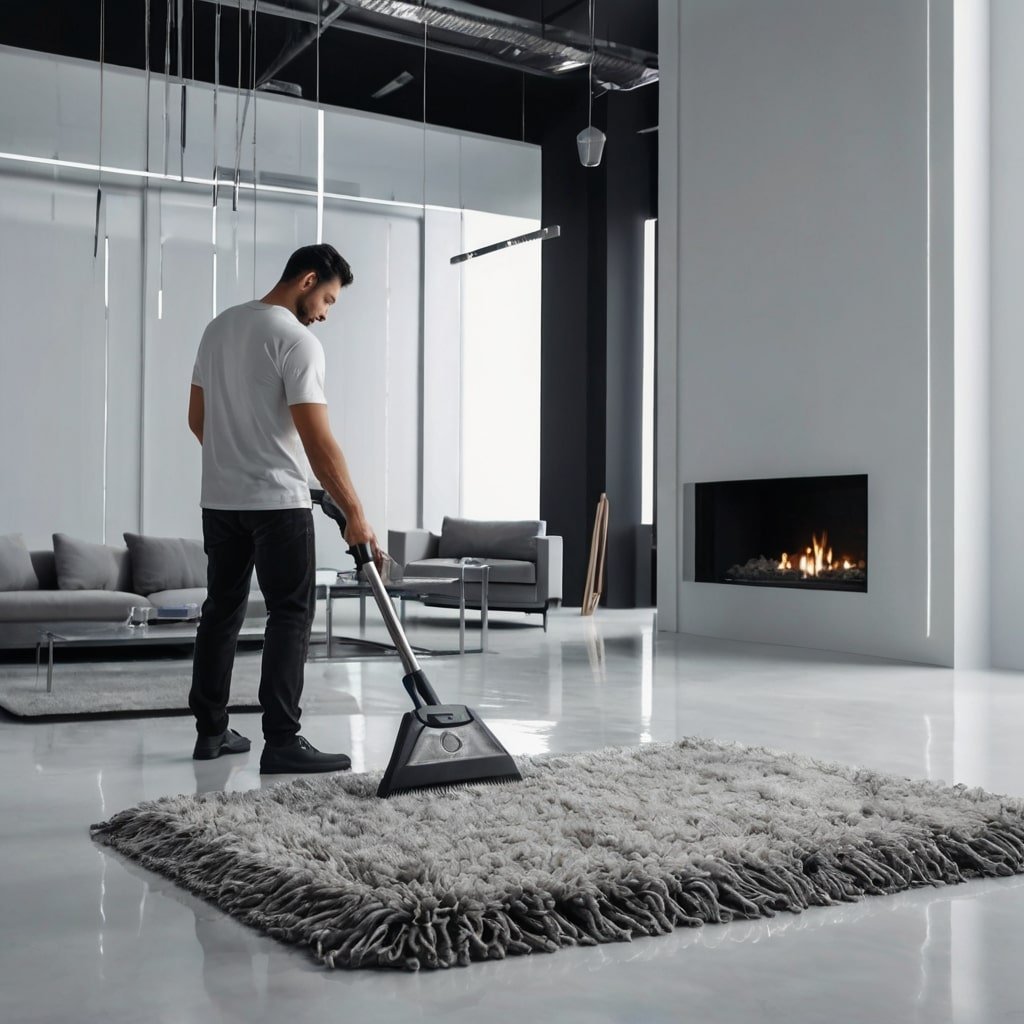
Shabahang Rugs follows systematic protocols for emergency situations that homeowners cannot replicate:
Immediate inspection identifies contamination type, penetration depth, and appropriate treatment approach. We assess fiber content, dye stability, and structural condition to develop emergency response plans.
Controlled cleaning uses pH-balanced solutions, appropriate temperatures, and measured moisture levels specific to your rug’s construction. We address contamination without introducing additional problems.
Rapid moisture extraction with professional equipment removes water far more effectively than home methods, minimizing mold risk and reducing drying time substantially.
Safe drying in climate-controlled environments ensures even moisture removal without heat damage, shrinkage, or mildew formation. We monitor rugs throughout the drying process to guarantee complete moisture elimination.
Odor neutralization goes beyond masking smells to actually eliminate odor-causing compounds through specialized treatments that permanently resolve contamination issues.
How to Protect Your Rug Before Professionals Arrive
While waiting for professional help, take these protective measures:
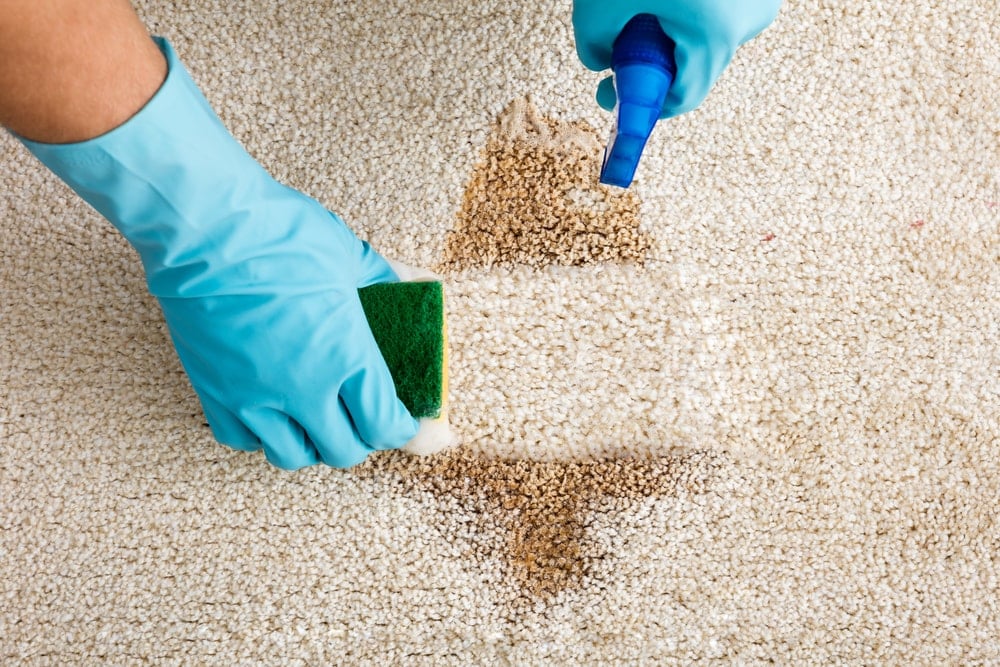
Do not scrub or aggressively rub affected areas. This drives contamination deeper into fibers and can cause permanent texture damage or dye loss. Blotting is always preferable to rubbing.
Blot gently with clean white towels to absorb surface moisture. Work from the outer edges toward the center to prevent spreading. Replace towels frequently to avoid redepositing absorbed contaminants.
Increase air circulation with fans if weather permits, but avoid directing heat toward the rug. Good airflow slows mold development while keeping the rug cool prevents additional damage.
Keep rug flat and cool rather than bunching, folding, or rolling wet areas. Positioning can cause dye transfer, and folds create concentrated moisture pockets where mold develops fastest.
When a Rug Can’t Be Saved
Honesty about salvageability is part of Shabahang Rugs’ emergency response philosophy.
Structural damage from prolonged water exposure, severe fire damage, or advanced deterioration may render rugs unsafe or impossible to restore. When foundations have rotted, we provide realistic assessments rather than false hope.
Advanced mold that has colonized throughout a rug’s structure may make restoration unsafe or impractical. Some contamination levels pose ongoing health risks that cleaning cannot adequately resolve.
Severe fiber deterioration from chemical damage, extreme heat, or prolonged exposure to contaminants can destroy rug integrity beyond repair.
Honest professional assessment helps you make informed decisions about restoration versus replacement. We never recommend restoration work that won’t produce satisfactory results or that costs more than replacement value.
Final Thoughts
In rug emergencies, time is the most valuable factor—professional intervention can mean the difference between restoration and replacement. The first few hours after water damage, pet accidents, or contamination incidents determine outcomes far more than the severity of the original incident.
Understanding what constitutes a true emergency and responding appropriately protects your investment and often saves rugs that would otherwise be lost. While DIY instincts are strong, emergency situations require professional equipment, knowledge, and facilities that simply don’t exist in residential settings.
Contact Shabahang Rugs for Emergency Rug Cleaning
Don’t wait when rug emergencies strike. Shabahang Rugs provides rapid-response emergency rug cleaning services for water damage, pet accidents, smoke contamination, and all urgent drug situations. Every hour of delay reduces the likelihood of successful restoration.
Our team is equipped to handle emergency pickups, provide immediate assessment, and begin treatment protocols designed to save your rugs when time is critical. We understand the stress and urgency these situations create, and we respond accordingly with fast, effective professional care.
Contact us at Shabahang Rugs immediately if your rug has experienced flooding, severe pet contamination, fire or smoke exposure, chemical spills, or any situation requiring urgent professional intervention. We’re here to help when you need us most, with the expertise and facilities to handle even the most challenging emergency situations. Call us now—your rug’s survival may depend on how quickly professional treatment begins.
Call Shabahang Rugs Today
Call now: (847) 256-5205
Address: 3207 Lake Avenue, Wilmette, IL 60091
Request a free Quote: Shabahang Rugs