
Handmade rugs colored with natural dye rug cleaning are treasured possessions that require specialized care and knowledge. Unlike modern rugs with synthetic dyes, naturally dyed pieces demand a gentler, more informed approach to cleaning. Understanding why these beautiful textiles are so sensitive—and why professional expertise is essential—can mean the difference between preserving a cherished heirloom and causing irreversible damage.
What Are Natural Dyes in Rugs?
Natural dyes are colorants derived from organic sources rather than chemical laboratories. For centuries, master weavers have used plant-based materials like indigo, madder root and turmeric; mineral compounds such as iron oxide; and even insect-based dyes like cochineal to create the rich, distinctive colors found in handmade rugs.
These dyes are highly valued for several reasons. They produce subtle, complex hues that synthetic dyes cannot replicate. The colors often develop a beautiful patina over time, adding character and depth. Natural dyes also create slight variations in tone throughout the rug, giving each piece unique visual interest and authenticity. This traditional dyeing process is an integral part of the craftsmanship that makes Persian and Oriental rugs so highly prized.
Why Naturally Dyed Rugs Are Highly Sensitive
Natural dyes react dramatically to environmental factors that synthetic dyes can easily withstand. Water is one of the primary concerns—many natural dyes are water-soluble and can begin to migrate when exposed to moisture, especially if the water’s pH level isn’t carefully controlled. Alkaline or acidic conditions can cause unexpected color shifts or complete color loss.
Heat sensitivity is another critical factor. Natural dyes respond poorly to hot water or elevated drying temperatures, which can cause fading, color changes, or weakening of the dye bond to the wool fibers. Age and oxidation also play significant roles. Older rugs with natural dyes may have experienced decades of light exposure and environmental changes, making their dyes increasingly unstable and prone to bleeding during cleaning.
The Risks of DIY or Improper Cleaning
Attempting to clean naturally dyed rugs without proper knowledge often leads to devastating consequences. Color bleeding and migration are the most common issues—one color can run into adjacent areas, creating permanent stains that destroy the rug’s design. Once bleeding occurs, it’s nearly impossible to reverse.
Permanent fading can result from using the wrong cleaning solutions or water temperatures. What might seem like a gentle household cleaner could have a pH level that strips color from natural dyes. Uneven color patches develop when some areas of the rug are cleaned more aggressively than others or when dyes react differently across the piece. Fiber damage is also a serious risk, as harsh treatments can weaken wool and silk fibers that have been colored with natural dyes, compromising the rug’s structural integrity.
Why Colorfastness Testing Is Critical
Before any cleaning begins, experts at facilities like Shabahang Rugs perform meticulous colorfastness testing on naturally dyed pieces. This process identifies which dyes are stable and which might bleed during cleaning, allowing professionals to adjust their approach accordingly.
Testing involves carefully dampening small, inconspicuous areas of each color and observing whether any dye transfers to a white cloth. This preventive measure is non-negotiable when dealing with natural dyes. Based on test results, cleaners can determine which specialized techniques and solutions will safely clean the rug without causing color migration or fading.
How Professional Cleaners Handle Natural Dye Rugs
Experts use pH-balanced, dye-safe solutions specifically formulated for natural fibers and traditional dyes. These gentle cleaners effectively remove soil without stripping color or causing chemical reactions that damage the dyes.
Controlled washing methods are essential. Professional rug cleaners understand exactly how much water to use, what temperature is safe and how long the rug can remain wet without risking color bleeding. Individual color protection may involve treating different colored sections separately or using specialized barriers to prevent dye migration between adjacent colors.
Minimal agitation is crucial. While synthetic dye rugs can withstand vigorous scrubbing, naturally dyed pieces require gentler handling. Professional cleaners use soft brushes and carefully controlled pressure to remove dirt without disturbing the dye bonds.
Preventing Color Bleeding & Dye Transfer
Cold-water techniques are standard practice for natural dye rug cleaning. Cool temperatures minimize the risk of dyes becoming soluble and migrating. However, temperature alone isn’t enough—the water chemistry must also be precisely controlled.
Specialized rinsing processes ensure that any loosened dye particles are immediately flushed away rather than being allowed to resettle on other parts of the rug. Absorption control methods, including the use of specific drying materials and techniques, prevent moisture from pooling in ways that could encourage dye transfer.
Drying Techniques That Protect Natural Dyes
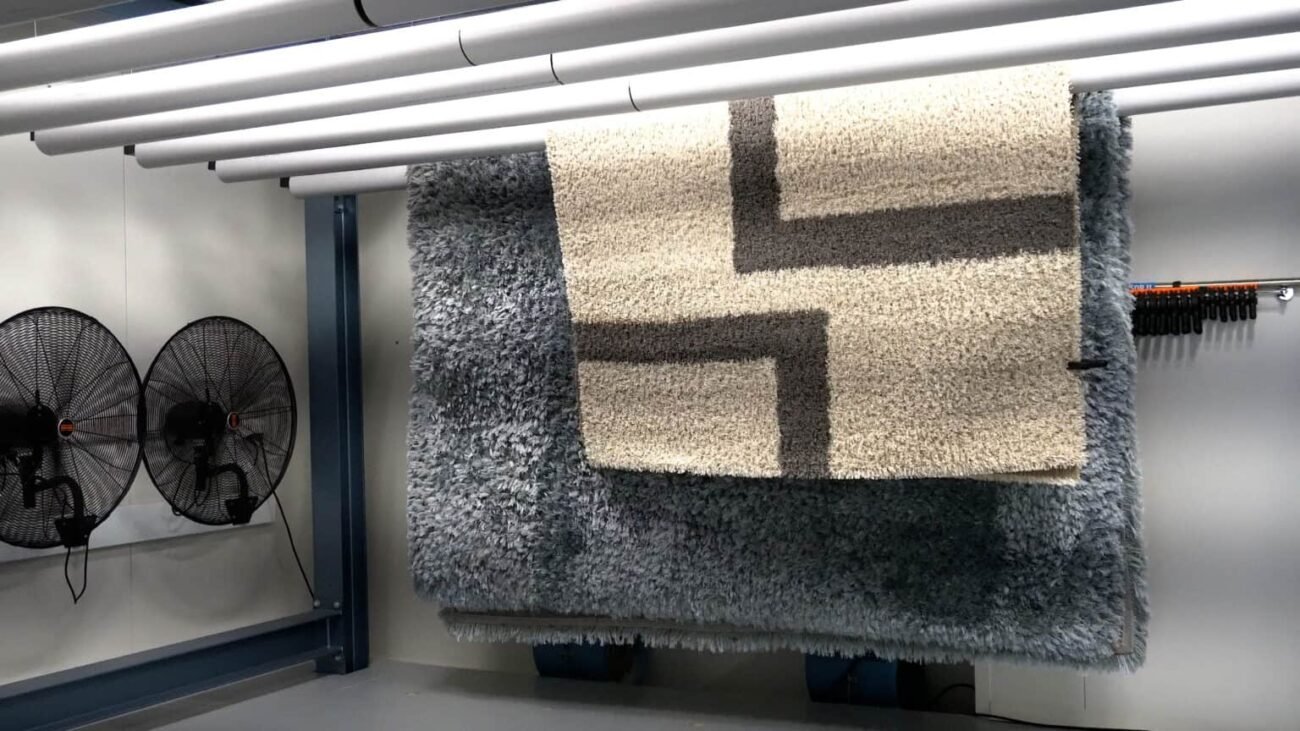
Proper drying is just as important as washing. Flat drying is preferred for naturally dyed rugs, as hanging can cause water and dissolved dyes to migrate downward, creating permanent watermarks and color streaks.
Temperature control during drying prevents heat-related fading and fiber damage. Professional facilities maintain optimal ambient temperatures that allow rugs to dry completely without exposure to excessive heat. Airflow management ensures even drying without creating wet spots where dyes might continue to bleed. Strategic air circulation helps rugs dry uniformly while maintaining the integrity of their natural colors.
Types of Rugs Commonly Dyed with Natural Colors
Persian rugs are among the most likely to feature natural dyes, particularly antique and semi-antique pieces. Traditional Persian weaving centers have used natural dyeing techniques for centuries and many contemporary high-quality Persian rugs continue this tradition.
Oriental rugs from regions including Turkey, Afghanistan and the Caucasus frequently incorporate natural dyes. Tribal and antique rugs almost universally feature plant and mineral-based colors, as these pieces predate the introduction of synthetic dyes. Wool and silk rugs are the most common candidates for natural dyeing, as these fibers readily accept and retain organic colorants.
Signs Your Rug Has Natural Dyes
Identifying natural dyes helps you understand the level of care your rug requires. Slight color variation within a single color area is a hallmark of natural dyes—synthetic dyes produce perfectly uniform colors, while natural dyes create subtle tonal shifts.
Soft, earthy tones suggest natural dyes. While natural dyes can produce vibrant colors, they typically have a depth and complexity that synthetic dyes lack. The most telling sign is color change when damp—if gently moistening a corner of your rug causes any color to transfer to a white cloth, you’re almost certainly dealing with natural dyes that require professional cleaning expertise.
Long-Term Benefits of Expert Cleaning
Investing in professional cleaning from specialists like Shabahang Rugs preserves your rug’s color integrity for generations. Expert handling prevents the color bleeding, fading and migration that can permanently damage your investment.
Maintaining the rug’s value is another critical benefit. Improperly cleaned rugs with color damage lose significant monetary and aesthetic value, while professionally maintained pieces retain or even increase in worth over time. Extended rug lifespan results from gentle, appropriate cleaning methods that remove damaging soil and contaminants without compromising the fibers or dyes. A naturally dyed rug that receives expert care throughout its lifetime can remain beautiful and functional for a century or more.
Frequently Asked Questions
Can color bleeding be reversed?
Unfortunately, once color bleeding has occurred, it’s extremely difficult or impossible to reverse. The migrated dye becomes permanently bonded to fibers in the affected area. This is why prevention through professional cleaning is so important—restoration of color-bled rugs is costly, time-consuming and often only partially successful.
Are eco-friendly cleaners safe for natural dyes?
Not necessarily. While eco-friendly cleaners are gentler on the environment, they aren’t automatically safe for natural dyes. The pH level and chemical composition matter more than the eco-friendly label. Professional rug cleaners use solutions specifically formulated for natural dyes, whether or not they’re marketed as eco-friendly.
How often should natural dye rugs be cleaned?
Professional cleaning every 3-5 years is typically sufficient for naturally dyed rugs in normal residential use. High-traffic areas may require more frequent attention. Regular vacuuming and prompt attention to spills help extend the time between professional cleanings.
Are antique rugs always naturally dyed?
Rugs made before the 1920s are almost always naturally dyed, as synthetic dyes weren’t widely available until then. However, “antique” is sometimes used loosely to describe older rugs from the mid-20th century, which may contain synthetic dyes. A professional can assess your rug’s age and dye content.
Should naturally dyed rugs be spot cleaned at home?
Spot cleaning naturally dyed rugs at home is risky. Water alone can cause color bleeding and most household cleaning products have inappropriate pH levels. For valuable rugs with natural dyes, it’s safest to blot spills immediately with a dry cloth and contact a professional cleaner for guidance rather than attempting treatment yourself.
Trust Shabahang Rugs with Your Naturally Dyed Treasures
At Shabahang Rugs, we understand that your naturally dyed rug represents both a significant investment and often a cherished family heirloom. Our team of experts has specialized training in identifying natural dyes and employing the precise techniques necessary to clean these sensitive pieces safely and effectively.
Whether you own a Persian masterpiece, a tribal antique, or a contemporary handmade rug with traditional natural dyes, Shabahang Rugs provides the expertise essential for preserving your investment. Contact us today to discuss your rug’s specific needs and schedule a professional assessment. Your naturally dyed rug deserves nothing less than expert care.
Call now today:
Call now: (847) 256-5205
Address: 3207 Lake Avenue, Wilmette, IL 60091
Request a free Quote: Shabahang Rugs