
Your beautiful area rug looks clean on the surface, but beneath those fibers lies an invisible threat: deep-embedded grit that your vacuum can’t reach. This hidden layer of dirt doesn’t just make your rug less clean—it actively destroys the fibers from within, shortening your rug’s lifespan and dulling its appearance. Understanding how professional deep rug cleaning removes this abrasive material is essential for anyone who values their investment in quality rugs.
What Is Deep-Embedded Grit in Rugs?
Deep-embedded grit consists of microscopic particles of sand, soil, dust, and debris that settle deep into the rug’s foundation. Unlike surface dirt that you can see and vacuum away, this hidden grit works its way down through the pile and becomes trapped at the base of the fibers, where it sits against the backing material.
These particles are surprisingly heavy. A typical 9×12 wool rug can harbor several pounds of embedded dirt that remains completely invisible to the naked eye. The grit accumulates gradually through daily foot traffic, tracked-in outdoor soil, and airborne dust particles that filter down through the pile over months and years.
What makes this type of dirt particularly problematic is its abrasive nature. Sand and soil particles have sharp, irregular edges that act like sandpaper against your rug fibers every time someone walks across the surface. This constant grinding motion happens with every footstep, slowly wearing away the fibers from the bottom up.
Why Vacuuming Isn’t Enough
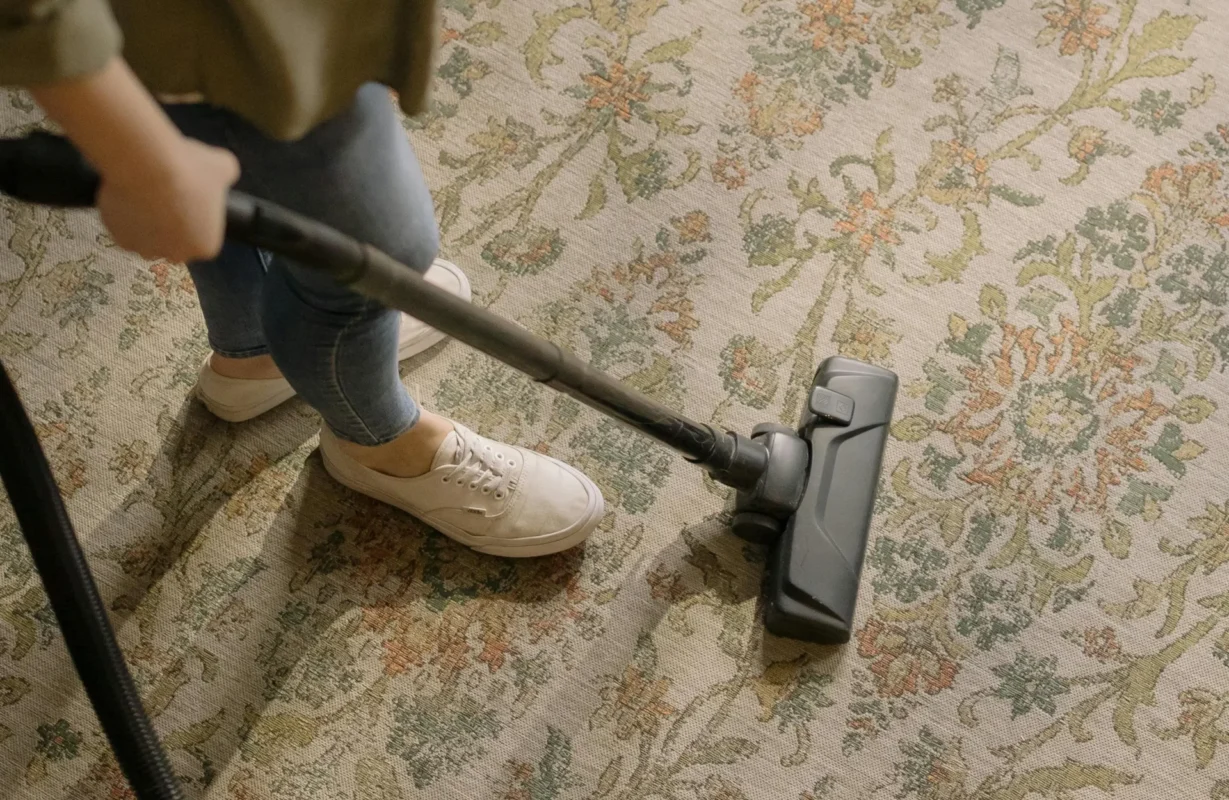
Regular vacuuming is essential for maintaining your rug’s appearance, but it only addresses surface-level cleaning. Even the most powerful vacuum cleaner with a beater bar can only reach dirt in the upper portion of the pile, typically penetrating only about one-third to one-half of the way down through the fibers.
The physics of vacuum cleaning creates a fundamental limitation. Suction works by creating airflow through the rug fibers, but once particles settle below a certain depth, they become physically trapped by the weight of the fibers above them. The vacuum’s airflow simply can’t generate enough force to dislodge grit that’s compressed at the foundation level.
Additionally, many homeowners use vacuum settings that are too gentle for effective cleaning, fearing damage to their rugs. While this caution is well-intentioned, it further reduces the vacuum’s already limited ability to extract embedded dirt. The grit continues to accumulate, layer upon layer, year after year.
How Embedded Grit Damages Rugs Over Time
The hidden grit in area rugs causes damage through a process called fiber abrasion. As people walk across the rug, the weight and motion create friction between the hard particles and the soft fibers. This constant rubbing wears away the fiber surface, creating a fuzzy, damaged appearance that can never be fully restored.
Loss of softness is one of the first noticeable effects. A rug that once felt plush and luxurious underfoot gradually becomes rough and brittle. This textural change happens because the abrasive grit literally grinds away the smooth outer surface of each fiber, exposing the rougher interior structure.
Premature wear follows as the damaged fibers become weaker and more susceptible to breaking. Areas with heavy foot traffic show this damage first, developing worn pathways that stand out from the rest of the rug. What should have been decades of beautiful service becomes just a few years before visible deterioration appears.
Color dulling occurs as the abraded fiber surfaces scatter light differently than intact fibers. The rug’s colors appear faded and lifeless, even though the dyes themselves haven’t changed. This optical effect makes the entire rug look older and more worn than it actually is.
The Professional Rug Dusting Process
Professional rug cleaning facilities employ specialized equipment designed specifically for removing deep-embedded grit. The process begins with mechanical dusting, which uses powerful machines that suspend the rug and vibrate it in controlled patterns. This vibration dislodges particles that have been trapped for years, allowing gravity to pull them out of the pile.
Compressed air techniques represent another effective method. These systems direct high-pressure air blasts through the rug from the back side, forcing embedded dirt out through the pile where it can be collected. The force of the compressed air reaches areas that vacuuming never touches.
Controlled vibration methods combine gentle agitation with strategic positioning. The rug is hung or suspended while vibrating pads work systematically across the surface, breaking the grip between trapped particles and fiber. This process can remove several pounds of hidden dirt from a single rug, with the accumulated grit visibly falling away during treatment.
At Shabahang Rugs, we utilize state-of-the-art dusting equipment that safely extracts embedded grit without stressing the delicate fibers. Our technicians understand that proper dust removal is the foundation of effective rug cleaning.
Washing After Dust Removal – Why Order Matters
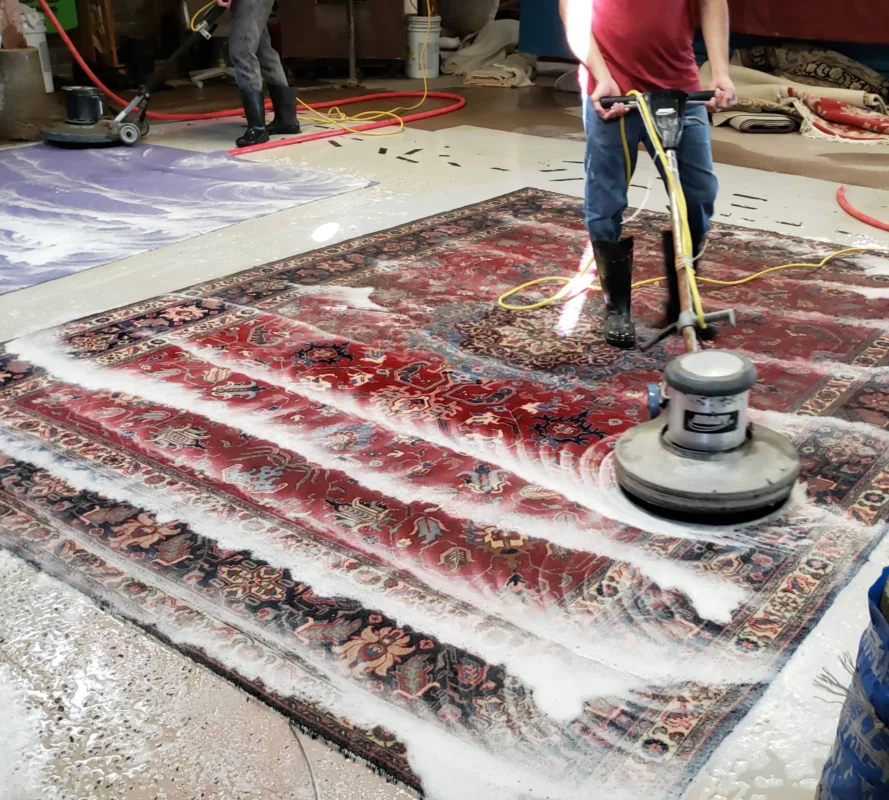
The sequence of rug cleaning steps is crucial for achieving optimal results. Professional cleaners always remove embedded grit before introducing any water or cleaning solutions. This order prevents a common problem: when water meets grit, it creates mud that penetrates even deeper into the rug structure.
Deeper soil extraction becomes possible once the abrasive particles are removed. Washing solutions can then reach the fiber surfaces without interference from layers of compacted dirt. The actual cleaning becomes more effective, and less aggressive agitation is needed to achieve thorough results.
Protecting fibers during washing is another reason the dust-first approach matters. When grit remains in the rug during the washing process, the mechanical action of scrubbing drives those sharp particles against the fibers with even more force. The combination of moisture, movement, and abrasive grit can cause significant damage in a very short time.
Types of Rugs Most Affected by Hidden Grit
Wool rugs are particularly vulnerable to embedded dirt because wool fibers have a naturally crimped structure that traps particles effectively. The same qualities that make wool rugs feel soft and resilient also make them excellent at holding onto grit. Persian and Oriental wool rugs especially benefit from professional dust removal.
Handmade rugs with traditional construction methods often have looser weave structures than machine-made alternatives. While this creates beautiful drape and texture, it also allows more dirt to penetrate to the foundation. The hand-knotted construction that makes these rugs valuable also makes them susceptible to grit accumulation.
Thick pile rugs provide more space for dirt to hide. Shag rugs, flokati rugs, and other high-pile styles can harbor enormous amounts of embedded grit simply because there’s more depth for particles to settle into. These rugs require professional cleaning more frequently than low-pile alternatives.
Entryway and hallway rugs face the most severe grit challenges because they’re positioned where people track in outdoor soil directly. These high-traffic rugs need professional dust removal at least annually to prevent the accelerated wear that embedded dirt causes.
Health Benefits of Removing Embedded Grit
Reduced allergens represent a significant health advantage of professional rug dusting. Dust mites thrive in the warm, protected environment of rug foundations, feeding on shed skin cells and other organic matter trapped in the grit. Removing this material eliminates their food source and habitat.
Improved indoor air quality follows naturally from thorough grit removal. Every footstep on a dirty rug releases tiny particles into the air you breathe. While individual releases are microscopic, the cumulative effect over months and years contributes to poor indoor air quality, especially in homes with limited ventilation.
Less airborne dust means fewer respiratory irritations for family members with asthma, allergies, or other sensitivities. Children who play on rugs are particularly vulnerable to the health effects of embedded grit, as they spend more time in close contact with the floor surface and breathe at a level where dust concentrations are highest.
Signs Your Rug Has Too Much Hidden Grit
A crunchy sound when walked on indicates severe grit accumulation. This audible signal means there’s so much embedded dirt that you’re actually hearing the particles grinding together under the pressure of footsteps. If your rug makes noise when you walk across it, professional cleaning is overdue.
Rough texture replacing former softness tells you that fiber abrasion is already underway. Run your hand across the pile in different directions. If it feels harsh or scratchy rather than smooth and supple, embedded grit has been damaging the fiber surfaces for some time.
Dull appearance despite regular vacuuming suggests that surface cleaning is no longer adequate. When a rug looks dingy and lifeless even immediately after vacuuming, the problem lies deeper than your vacuum can reach. The embedded grit is affecting how light reflects off the fibers.
Rapid re-soiling frustrates homeowners whose rugs seem to get dirty again within days of vacuuming. This happens because new dirt adheres easily to the rough, damaged fiber surfaces created by grit abrasion. The rug literally becomes a dirt magnet due to its compromised condition.
Why DIY Methods Can’t Remove Deep Grit
Lack of proper equipment is the primary limitation of home rug cleaning attempts. Consumer-grade machines and tools simply don’t generate the mechanical force or airflow necessary to dislodge deeply embedded particles. What professional facilities accomplish in minutes would take hours or days with home equipment—if it’s possible at all.
Over-wetting risks increase when homeowners try to compensate for equipment limitations by using excessive water or cleaning solution. This approach doesn’t remove embedded grit; it just saturates the rug foundation, creating conditions for mold growth, dye bleeding, and shrinkage.
Incomplete extraction leaves most of the hidden dirt in place while giving homeowners a false sense that their rug is clean. The surface may look better temporarily, but the underlying damage continues unabated. In some cases, DIY cleaning can actually worsen the problem by pushing surface dirt deeper into the pile.
Professional Rug Cleaning Makes the Difference
Removing deep-embedded grit is not optional—it’s essential for rug longevity, appearance, and health. Only professional rug cleaning can safely extract what you can’t see, using specialized equipment and techniques developed specifically for this challenging task. The investment in professional deep rug cleaning pays dividends in extended rug life, maintained beauty, and healthier indoor environments.
Regular professional cleaning should complement your home maintenance routine, not replace it. Continue vacuuming frequently to remove surface dirt, but recognize that periodic professional dust removal is necessary to address the hidden grit that vacuuming leaves behind.
Frequently Asked Questions
How much dirt can be trapped inside a rug?
A standard 9×12 area rug can harbor 3 to 8 pounds of embedded dirt that’s completely invisible on the surface. High-traffic rugs in busy households may contain even more, with some extremely dirty rugs yielding 10 or more pounds of grit during professional dust removal.
Does embedded grit cause permanent damage?
Yes, the fiber abrasion caused by embedded grit creates permanent damage that cannot be reversed. Once fibers are worn down by the grinding action of trapped particles, no cleaning or restoration process can rebuild the damaged fiber surfaces. This is why preventive professional cleaning is so important.
How often should rugs be professionally dusted?
Most residential rugs benefit from professional dust removal every 12 to 18 months. High-traffic area rugs, entryway runners, and rugs in homes with pets or children may need professional cleaning annually. Low-traffic decorative rugs can often go 2 to 3 years between professional cleanings.
Can steam cleaning remove grit?
No, steam cleaning and hot water extraction methods do not remove embedded grit effectively. These approaches add moisture before removing the dry particulate matter, which can actually make the problem worse by turning grit into mud. Professional dusting must occur before any wet cleaning process.
Is deep rug cleaning safe for antique rugs?
Yes, professional deep rug cleaning is safe for antique and delicate rugs when performed by trained specialists. In fact, removing embedded grit is one of the most important preservation measures for valuable antique rugs. The gentle vibration methods used by professional cleaners are specifically designed to protect fragile fibers while still extracting harmful particles.
Contact Shabahang Rugs for Expert Deep Rug Cleaning
At Shabahang Rugs, we specialize in comprehensive rug care that goes far beyond surface cleaning. Our advanced dust removal systems extract pounds of hidden grit that has been silently damaging your rugs, restoring their original softness, vibrancy, and longevity. With decades of experience caring for fine handmade rugs and contemporary pieces alike, our certified technicians understand exactly what each rug needs for optimal results.
Contact us at Shabahang Rugs today to schedule a professional deep cleaning that will reveal the true beauty hidden beneath years of embedded dirt.
Call now: (847) 256-5205
Address: 3207 Lake Avenue, Wilmette, IL 60091
Request a free Quote: Shabahang Rugs