
Understanding Fringe Repair and Restoration Options for Oriental Rugs
The Crown and Anchor of an Oriental Rug
The fringe of an oriental rug is much more than a decorative finishing touch; it is the visible extension of the rug’s foundational warp threads. These vertical cords run from one end of the rug to the other, holding every single hand-tied knot securely in place. Because fringes sit directly on the floor and are exposed to constant foot traffic, vacuuming, and pet activity, they are often the first part of a rug to show wear and tear. At Shabahang Rugs, we view fringe care as an essential art form that bridges structural integrity and timeless visual appeal.
Why Fringes Wear Out Faster Than the Pile
Fringes take the brunt of everyday household stress. Every time a vacuum cleaner rolls over the edge of a rug, it can catch, fray, or pull the delicate cotton or silk threads. Furthermore, foot traffic in hallways and living rooms grinds dirt directly into the exposed fringe fibers, weakening them over time. Once the fringe begins to unravel or break off, the knots at the end of the rug lose their anchor, which can cause the entire weave to unknot and disintegrate if left unaddressed.
Common Types of Fringe Damage
Recognizing the early stages of fringe degradation allows you to seek professional intervention before structural damage occurs.
- Frayed or Broken Ends: The outermost tips of the threads snap off from vacuuming or friction, shortening the fringe.
- Missing Foundation Wefts: The stabilizing rows of horizontal threads right above the fringe begin to break, causing the end-cords to loosen.
- Discoloration and Stains: Fringes absorb dirt and liquid spills easily, turning a bright white or ivory fringe into a dull gray or yellow distraction.
Professional Fringe Repair and Restoration Techniques
When fringe damage moves past simple aesthetic wear, a master weaver must step in to rebuild or secure the structure. Professional restoration methods are carefully chosen based on the rug’s original construction type.
| Repair Method | Best Used For | Description of Process |
| Overcasting / Whipping | Frayed or Unraveling Tips | Hand-stitching matching cotton yarn over the ends to halt further unraveling. |
| Securing End Fences | Weakened Weft Foundations | Rebuilding the horizontal anchor rows to lock the final rows of knots in place. |
| Fringe Replacement (Re-fringing) | Severely Damaged or Missing Fringes | Carefully stitching brand-new, historically accurate warp threads into the rug foundation. |
The Dangers of DIY Fringe Shortcuts
When fringes start looking messy, well-meaning homeowners often try quick DIY fixes that cause more harm than good.
- Trimming with Scissors: Cutting frayed ends with household scissors seems neat, but it shortens the warp threads dangerously close to the knot line, risking structural collapse.
- Using Fabric Glue: Applying glue to stop fraying stiffens the fibers, creates unsightly discoloration, and ruins the natural drape of the rug.
- Machine Stitching: Running a rug through a sewing machine crushes the fine wool pile and fails to anchor the actual foundation warps correctly.
Preventing Fringe Damage in Your Daily Routine
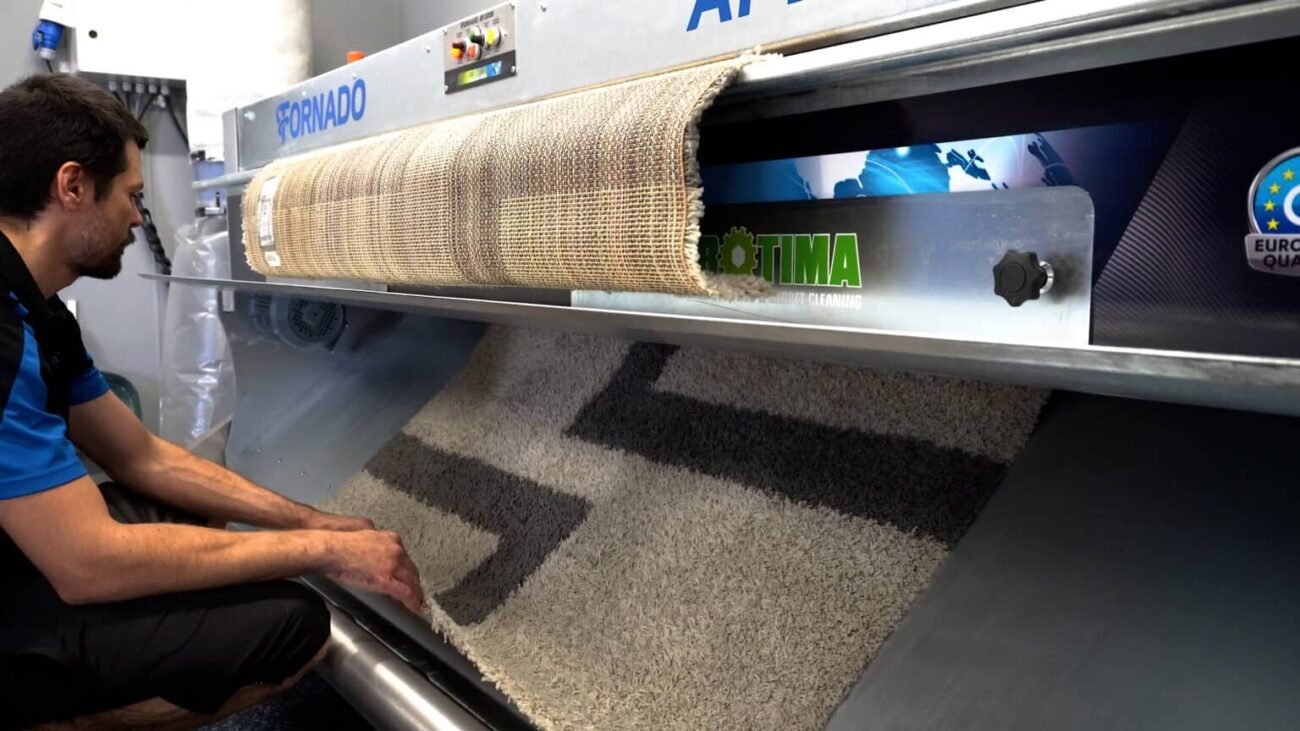
While professional restoration is necessary for structural repairs, you can protect your rug’s fringes between cleanings with a few mindful habits:
- Vacuum with Care: Never run a vacuum cleaner back and forth over the fringe. Instead, use the upholstery attachment and vacuum carefully from the center of the rug outward toward the fringe.
- Avoid Pulling Loose Threads: If a stray thread pops up, use sharp embroidery scissors to snip it flush rather than pulling it, which can unravel a whole chain of knots.
- Use Rug Stops: Keep rugs stable on hard floors to prevent sliding and curling, which exposes the fringes to excessive crushing under foot traffic.
Frequently Asked Questions
1. Can dirty fringes be whitened with bleach at home?
No. Household bleach contains harsh chlorine that destroys natural cotton fibers and eats away at the wool knots adjacent to the fringe, leading to permanent chemical damage.
2. Is fringe part of the rug’s actual structure?
Yes. The fringe is not sewn on afterward; it is literally the exposed ends of the warp threads that run through the entire length of the rug’s foundation.
3. How long does a professional fringe repair take?
The timeline varies depending on the extent of the damage. Minor overcasting can take a few days, while complete re-fringing requires meticulous hand-weaving and may take several weeks.
4. Will fringe repair lower the value of my antique rug?
Professional, historically accurate conservation and fringe repair actually preserves and protects the value of an antique rug by preventing further structural loss.
5. How can I keep my rug fringes clean?
Regular, gentle vacuuming away from the fringe edge and prompt professional immersion washing by specialists like Shabahang Rugs are the best ways to keep fringes looking bright.