
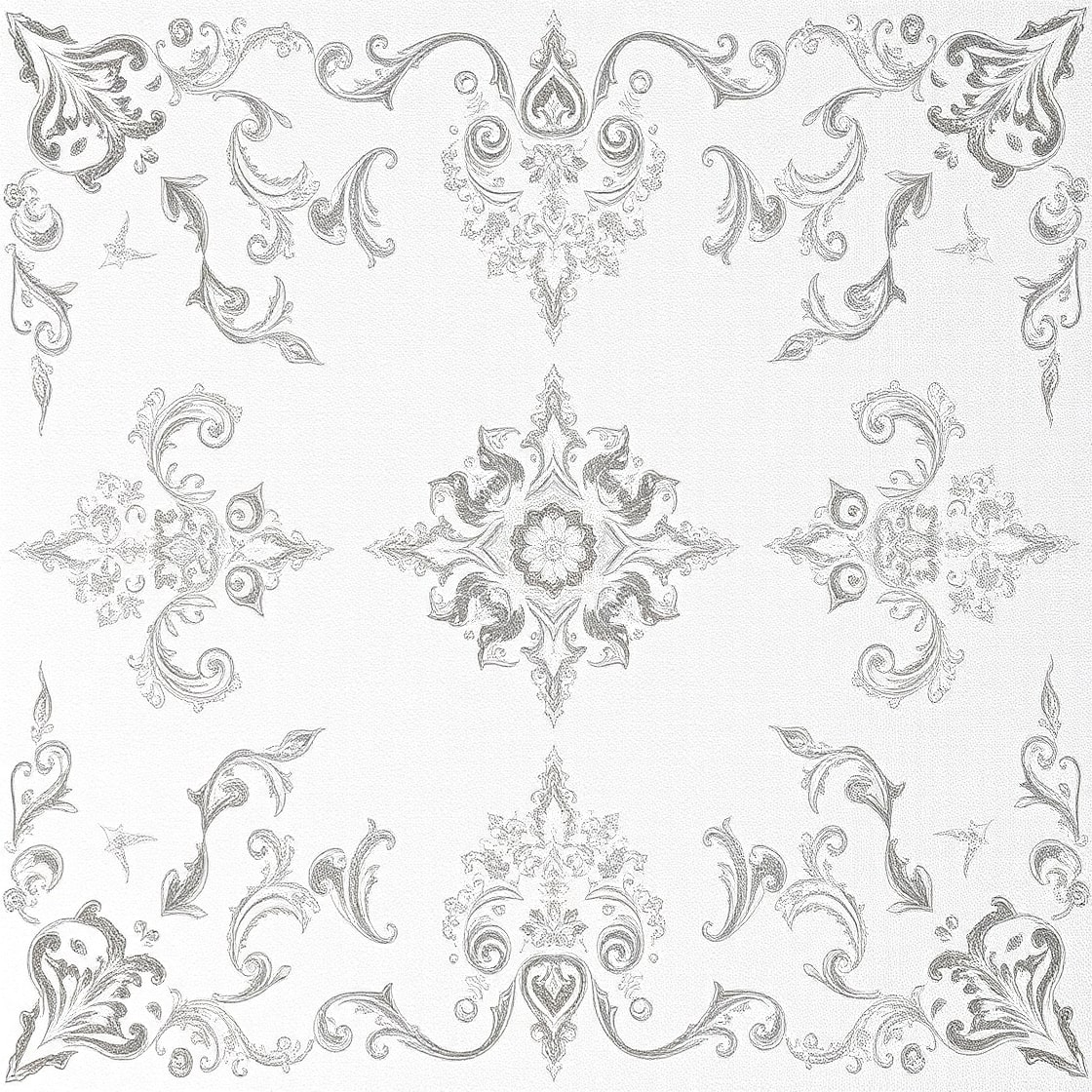
Wool vs. Silk: Choosing the Right Rug Material for Your Lifestyle
When investing in a high quality rug, one of the most important decisions is choosing the right material. Among the most popular options in luxury handmade rugs are wool and silk. Both materials have been used in Persian rugs for centuries and each offers unique advantages in terms of durability, appearance, and comfort.
Understanding the differences between wool and silk rugs can help homeowners choose a rug that fits their lifestyle, interior design preferences, and maintenance expectations. Some buyers prioritize durability and practicality while others prefer the refined beauty of a luxury rug.
In this guide, we will compare wool vs silk rugs in detail. You will learn how these natural fibers differ in durability, maintenance, texture, and cost so you can confidently choose the best rug material for your home.
Understanding Natural Rug Materials
High quality handmade rugs are typically crafted from natural fibers. Natural materials are valued for their durability, beauty, and ability to absorb dyes, which helps create intricate patterns and long lasting colors.
Two of the most respected materials used in Persian carpets are wool fiber and silk fiber. Both play an important role in traditional rug weaving techniques and are commonly used in hand knotted rugs.
What Are Wool Rugs
Wool rugs are made from natural sheep wool fibers. This material has been widely used in Persian rugs for centuries because of its resilience and natural softness.
One of the key advantages of wool is the presence of lanolin. Lanolin is a natural oil found in wool fibers that provides stain resistance and helps repel dirt. This quality makes wool rugs a practical choice for everyday living spaces.
Wool rugs are also known for their durability. The fibers are elastic and resilient, which allows them to maintain their shape even in busy households. Because of these qualities, handmade wool rugs are often used in living rooms, hallways, and other high traffic areas.
Another reason wool is popular in Persian carpets is its ability to absorb natural dyes. This allows artisans to create rich colors and intricate patterns that remain vibrant for decades.
What Are Silk Rugs
Silk rugs are crafted from natural silk fibers that come from silkworm cocoons. These fibers are extremely fine and strong, which allows artisans to create highly detailed designs with very high knot density.
The most distinctive feature of silk rugs is their lustrous sheen. Silk reflects light in a way that gives the rug a subtle glow and enhances the depth of the design. This elegant appearance makes silk rugs a popular choice for luxury interiors.
Because silk fibers are delicate compared to wool, silk rugs are usually placed in low traffic areas such as bedrooms, formal living rooms, or decorative spaces.
Many silk rugs also feature extremely high knot density measured in knots per square inch. This allows for incredibly intricate patterns and fine artistic detail that is difficult to achieve with other materials.
Key Differences Between Wool and Silk Rugs
While both materials are used in luxury handmade rugs, they serve different purposes. Understanding the key differences between wool rugs and silk rugs can help buyers select the right option for their home.
Durability and Longevity
Durability is one of the most important factors when choosing a rug.
Wool rugs are known for their high durability. The fibers are naturally resilient and can handle daily use without losing their structure. With proper care, a hand knotted wool rug can last 25 to 50 years or even longer.
Silk rugs also have strong fibers but they are more delicate in everyday use. Because silk rugs are often woven with extremely high knot density, they are structurally strong but can still be sensitive to heavy foot traffic.
For this reason, wool rugs are typically recommended for busy households while silk rugs are better suited for decorative or low traffic areas.
Appearance and Texture
The visual difference between wool and silk rugs is immediately noticeable.
Wool rugs have a soft, dense, and plush texture. Their surface usually has a matte finish that gives the rug a warm and inviting look. This makes wool rugs ideal for cozy spaces such as living rooms or family rooms.
Silk rugs, on the other hand, have a smooth and delicate texture. Their surface reflects light and produces a glossy appearance that highlights the complexity of the design.
Because of this sheen, silk rugs are often considered luxury rugs that elevate the elegance of a room.
Comfort and Warmth
Comfort is another important factor when choosing a rug for your home.
Wool rugs provide natural insulation and warmth. Wool fibers trap air and help regulate temperature, making them comfortable underfoot in colder climates.
Silk rugs feel smooth and lightweight. While they are soft to the touch, they do not provide the same level of insulation as wool rugs.
For rooms where warmth and comfort are a priority, wool rugs are usually the preferred option.

Maintenance and Cleaning Requirements
Maintenance needs vary depending on the material of the rug. Understanding proper rug care helps extend rug longevity and preserve its appearance.
Maintaining Wool Rugs
Wool rugs are relatively easy to maintain compared to other natural fibers.
Regular vacuuming helps remove dirt and dust from the surface. Because wool contains natural lanolin, it naturally resists many stains and dirt particles.
For small spills, spot cleaning with gentle solutions can help prevent stains from setting into the fibers.
Occasional professional rug cleaning is recommended to remove deep dirt and maintain the rug’s color and texture.
With consistent care, wool rugs can remain beautiful for decades.
Maintaining Silk Rugs
Silk rugs require more delicate care.
Because silk fibers can be sensitive to moisture, spills should be addressed quickly and carefully. Harsh cleaning products should always be avoided.
Silk rugs should not be placed in areas with heavy foot traffic or frequent exposure to dirt.
Professional rug cleaning is strongly recommended for silk rugs to protect the delicate fibers and preserve the intricate weaving.
When maintained properly, silk rugs can retain their beauty and detail for many years.
Cost Comparison: Wool vs Silk Rugs
Price is often a major consideration when purchasing a luxury rug.
Wool rugs typically fall into a moderate to high price range depending on the craftsmanship, size, and knot density. Handmade wool rugs can still be considered an investment, but they are generally more accessible than silk rugs.
Silk rugs are among the most expensive types of handmade rugs. The cost reflects several factors including the rarity of silk fibers, the labor intensive weaving process, and the extremely high knot density required to create intricate patterns.
Artisans often spend months or even years weaving a single silk rug. This craftsmanship contributes to the higher price per square foot.
Despite the higher cost, silk rugs are valued as artistic pieces and are often considered collectible investments.
Best Material Based on Lifestyle
The ideal rug material often depends on how and where the rug will be used.
Best Rugs for Busy Homes
Wool rugs are the best choice for busy homes.
Their durability and stain resistance make them suitable for living rooms, hallways, and other high traffic areas. Wool fibers can withstand everyday wear while maintaining their appearance.
Best Rugs for Luxury and Formal Spaces
Silk rugs are perfect for formal rooms or luxury interiors.
Their elegant sheen and intricate patterns make them ideal for bedrooms, formal living rooms, or decorative spaces where the rug serves as a centerpiece.
Best Rugs for Families with Kids or Pets
Families with children or pets usually benefit from choosing wool rugs.
Wool fibers are more forgiving when it comes to spills, dirt, and frequent use. The natural resilience of wool helps the rug maintain its structure over time.
Wool and Silk Blend Rugs: A Balanced Option
Some Persian rugs combine wool and silk fibers to create a balanced design.
In these rugs, wool often forms the foundation of the rug while silk is used to highlight details in the pattern. This combination provides both durability and visual elegance.
Wool and silk blend rugs allow artisans to enhance specific design elements while still maintaining the practical durability of wool.
These rugs are highly valued in Persian rug craftsmanship because they combine functionality with artistic beauty.
How to Choose the Right Rug for Your Home
Selecting the best rug material depends on several factors.
Foot traffic
Consider how frequently the rug will be used. High traffic areas benefit from durable materials such as wool.
Budget
Silk rugs are significantly more expensive than wool rugs. Determining your budget can help narrow your options.
Maintenance commitment
Some homeowners prefer rugs that require minimal care. Wool rugs are generally easier to maintain than silk rugs.
Interior design style
Wool rugs create a warm and comfortable atmosphere while silk rugs add elegance and visual sophistication.
Taking these factors into account will help you select a rug that complements both your home and your lifestyle.
Why Handmade Persian Rugs Use Wool and Silk
Traditional Persian carpets often feature wool, silk, or a combination of both materials. These natural fibers have been favored by artisans for centuries because of their durability, dye absorption, and beauty.
Wool works well for the structural foundation of a rug because it is strong and resilient. Silk is often used to enhance design details due to its fine texture and ability to produce extremely high knot density.
At Shabahang Rugs, many collections showcase the artistry of handmade Persian rugs crafted with premium wool and silk. Skilled artisans use traditional weaving techniques to create rugs that combine longevity with intricate design.
These rugs represent generations of craftsmanship and remain valued pieces in luxury interior design.
Final Thoughts: Wool or Silk Which Is Right for You
Choosing between wool and silk rugs ultimately depends on your priorities.
Wool rugs offer durability, practicality, and natural stain resistance. They are ideal for busy households and high traffic areas where resilience is essential.
Silk rugs offer unmatched elegance and intricate craftsmanship. Their luminous appearance and fine detail make them perfect for decorative spaces and luxury interiors.
Both materials have a long history in Persian rug weaving and each provides unique benefits. By understanding the differences between wool and silk rugs, you can choose the material that best fits your lifestyle and design preferences.
Frequently Asked Questions
Are wool rugs better than silk rugs?
Wool rugs are generally more practical for everyday use because they are durable and resistant to stains. Silk rugs are valued for their luxurious appearance and intricate craftsmanship.
Do silk rugs last as long as wool rugs?
Silk rugs can last for decades when placed in low traffic areas and maintained carefully. However, wool rugs tend to perform better in areas with frequent use.
Which rug material is best for high traffic areas?
Wool rugs are the best option for high traffic areas because they are resilient and naturally resistant to stains and dirt.
Why are silk rugs more expensive?
Silk rugs are more expensive because silk fibers are rare and require highly skilled weaving techniques with extremely high knot density. This craftsmanship increases both the time and cost required to produce each rug.