
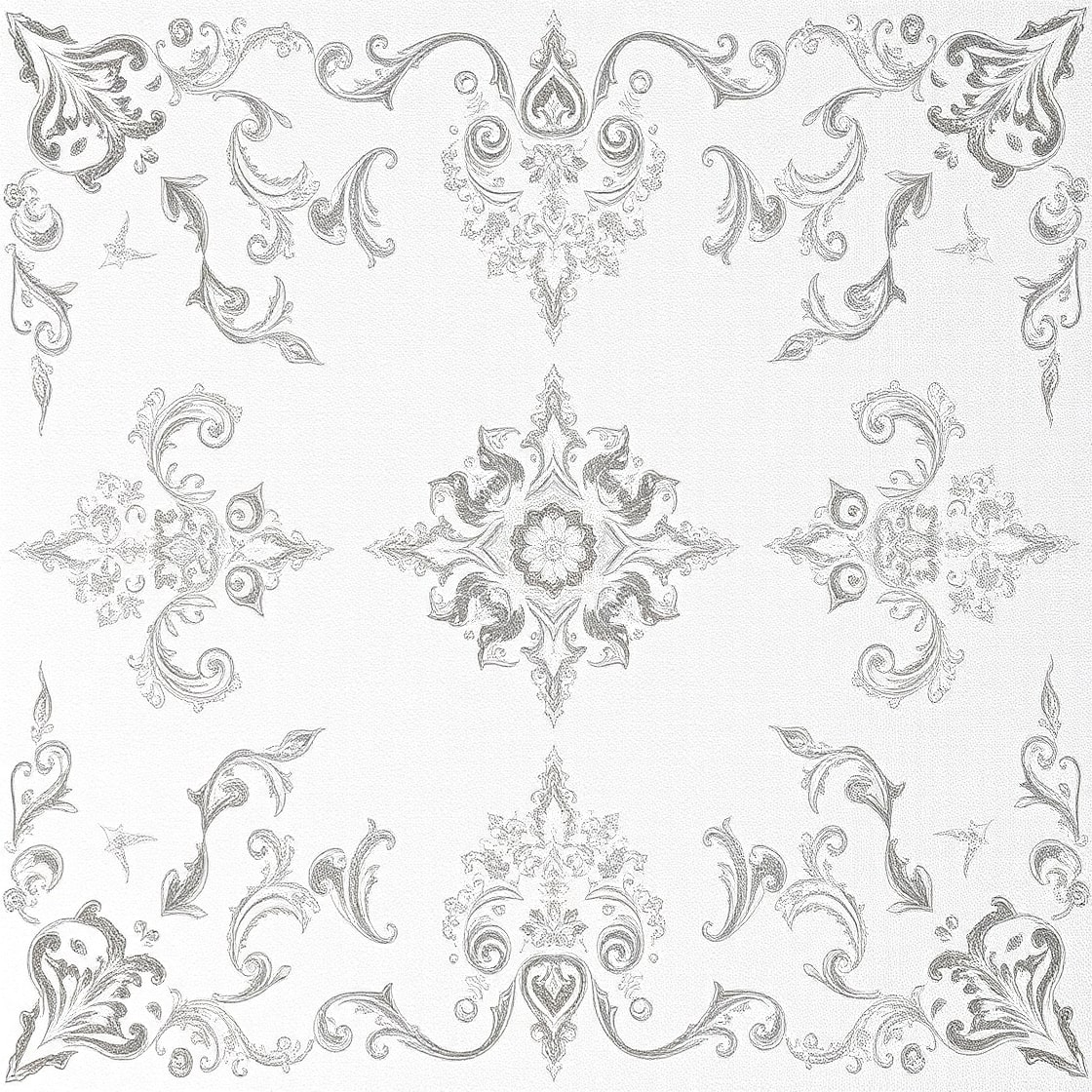
Persian rugs are admired across the world for their intricate craftsmanship, luxurious materials, and timeless beauty. Yet beyond their decorative appeal lies something even more fascinating. Every motif woven into a traditional Persian carpet carries meaning.
For centuries, Persian weavers have used patterns and symbols to express cultural values, spiritual beliefs, and personal stories. A Persian rug can represent prosperity, protection, love, or the connection between earth and heaven. These meanings transform each rug into more than a floor covering. They become visual narratives woven into textile art.
Understanding Persian rug symbols allows collectors, homeowners, and interior designers to appreciate the deeper cultural heritage behind each piece. It also helps buyers recognize the artistry and symbolism that make authentic Persian carpets so valuable.
This guide explores the most important Persian rug motifs and their meanings, from the famous Boteh pattern to the spiritual Tree of Life.
Why Persian Rugs Contain Hidden Symbolism
Persian carpets have long served as artistic storytelling mediums. For generations, master weavers incorporated symbolic imagery that reflected beliefs, traditions, and hopes for the future.
Many of these motifs originate from ancient Persian culture, including influences from Zoroastrian symbolism, Islamic artistic traditions, and classical Persian garden design.
Several reasons explain why symbolism plays such a central role in Persian rug design.
Storytelling tradition
Historically, carpets were one of the most expressive art forms available to artisans. Since written narratives were not always accessible, symbolism allowed weavers to communicate ideas through patterns.
Representation of nature
Many Persian rug motifs reflect natural elements such as flowers, trees, birds, and water. These designs often symbolize life, growth, fertility, and abundance.
Spiritual expression
Religious beliefs influenced many carpet designs. Islamic geometric art and spiritual symbolism often appear in motifs that represent protection, paradise, or divine harmony.
Regional identity
Different weaving regions developed unique symbolic traditions. Cities such as Tabriz, Kashan, Kerman, and Qom became known for distinctive motifs and patterns.
Because of this cultural richness, every authentic Persian rug contains layers of meaning that go far beyond decoration.
The Most Common Persian Rug Symbols and Their Meanings
Certain motifs appear repeatedly across Persian carpet traditions. Each carries a specific symbolic message rooted in Persian history and art.
Boteh (Paisley) Symbol
The Boteh motif is one of the most recognizable symbols in Persian rug design. Its shape resembles a curved teardrop or flame and is often associated with the later Paisley textile pattern that became popular in Europe.
Symbolic meanings
Fertility and new life
Eternity and continuity
The sacred flame of life
A stylized cypress tree representing strength
The Boteh motif appears frequently in rugs from regions such as Kerman and Qom. Over time it became an iconic element of Persian carpet iconography and eventually influenced textile patterns around the world.
Tree of Life Motif
The Tree of Life is one of the most powerful spiritual symbols in Persian carpet design.
In many rugs the tree rises vertically through the field of the carpet. Its roots are shown below while branches extend upward toward the sky.
Symbolic meanings
Connection between earth and heaven
Spiritual growth and enlightenment
Immortality and eternal life
The Tree of Life motif reflects the belief that life is interconnected and that spiritual knowledge grows like a tree reaching toward the heavens.
Herati Pattern (Fish Motif)
The Herati pattern is a classic design widely used in Persian carpets. It features a central rosette surrounded by four leaves or fish shapes arranged around a diamond structure.
Symbolic meanings
Water and fertility
Abundance and prosperity
Harmony within nature
The fish like shapes are believed to represent life within water sources that nourish gardens and farmland. This connection to water symbolizes prosperity and sustenance.
Herati patterns appear in many traditional rugs, particularly those produced in Herat and nearby weaving regions.
Mihrab Prayer Rug Design
The Mihrab motif is commonly found in Persian prayer rugs. It features an arch shaped niche that resembles the architectural design found in mosques.
Symbolic meanings
Gateway to paradise
Spiritual focus during prayer
Connection to divine presence
The arch of the Mihrab creates a visual direction that guides the person praying toward a sacred spiritual space. This design transforms the carpet into a symbolic place of devotion.
Floral Symbols in Persian Rugs
Flowers play a central role in Persian carpet design. These motifs are often inspired by the concept of the Persian paradise garden, a symbolic landscape representing beauty, harmony, and spiritual bliss.
Many Safavid era carpets feature elaborate floral arrangements that mirror the layout of formal gardens.
Lotus
Meaning: rebirth and spiritual awakening.
The lotus flower represents renewal and enlightenment. It symbolizes the idea that beauty and wisdom can emerge even from difficult conditions.
Peony
Meaning: wealth, honor, and prosperity.
The peony motif became popular in Persian carpets influenced by trade along the Silk Road. Its lush appearance makes it a symbol of abundance and luxury.
Tulip
Meaning: devotion and prosperity.
Tulips appear frequently in Persian decorative arts and represent passionate love and loyalty.
Pomegranate
Meaning: fertility and abundance.
The pomegranate tree has long been associated with prosperity and family growth in Persian culture. Its many seeds symbolize life and continuity.
These floral patterns collectively represent the beauty of paradise gardens described in Persian literature and art.

Animal Symbols in Persian Carpets
Animals often appear in Persian rug imagery as symbolic figures representing strength, protection, or happiness.
Peacock
Meaning: immortality and divine protection.
Peacocks are associated with eternal life and spiritual guardianship in Persian mythology.
Lion
Meaning: strength, courage, and royal power.
The lion has long symbolized authority in Persian history and frequently appears in traditional carpets and royal emblems.
Birds
Meaning: happiness, love, and good fortune.
Birds often represent freedom and spiritual transcendence. In Persian poetry they symbolize the soul’s journey toward enlightenment.
Dogs
Meaning: loyalty and guardianship.
Dogs represent faithful protection and companionship, making them powerful symbols in narrative carpets.
Geometric Symbols and Protective Motifs
Persian rug designs often incorporate geometric symbols that reflect spiritual ideas or offer protection from negative forces.
Star
Meaning: spirituality and cosmic order.
Star motifs symbolize the universe and the harmony that governs it. They often represent divine guidance and good fortune.
Diamond
Meaning: family unity and femininity.
The diamond shape is sometimes interpreted as representing the female form and the importance of family bonds.
Amulet
Meaning: protection against the evil eye.
Triangular amulet motifs are woven into carpets as protective charms. They are believed to guard the household from negative energy or misfortune.
The Meaning of Colors in Persian Rugs
Color choices in Persian carpets are rarely random. Traditional dyes and pigments were carefully selected to communicate emotional or symbolic meaning.
Red
Joy
Wealth
Courage and vitality
Red is one of the most common colors in Persian carpets and often represents celebration and passion.
Blue
Spirituality
Truth
The afterlife
Blue reflects the heavens and symbolizes wisdom and calmness.
White
Purity and innocence.
White highlights often appear in borders or floral elements to create balance and clarity.
Yellow
Power and glory.
Golden tones represent sunlight and royal authority.
Black
Protection or mourning.
Black outlines and accents provide visual structure while sometimes symbolizing strength or protection.
Regional Differences in Persian Rug Symbolism
Different Persian weaving regions developed distinctive design traditions. Recognizing these regional styles can reveal more about the story behind a rug.
Tabriz rugs
Tabriz carpets are known for detailed floral compositions and sophisticated medallion designs. Their symbolism often reflects classical Persian artistic traditions.
Kashan rugs
Kashan carpets frequently feature central medallions surrounded by elaborate garden patterns inspired by Persian paradise gardens.
Kerman rugs
Kerman rugs often display complex storytelling through intricate floral arrangements and narrative scenes.
Qom silk rugs
Qom carpets are famous for their fine silk craftsmanship and frequently incorporate religious or spiritual symbolism.
These regional differences highlight the diversity of Persian carpet artistry and cultural heritage.
How to Read the Story Behind a Persian Rug
Every authentic Persian carpet contains a story woven into its patterns. Learning to interpret these details can reveal the meaning behind the design.
Identify the central motif
The main symbol located in the center often represents the primary theme of the rug.
Analyze border patterns
Borders frequently contain repeating protective symbols or symbolic flowers that frame the central design.
Observe colors and materials
Color choices can reveal emotional or spiritual themes within the rug.
Consider the rug’s origin
Knowing the weaving region helps interpret the symbolic style and artistic influences.
Through these observations, collectors and enthusiasts can uncover the cultural narrative hidden within each carpet.
Why Symbolism Makes Persian Rugs So Valuable
Persian rugs are treasured not only for their craftsmanship but also for the stories they tell.
Several factors contribute to their lasting value.
Cultural heritage
Each carpet reflects centuries of Persian art, history, and tradition.
Handmade craftsmanship
Authentic Persian rugs are carefully hand-knotted by skilled artisans using techniques passed down through generations.
Artistic storytelling
The symbolic motifs transform each carpet into a meaningful cultural artifact.
Collectible investment value
Because of their artistic and historical significance, fine Persian carpets are often sought after by collectors and interior designers.
This combination of beauty, symbolism, and craftsmanship makes Persian rugs among the most respected textile artworks in the world.
Discover Authentic Persian Rugs at Shabahang Royal Carpets
Understanding the meanings behind Persian rug symbols adds a deeper level of appreciation when choosing a carpet for your home or collection.
At Shabahang Royal Carpets, every rug reflects the rich heritage of Persian weaving traditions. From intricate floral gardens to symbolic Tree of Life designs, these hand-knotted masterpieces preserve centuries of artistry and cultural storytelling.
Explore the collection to discover authentic Persian rugs that combine timeless beauty with meaningful symbolism. Whether you are a collector, interior designer, or homeowner seeking a statement piece, the right carpet can bring both elegance and cultural depth into your space.