
When it comes to maintaining valuable floor coverings, rug cleaning myths to avoid can make the difference between preserving a cherished heirloom and causing irreparable damage. Many well-intentioned rug owners unknowingly follow misguided advice that puts their investments at risk. Understanding the truth behind these common misconceptions is essential for anyone who wants to protect the beauty, integrity, and value of their rugs for generations to come.
Why Rug Cleaning Myths Are So Dangerous
Rugs represent significant financial and emotional investments. A handwoven Persian or Oriental rug can appreciate in value over time, becoming a family treasure passed down through generations. However, a single cleaning mistake based on misinformation can destroy decades of craftsmanship in minutes.
The cost of irreversible damage from improper cleaning far exceeds the expense of professional care. Color bleeding, fiber degradation, shrinkage, and structural weakening are just some of the consequences that can result from following popular but harmful rug care misconceptions.
The internet has made misinformation more accessible than ever. Social media cleaning “hacks” and DIY tutorials often overlook the complexities of different rug materials, dyes, and construction methods. What works for synthetic carpeting can devastate a delicate silk or wool masterpiece.
All Rugs Can Be Cleaned the Same Way
Perhaps the most dangerous assumption is that all rugs respond similarly to cleaning methods. This couldn’t be further from the truth.
Handmade rugs differ dramatically from machine-made varieties in construction, materials, and dyes. A hand-knotted Persian rug requires entirely different care than a synthetic area rug from a retail store. Natural fibers like wool, silk, cotton, and viscose each have unique properties and vulnerabilities.
The weaving technique matters tremendously. Flatweave rugs like kilims need gentler handling than pile rugs. Antique rugs with fragile foundations require specialized attention that modern rugs don’t. Even the dyes used—natural versus synthetic—determine which cleaning approaches are safe.
Treating all rugs identically ignores these critical differences and frequently results in damage that professional restoration cannot reverse.
Steam Cleaning Is Safe for Every Rug
Steam cleaning works wonderfully for wall-to-wall synthetic carpeting, leading many to assume it’s appropriate for all floor coverings. This represents one of the most prevalent rug care misconceptions.
The combination of high heat and moisture creates serious risks for many rug types. Excessive heat can cause natural fibers to shrink, sometimes dramatically and unevenly. Water saturation may trigger dye bleeding, especially in rugs with natural or unstable dyes.
The backing and foundation of handmade rugs aren’t designed to withstand the moisture levels that steam cleaning introduces. This can lead to rot, mildew, and structural deterioration that compromises the entire rug.
Professional rug specialists understand which materials can tolerate moisture and heat, and they adjust their methods accordingly—something a rental steam cleaner cannot do.
DIY Cleaners Are Just as Safe as Professionals
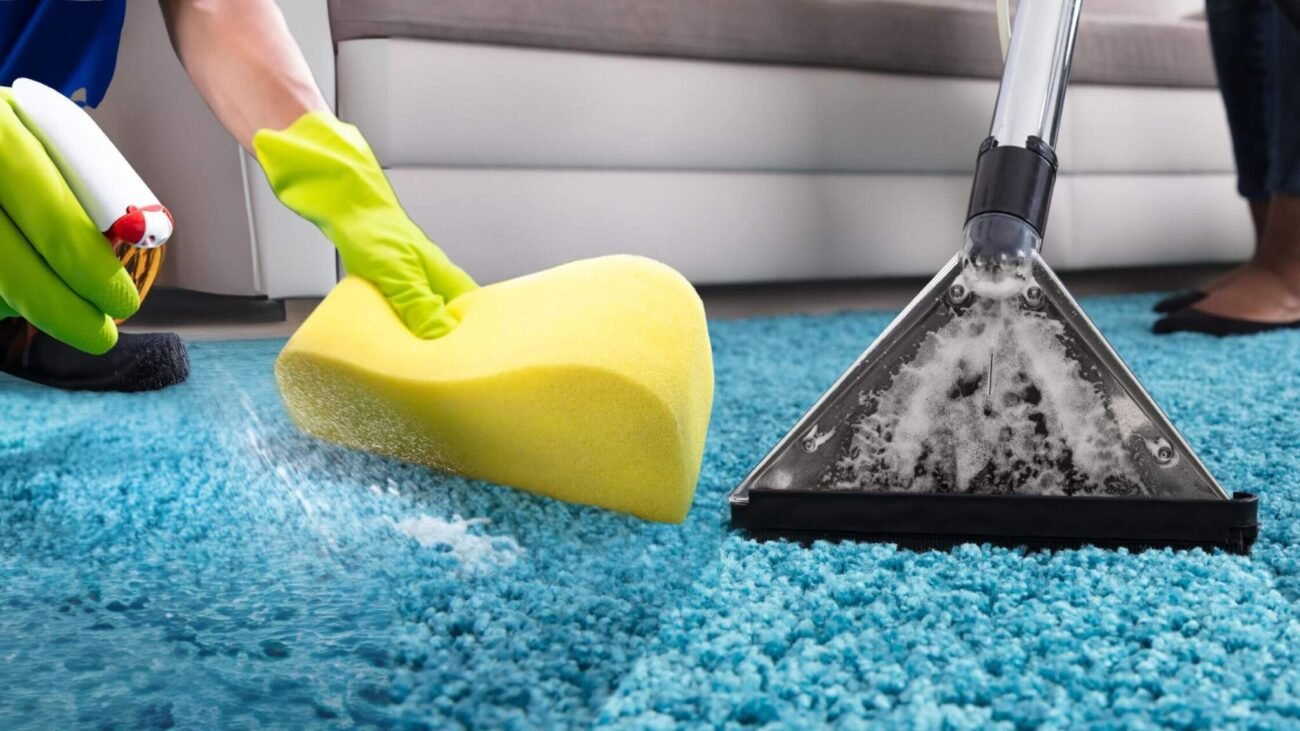
The appeal of DIY rug cleaning risks is understandable—it seems economical and convenient. However, household cleaning products pose significant threats to valuable rugs.
Many common cleaners contain harsh chemicals that break down natural fibers, strip protective oils from wool, or alter dye chemistry. Products designed for hard surfaces or synthetic materials can be devastating when applied to delicate handwoven textiles.
Equally problematic is residue control. Without proper extraction equipment, DIY cleaning often leaves soap residue embedded in fibers. This residue attracts dirt more quickly, creating a cycle where the rug appears to soil faster after each cleaning attempt.
Professional rug cleaners use pH-balanced solutions specifically formulated for textile fibers and have the equipment to thoroughly rinse away all cleaning agents.
Frequent Cleaning Weakens Rugs
Some owners avoid professional cleaning, fearing that the process itself damages their rugs. This misunderstanding often stems from confusing proper maintenance with over-cleaning.
The truth is that dirt particles embedded in rug fibers act like sandpaper, grinding away at the wool or silk with every footstep. This abrasion causes far more damage than appropriate cleaning ever could. Regular professional maintenance actually extends rug life by removing these destructive particles.
The key word is “appropriate.” A qualified specialist knows how often each rug type needs cleaning based on foot traffic, fiber content, and environmental factors. Following expert recommendations protects rather than harms your investment.
Vacuuming Is Enough
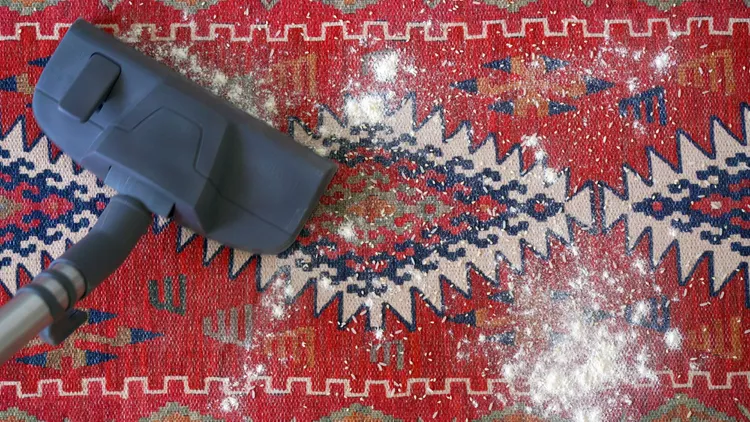
While regular vacuuming is essential for surface maintenance, believing it provides complete care is dangerously misleading.
Vacuum cleaners remove surface debris but cannot extract the grit that works its way deep into the foundation. This embedded dirt continues abrading fibers from within, causing gradual but cumulative damage. Over years, this hidden wear significantly reduces a rug’s lifespan and appearance.
Additionally, vacuuming does nothing to address oils, allergens, bacteria, or odors that accumulate in rugs over time. Only professional deep cleaning can truly refresh and sanitize these textiles.
Sun-Drying Rugs Is the Best Option
The practice of hanging wet rugs in direct sunlight to dry seems natural and cost-free. Unfortunately, it’s also one of the fastest ways to cause rug damage from improper cleaning.
Ultraviolet radiation breaks down textile fibers and causes irreversible color fading. While sunlight effectively kills bacteria and removes moisture, it simultaneously degrades the very materials you’re trying to preserve.
Natural dyes are particularly vulnerable to UV damage. Even a few hours of direct sun exposure can noticeably lighten colors that took artisans weeks to perfect.
Professional facilities use climate-controlled drying rooms that protect rugs from UV exposure while ensuring proper airflow prevents mildew and maintains structural integrity.
Old Stains Can’t Be Safely Removed
Many rug owners resign themselves to living with set-in stains, believing removal attempts will cause more harm than good. While aggressive home remedies often do make matters worse, this doesn’t mean old stains are permanent.
Professional rug cleaning facts reveal that specialists have access to techniques and solutions unavailable to consumers. They can identify stain composition and apply targeted treatments that break down even aged discoloration without damaging surrounding fibers.
The difference lies in controlled treatment versus desperate scrubbing. Harsh rubbing damages fiber structure and can spread stains deeper into the pile. Expert technicians understand how to coax stains out gently, preserving the rug’s integrity throughout the process.
Professional Cleaning Reduces Rug Value
Some collectors worry that any cleaning diminishes a rug’s value, particularly for antiques. In reality, the opposite is true when proper methods are employed.
Accumulated dirt, stains, and odors significantly reduce a rug’s market value and aesthetic appeal. A well-maintained rug commands higher prices and provides greater enjoyment than a neglected one.
Professional cleaning by qualified specialists actually protects your rug investment by preserving colors, preventing fiber degradation, and maintaining structural soundness. Documentation of proper care can even enhance resale value by demonstrating responsible ownership.
The key is choosing specialists who understand the unique requirements of valuable textiles and employ appropriate conservation techniques.
What Actually Protects Your Rug Investment
Protecting handmade rugs requires knowledge, proper equipment, and experience that most homeowners simply don’t possess.
Expert inspection is the foundation of proper care. Professionals examine fiber content, dye stability, structural condition, and specific vulnerabilities before determining the safest cleaning approach for each individual rug.
Correct cleaning methods vary dramatically based on these factors. What works for one rug may destroy another. Specialists match techniques to each rug’s unique characteristics, ensuring thorough cleaning without risk.
Safe drying and post-cleaning maintenance are equally critical. Controlled environments prevent mildew while protecting against UV damage and over-drying that can make fibers brittle.
Protect Your Treasured Rugs with Shabahang Rugs
At Shabahang Rugs, we understand that your rugs represent more than floor coverings—they’re investments in beauty, craftsmanship, and cultural heritage. Our decades of experience with fine handmade rugs have taught us exactly how to care for these treasures without falling prey to the rug cleaning myths to avoid damaging so many valuable pieces.
Our specialists use time-tested methods specifically designed for handwoven textiles, ensuring your rugs receive the gentle yet thorough care they deserve. We never apply one-size-fits-all approaches, instead evaluating each rug individually and customizing our cleaning process to its unique needs. Contact us today to schedule a professional consultation and discover how proper care can preserve and enhance your rug’s beauty and value.
Contact Shabahang Rugs
Call now: (847) 256-5205
Address: 3207 Lake Avenue, Wilmette, IL 60091
Request a free Quote: Shabahang Rugs
Frequently Asked Questions
What is the safest way to clean expensive rugs?
The safest approach is professional cleaning by specialists experienced with handmade rugs. They assess fiber content, dye stability, and structural condition before selecting appropriate methods. For routine maintenance, gentle vacuuming without a beater bar and prompt attention to spills using plain water and blotting (never rubbing) helps between professional cleanings.
How can I tell if my rug was cleaned incorrectly?
Warning signs include color bleeding or running, noticeable shrinkage, stiff or brittle fibers, lingering chemical odors, rapid re-soiling, or visible watermarks. If colors seem duller or the rug doesn’t lie flat after cleaning, these indicate improper methods were used.
Are natural cleaners safer for rugs?
Not necessarily. While “natural” sounds appealing, substances like vinegar, baking soda, and lemon juice can alter pH levels, affect dyes, and leave residues that attract dirt. Even natural substances can damage delicate fibers if used incorrectly. Professional-grade, pH-balanced solutions designed specifically for textile cleaning are actually safer.
How often should investment rugs be cleaned?
Most quality rugs benefit from professional cleaning every 1-3 years, depending on foot traffic, household conditions, and whether you have pets. High-traffic areas may need annual attention, while rugs in formal spaces might go longer. A specialist can provide personalized recommendations based on your specific situation.
Can damage from myths be repaired?
It depends on the damage type and severity. Color bleeding, severe shrinkage, and fiber degradation are often irreversible. Some issues like residue buildup or minor staining can be corrected by professionals. This is why prevention through proper care is infinitely preferable to attempting repairs after damage occurs.