
Living in a flood-prone area presents unique challenges for homeowners, especially when it comes to maintaining valuable textiles like area rugs. Flood zone rug cleaning requires specialized attention because exposure to excess moisture creates conditions where mold, mildew and bacteria thrive rapidly. Unlike routine maintenance, rugs affected by flooding or persistent dampness need immediate professional intervention to prevent irreversible damage and health hazards.
Understanding how water exposure affects rug fibers, foundations and overall integrity is essential for protecting your investment and maintaining a healthy indoor environment.
Why Rugs in Flood Zones Face Unique Risks
Rugs positioned in flood-prone areas encounter environmental stressors that accelerate deterioration and contamination. These challenges extend beyond occasional spills or tracked-in dirt.
Prolonged moisture exposure is perhaps the most damaging factor. When floodwaters enter a home, rugs act like sponges, absorbing water deep into their fibers, backing and padding. This saturation can persist for days or weeks if not addressed promptly, creating an ideal breeding ground for microorganisms.
Contaminated floodwater adds another layer of complexity. Unlike clean water from a broken pipe, floodwater typically contains sewage, chemicals, pesticides and bacteria from outside sources. These contaminants penetrate rug fibers and can pose serious health risks even after the surface appears dry.
Increased humidity levels in flood-prone regions mean rugs never fully dry between weather events. This constant dampness weakens natural fibers, encourages dust mite populations and creates persistent musty odors that permeate living spaces.
Types of Water Exposure That Affect Rugs
Not all moisture problems originate from major flooding events. Several scenarios can compromise rug condition in high-risk areas.
Floodwater intrusion represents the most severe threat, bringing large volumes of contaminated water that saturate rugs completely. The combination of volume and contamination makes professional restoration essential rather than optional.
Basement moisture affects rugs placed in below-grade spaces where groundwater seepage and poor ventilation create chronically damp conditions. Even without visible flooding, this persistent humidity gradually damages fibers and promotes mold growth.
Plumbing leaks from washing machines, water heaters, or pipes often go unnoticed until significant water has accumulated beneath and within rugs. The hidden nature of these leaks means damage progresses silently.
High humidity and condensation occur naturally in coastal and low-lying areas. During humid months, rugs absorb moisture from the air itself, remaining perpetually damp without direct water contact.
How Moisture Penetrates Rug Fibers & Foundations
Understanding moisture movement through rugs helps explain why surface drying proves insufficient.
Capillary action draws water upward through rug fibers much like a plant draws water through its roots. This means even if only the bottom edge contacts water, moisture can travel throughout the entire rug over time.
Padding and backing absorption creates hidden reservoirs of trapped water. The latex backing on machine-made rugs and the cotton foundation of hand-knotted pieces both retain moisture long after the visible pile appears dry.
Trapped moisture risks compound when rugs remain in place after water exposure. The weight of furniture or the rug’s own bulk prevents airflow, ensuring that dampness persists and deepens rather than evaporating.
Mold, Mildew & Bacteria Growth in Damp Rugs
Microorganism colonization represents the most serious consequence of moisture exposure, creating both health and structural problems.
Health risks from mold exposure include respiratory irritation, allergic reactions, asthma aggravation and immune system stress. Vulnerable individuals—children, elderly people and those with existing respiratory conditions—face heightened risks from moldy rugs.
Odor formation occurs as bacteria and mildew metabolize organic materials in rug fibers. This distinctive musty smell penetrates deeply and proves nearly impossible to eliminate with household cleaning methods alone.
Structural breakdown accelerates when microorganisms consume natural fibers like wool, cotton and silk. Mold literally digests these materials, weakening the rug’s foundation and causing irreparable holes, tears and disintegration.
Why Immediate Action Is Critical After Water Exposure
The window for successful rug restoration narrows quickly after moisture exposure. Delayed response dramatically increases both damage severity and restoration costs.
Time-sensitive damage begins within 24-48 hours as mold spores—always present in indoor environments—activate and multiply in damp conditions. What might be salvageable on day one often becomes a total loss by day three.
Preventing permanent staining requires rapid response. Floodwater contaminants bond with rug fibers as they dry, creating discoloration that professional cleaning cannot always reverse. The longer contaminated water remains, the deeper stains set.
Limiting microbial growth becomes exponentially harder as colonies establish themselves. Early intervention prevents spore proliferation that would otherwise require aggressive antimicrobial treatments or render the rug unsalvageable.
Why DIY Drying & Cleaning Often Fails
Well-intentioned homeowners frequently attempt to clean flood-damaged rugs themselves, usually with disappointing results.
Hidden moisture remains even after surface drying. Rental equipment lacks the extraction power to remove water from rug foundations and backing materials, leaving dampness that ensures mold development within days.
Incomplete sanitization occurs because household cleaning products cannot eliminate the bacteria and pathogens present in floodwater. Surface cleaning addresses visible dirt without reaching contamination deep in the pile.
Fiber distortion risks increase when inexperienced cleaners use excessive water or harsh scrubbing techniques. Handmade rugs especially suffer from color bleeding, pile crushing and foundation distortion under improper treatment.
How Professional Rug Cleaning Addresses Moisture Damage
Moisture-damaged rug cleaning requires specialized facilities, equipment and expertise that distinguish professional services from DIY attempts.
Moisture assessment begins with infrared scanning and moisture meters that reveal hidden dampness invisible to the naked eye. This diagnostic step ensures all affected areas receive appropriate treatment.
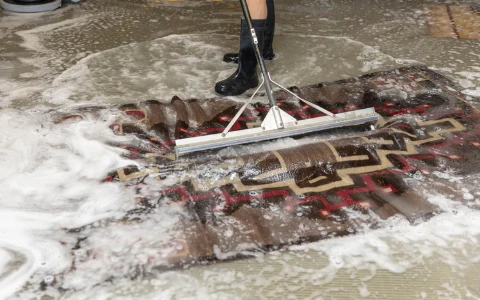
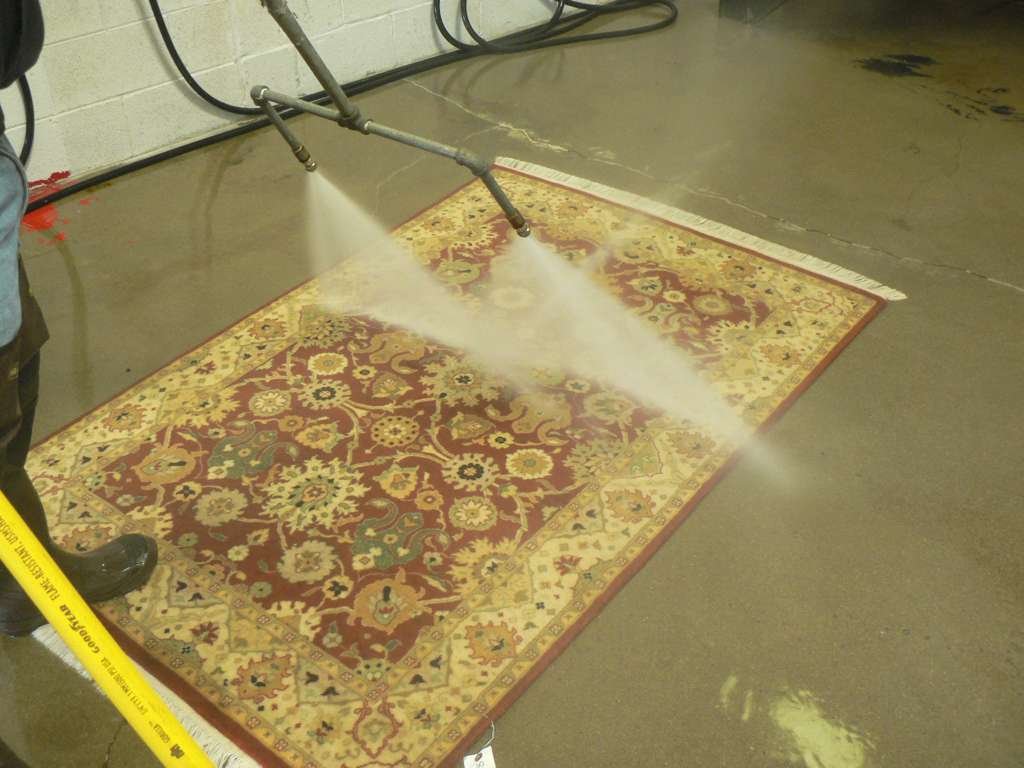
Controlled washing in submersion baths allows complete saturation and flushing of contaminants from deep within rug structures. This thorough cleansing addresses both visible soiling and hidden contamination that surface cleaning misses.
Anti-microbial treatments specifically formulated for textiles eliminate existing mold colonies and create hostile conditions for future growth. These professional-grade products prove far more effective than household alternatives.
Climate-controlled drying in temperature and humidity-regulated environments prevents both over-drying (which causes brittleness) and under-drying (which invites mold return). Proper drying can take several days but ensures complete moisture removal.
Special Considerations for Handmade & Natural Fiber Rugs
Artisan rugs face heightened vulnerability to moisture damage compared to synthetic alternatives.
Wool sensitivity to dampness stems from its protein-based structure. Wet wool becomes heavy, loses its natural resilience and provides ideal nutrients for mold growth. Persian, Turkish and other wool rugs require particularly careful handling after water exposure.
Natural dyes and bleeding risks increase dramatically when handmade rugs get wet. Vegetable and natural dyes that remain stable under normal conditions may run or transfer when saturated, creating permanent color damage if not handled by experienced professionals.
Fringe and foundation care demands special attention since these structural elements bear the rug’s weight. Water-damaged foundations lose strength and may tear under stress, while fringes—actually extensions of the foundation warps—become fragile and prone to breakage.
How Often Rugs in Flood Zones Should Be Cleaned
Professional rug cleaning after flooding should occur immediately, but even rugs without acute water damage benefit from adjusted maintenance schedules in high-risk areas.
Preventive maintenance schedules in flood-prone regions should include professional cleaning every 12-18 months rather than the standard 2-3 year interval. This frequency addresses accumulated humidity exposure before it causes significant problems.
Seasonal inspections before and after rainy seasons help catch developing moisture issues early. Professional assessments can detect hidden dampness and early mold formation invisible to untrained observers.
Humidity-based cleaning frequency may need adjustment based on your specific microclimate. Coastal homes, properties near bodies of water and areas with poor drainage often require more frequent professional attention than locations with better natural ventilation.
Long-Term Rug Protection in Moisture-Prone Areas
Prevention strategies significantly reduce the likelihood of severe moisture damage in flood zones.
Dehumidification through whole-house systems or portable units maintains indoor humidity below the 60% threshold where mold thrives. Keeping humidity between 30-50% protects rugs while maintaining comfort.
Proper rug pads create airflow space between rugs and flooring, allowing moisture to evaporate rather than becoming trapped. Choose pads specifically designed for moisture resistance rather than standard felt varieties that absorb and hold water.
Rotation and airflow prevent moisture accumulation in fixed positions. Moving furniture periodically and rotating rugs ensures all areas receive adequate ventilation and no section remains perpetually compressed against damp surfaces.
Experience Expert Care with Shabahang Rugs
When flood zone rug cleaning becomes necessary, partnering with specialists who understand both textile preservation and water damage restoration makes the difference between successful recovery and permanent loss. Shabahang Rugs brings decades of expertise in handling moisture-damaged textiles, combining traditional rug knowledge with modern restoration technology.
Our comprehensive approach begins with thorough damage assessment, continues through specialized cleaning and sanitization processes and concludes with proper drying in controlled environments. We understand that each rug—whether a family heirloom or contemporary investment—deserves individualized care based on its construction, materials and specific damage profile.
Beyond restoration services, Shabahang Rugs provides guidance on preventive measures tailored to your local conditions. Our team can recommend appropriate maintenance schedules, protective treatments and placement strategies that minimize future moisture risks while preserving your rugs’ beauty and value.
Shabahang Rugs Today
Don’t let flood damage or persistent moisture compromise your valuable rugs. Whether you’re dealing with acute water exposure or concerned about chronic humidity issues, Shabahang Rugs offers the specialized expertise needed to protect your textile investments.
Contact us today for a professional assessment of your rug’s condition and customized recommendations for cleaning, restoration, or preventive maintenance. Our experienced team is ready to help you navigate the unique challenges of maintaining beautiful rugs in moisture-prone environments, ensuring they remain healthy, vibrant and safe for years to come.
Contact Shabahang Rugs:
Call now: (847) 256-5205
Address: 3207 Lake Avenue, Wilmette, IL 60091
Request a free Quote: Shabahang Rugs
Frequently Asked Questions
Can rugs exposed to floodwater be safely restored?
Many flood-exposed rugs can be successfully restored if professional treatment begins within 48-72 hours. The key factors determining salvageability include water contamination level, duration of exposure, rug construction quality and fiber type. Handmade wool rugs generally respond better to restoration than synthetic alternatives, while rugs exposed to sewage-contaminated water face more significant challenges. Professional assessment provides the most accurate determination of restoration potential.
How long does mold take to grow in rugs?
Mold spores can activate and begin colonizing damp rugs within 24-48 hours of water exposure. Visible mold growth typically appears within 3-5 days under favorable conditions (warmth, darkness, organic material and moisture above 60% relative humidity). However, mold damage begins before colonies become visible, which is why immediate professional intervention after water exposure proves so critical for successful restoration.
Are antimicrobial treatments safe for rugs?
Professional-grade antimicrobial treatments formulated specifically for textiles are safe and effective for rug use. These treatments differ significantly from household products, using pH-balanced formulations that eliminate mold and bacteria without damaging natural fibers or dyes. Reputable rug cleaning specialists select products based on each rug’s specific materials and construction, ensuring both effective sanitization and fiber preservation.
Should flood-zone rugs be cleaned more frequently?
Yes, rugs in flood-prone or high-humidity areas benefit from more frequent professional cleaning—typically every 12-18 months rather than the standard 2-3 year interval. This accelerated schedule addresses cumulative moisture exposure, removes moisture-attracting soils before they create problems and allows professionals to detect early signs of mold or mildew before significant damage occurs.
When should a rug be replaced after water damage?
Rug replacement becomes necessary when structural integrity has been compromised beyond repair, mold penetration is extensive throughout the foundation, contamination levels pose health risks that cleaning cannot adequately address, or restoration costs exceed the rug’s replacement value. Rugs exposed to category 3 water (sewage or grossly contaminated floodwater) for extended periods often fall into this category. Professional assessment provides guidance on whether restoration or replacement makes more sense for your specific situation.