
Your home’s rugs may look clean on the surface, but beneath those fibers lies a hidden world of allergens, dust, and pollutants that directly impact the air you breathe. While many homeowners focus on air purifiers and ventilation systems, they often overlook one of the most significant contributors to indoor air quality: their rugs. Indoor rug cleaning doesn’t just refresh your home’s appearance—it plays a crucial role in creating a healthier breathing environment for you and your family.
The Hidden Role Rugs Play in Indoor Air Quality
Rugs function much like massive air filters in your home, continuously trapping airborne particles that would otherwise circulate throughout your living spaces. Every time someone walks across your rug, sits on it, or even when air currents flow through your rooms, particles settle deep into the fibers. This natural filtration process means your rugs are working constantly to capture dust, pollen, pet dander and countless other contaminants.
While this trapping effect initially improves your indoor air quality, problems develop when these pollutants accumulate over time. A heavily soiled rug becomes saturated with contaminants and loses its ability to effectively trap new particles. Eventually, the rug transforms from an air filter into a pollutant reservoir, releasing these trapped substances back into your home’s atmosphere with every footstep and movement.
Common Indoor Air Pollutants Found in Rugs
The variety of pollutants hiding in your rugs might surprise you. Dust mites, microscopic creatures that feed on dead skin cells, thrive in rug fibers and produce waste that triggers allergic reactions in millions of people. Their presence is virtually invisible to the naked eye, yet a single rug can harbor hundreds of thousands of these organisms.
Pollen and outdoor contaminants enter your home on shoes, clothing and through open windows, settling into rug fibers where they remain long after allergy season passes. Pet dander, consisting of tiny flakes of skin shed by cats, dogs and other animals, embeds itself deep within rug piles where it can persist for months. Mold spores flourish in rugs exposed to moisture, releasing airborne particles that cause respiratory problems. Fine particulate matter from cooking, cleaning products and outdoor pollution also accumulates in rugs, creating a complex mixture of indoor air pollutants.
How Dirty Rugs Circulate Pollutants into the Air
The very act of walking across your rug releases trapped particles back into the air through a process called resuspension. Each footstep compresses the rug fibers, forcing contaminated air upward and dispersing allergens throughout the room. High-traffic areas experience constant particle release, creating an ongoing cycle of air contamination.
Regular vacuuming, while helpful for surface-level cleaning, has significant limitations when addressing deep-embedded pollutants. Standard vacuum cleaners typically remove only the top layer of debris, leaving behind microscopic allergens and particles that have worked their way into the rug’s foundation. Some vacuums even contribute to the problem by releasing fine particles through their exhaust systems, essentially redistributing pollutants rather than removing them.
Health Effects of Poor Indoor Air Quality
The consequences of breathing contaminated indoor air extend beyond minor discomfort. Allergy sufferers experience more frequent and severe flare-ups, with symptoms like sneezing, congestion and itchy eyes disrupting daily life. Asthma symptoms worsen in environments with poor air quality, leading to increased medication use and potentially dangerous respiratory episodes.
Respiratory irritation affects even those without diagnosed conditions, manifesting as persistent coughs, throat discomfort and difficulty breathing deeply. Many people don’t realize that chronic headaches and fatigue can stem from poor indoor air quality, as the body struggles to function optimally when breathing polluted air throughout the day and night.
Why Regular Vacuuming Is Not Enough
While vacuuming remains an essential maintenance task, it simply cannot address the deep-embedded debris that professional cleaning targets. Household vacuums lack the suction power and specialized tools needed to extract particles lodged inches below the rug’s surface. Microscopic allergens, small enough to slip through vacuum filters, require more advanced removal techniques.
Fiber-level contamination, where pollutants bond with the rug’s materials through oils, moisture and time, resists standard cleaning methods entirely. These embedded contaminants continue releasing particles into your home’s air until proper professional intervention breaks down and removes them completely.
How Professional Rug Cleaning Removes Air Pollutants
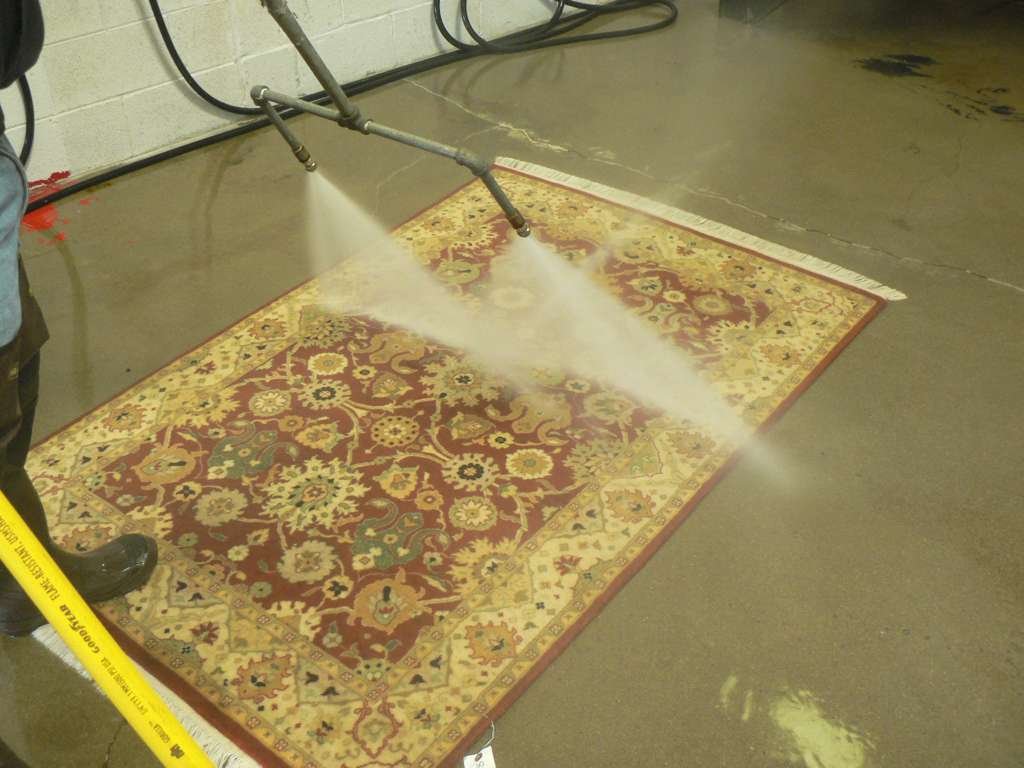
Professional rug cleaning services like those offered by Shabahang Rugs employ comprehensive techniques that address contamination at every level. The process begins with pre-dusting and soil extraction, using specialized equipment to vibrate and remove dry particles before any moisture enters the equation. This crucial first step eliminates the bulk of trapped pollutants without creating mud or pushing dirt deeper into fibers.
Deep washing techniques vary based on rug type and condition, but all focus on thoroughly saturating and agitating fibers to dislodge embedded contaminants. Professional-grade cleaning solutions target specific pollutants like allergens and bacteria, breaking down their molecular structure for complete removal. Unlike home cleaning methods that often leave soap residue attracting new dirt, professional processes include residue-free rinsing that leaves fibers truly clean and less likely to rapidly resoil.
The Importance of Proper Drying
The cleaning process doesn’t end with washing—proper drying is essential for maintaining healthy indoor air quality. Rugs that retain moisture after cleaning become breeding grounds for mold and mildew, potentially creating worse air quality problems than existed before cleaning. Professional facilities control temperature, humidity and airflow to ensure complete drying without damage to delicate fibers.
Avoiding musty odors requires more than simply drying the rug’s surface. Interior padding and foundation materials must dry thoroughly to prevent bacterial growth that produces unpleasant smells. Shabahang Rugs understands that maintaining healthy indoor conditions depends on meticulous attention to every drying stage, ensuring your rug returns home fresh and completely free of moisture-related issues.
Benefits for Allergy & Asthma Sufferers
For individuals struggling with allergies or asthma, professional rug cleaning can dramatically improve daily comfort and health. Removing accumulated allergens eliminates many common triggers, reducing the frequency and severity of symptoms. The cleaner breathing environment that results from professionally cleaned rugs means less reliance on medications and fewer disrupted nights of sleep.
Many allergy and asthma sufferers report noticeable improvements within days of having their rugs professionally cleaned. The reduction in airborne particles allows respiratory systems to recover, inflammation to decrease and overall quality of life to improve. For families with children who have respiratory sensitivities, regular professional cleaning isn’t a luxury—it’s an investment in their health and development.
How Often Rugs Should Be Cleaned for Better Air Quality
The ideal cleaning frequency depends on your household’s specific circumstances. Homes with pets should schedule professional cleaning every six to twelve months, as pet dander and tracked-in debris accumulate rapidly. The oils from pet fur also attract and hold other pollutants, creating compound contamination that affects air quality more severely than dirt alone.
Homes with children benefit from annual professional cleaning at minimum, as kids spend more time on floors where they’re exposed to whatever pollutants lurk in rug fibers. High-traffic areas like entryways, living rooms and hallways may require more frequent attention, especially in urban environments with higher outdoor pollution levels.
Seasonal recommendations include cleaning before allergy season begins, removing accumulated pollen and mold spores before they can affect sensitive individuals. Post-winter cleaning addresses the salt, moisture and tracked-in contaminants from cold-weather months, while fall cleaning prepares your home for the indoor season ahead.
Long-Term Indoor Air Quality Benefits
The advantages of regular professional rug cleaning extend well beyond immediate improvements. Cleaner air circulation throughout your home means HVAC systems don’t work as hard to maintain comfortable conditions, potentially reducing energy costs. The reduction in airborne particles also means less dust settling on furniture, electronics and surfaces, decreasing overall cleaning burden.
Healthier living spaces contribute to better sleep quality, improved concentration and enhanced overall well-being for everyone in the household. Children’s developing respiratory systems particularly benefit from cleaner indoor air during their formative years. Professional cleaning also extends rug lifespan by removing abrasive particles that gradually damage fibers, protecting your investment while maintaining air quality.
Frequently Asked Questions
Can professional rug cleaning remove mold spores?
Yes, professional rug cleaning effectively removes mold spores through deep washing and extraction techniques. However, if mold growth has been extensive, additional antimicrobial treatments may be necessary. Shabahang Rugs assesses each rug’s condition and applies appropriate treatments to ensure complete mold removal and prevent future growth.
Is eco-friendly rug cleaning better for air quality?
Eco-friendly cleaning solutions can be beneficial for indoor air quality, especially for chemically sensitive individuals. These products avoid harsh chemicals that might leave residues or odors affecting air quality. Many professional cleaners now offer green cleaning options that are equally effective while being safer for your home environment.
How long does air quality improve after rug cleaning?
Most people notice improved air quality within 24 to 48 hours after their rugs return home. The full benefits become apparent over the following weeks as fewer particles circulate through the air. Maintaining this improved air quality requires regular vacuuming and periodic professional cleaning.
Are wool rugs better or worse for indoor air?
Wool rugs naturally resist dirt, mold and mildew better than many synthetic materials and wool fibers can actually purify air by absorbing contaminants. However, wool rugs still require professional cleaning to remove accumulated pollutants. Their natural properties make them excellent choices for those concerned about indoor air quality.
Can rug cleaning reduce odors linked to air pollution?
Absolutely. Professional cleaning removes the particles and bacteria responsible for odors, not just masking them with fragrances. Deep cleaning eliminates the source of smells, resulting in genuinely fresher air rather than temporarily covered-up odors.
Experience the Difference with Shabahang Rugs
At Shabahang Rugs, we understand that your rugs represent both significant investments and integral parts of your home’s health ecosystem. Our professional cleaning services go beyond surface appearances to address the hidden pollutants affecting your indoor air quality. Using time-tested techniques combined with modern technology, we restore your rugs to their optimal condition while creating healthier living environments for you and your family.
We invite you to Contact us at Shabahang Rugs today to schedule your professional rug cleaning service and take the first step toward breathing easier in your home. Your family’s health and your rugs’ longevity are worth the investment in professional care.
Call now: (847) 256-5205
Address: 3207 Lake Avenue, Wilmette, IL 60091
Request a free Quote: Shabahang Rugs