
You’ve just invested in professional rug cleaning and your handmade piece looks stunning again. Then comes the question: should you add a protection treatment? At Shabahang Rugs, we’re often asked whether these treatments truly deliver value or if they’re just an upsell. The answer depends on your rug, your lifestyle and your expectations.
What Are Rug Protection Treatments?
Rug protection treatments are specialized solutions applied to rug fibers after cleaning to create a protective barrier. These fiber-level protectants work by coating individual fibers with a microscopic shield that repels liquids, resists dirt accumulation and makes future cleaning easier.
It’s important to understand what protection treatments are not. They don’t waterproof your rug or create an impenetrable force field. Instead, they buy you valuable time when spills occur, preventing liquids from immediately soaking into fibers and allowing you to blot them away before stains set. Professional rug protection also differs significantly from store-bought fabric sprays in terms of chemistry, application method and longevity.
How Rug Protection Works After Professional Cleaning
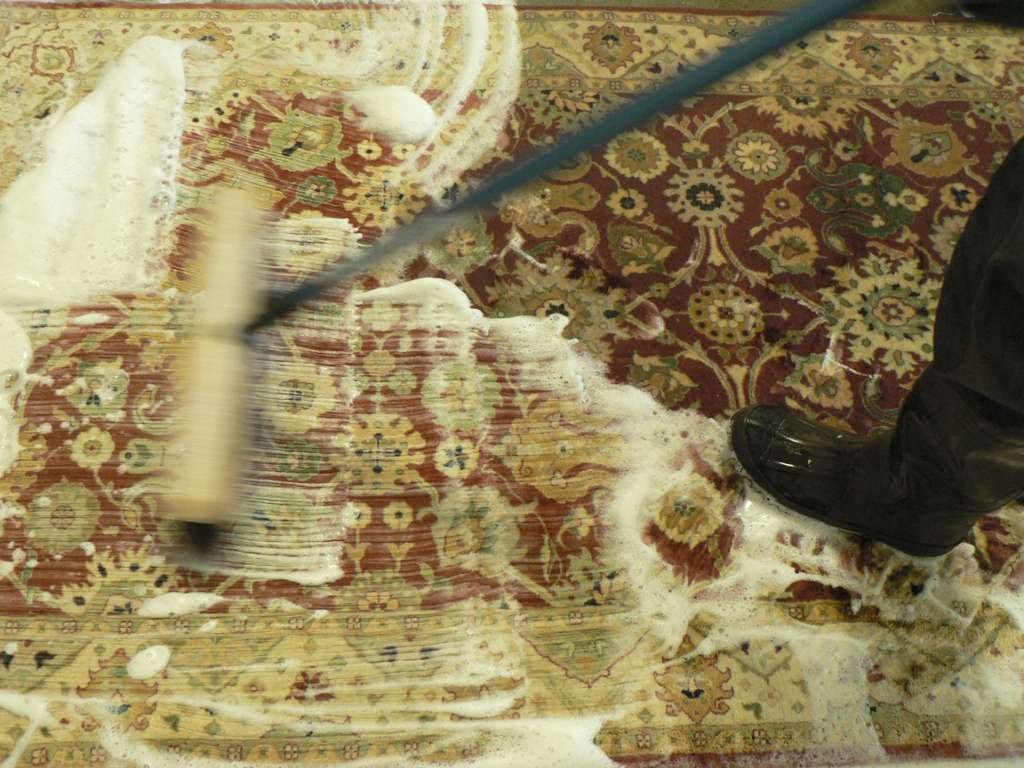
Timing matters when it comes to fabric protectant for rugs. Applying protection immediately after professional cleaning offers distinct advantages that DIY approaches can’t match.
Clean fibers absorb protectants far more effectively than dirty ones. When dirt, oils and residues coat fibers, they create barriers that prevent protection solutions from properly bonding. Professional cleaners apply these treatments when fibers are at their most receptive, ensuring even coverage and maximum effectiveness.
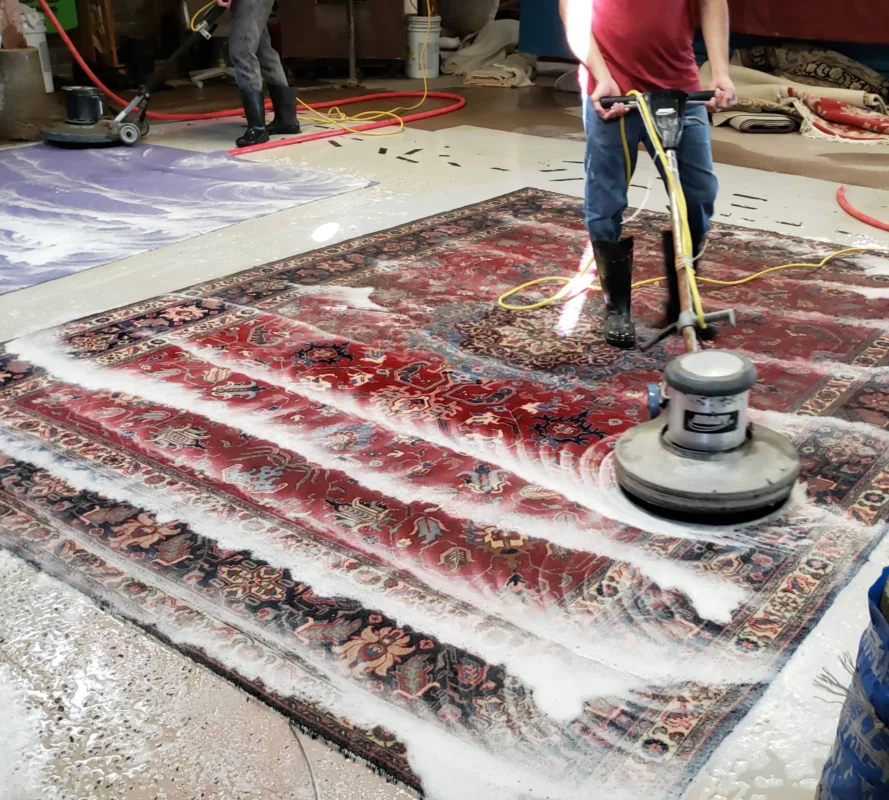
The professional application process also ensures consistent distribution across the entire rug surface. Experts use specialized equipment and techniques to achieve uniform coverage without over-saturating areas or leaving dry spots, both of which can compromise protection and appearance.
Benefits of Rug Protection Treatments
When properly applied, rug fiber protection delivers several tangible advantages that can justify the investment.
Protected rugs resist re-soiling significantly longer than untreated ones. The protective barrier prevents dirt particles from embedding deeply into fibers, meaning your rug stays cleaner between professional cleanings. This is particularly noticeable in high-traffic areas where foot traffic constantly deposits dirt and oils.
Spill resistance for rugs becomes dramatically improved with protection treatments. When liquid hits a protected surface, it beads up rather than immediately wicking into fibers. This gives you precious seconds or even minutes to respond, turning potential disasters into minor inconveniences.
The reduction in stain penetration extends beyond just buying time. Even if you don’t catch a spill immediately, protected fibers resist absorbing staining agents at the molecular level. This means professional cleaners have better odds of complete stain removal during your next cleaning appointment.
Perhaps most importantly, these treatments contribute to extended rug lifespan. By reducing wear from abrasive dirt particles and minimizing stain-related damage, protection helps preserve your investment for years beyond what an untreated rug might endure.
Limitations & Myths About Rug Protectors
Managing expectations is crucial when considering professional rug protection. Understanding what these treatments cannot do is just as important as knowing their benefits.
Rug protection treatments are not stain-proof. They reduce and delay staining, but they won’t prevent every possible stain, especially if spills sit unattended for extended periods. Red wine, pet urine and certain dyes can still cause damage on protected rugs if not addressed promptly.
These treatments are also not permanent. UV exposure, foot traffic, vacuuming and general wear gradually diminish the protective coating. Most treatments remain effective for six months to two years, depending on use and maintenance.
Finally, protection treatments won’t fix existing damage. They don’t repair worn fibers, fade existing stains, or restore lost pile height. They only protect the current condition of your rug going forward.
Rugs That Benefit Most from Protection Treatments
Not all rugs benefit equally from stain protection treatments. Certain types see dramatically better returns on this investment.
Wool rugs stand among the top candidates for protection. While wool naturally resists some soiling, it can absorb liquids quickly and hold onto certain stains stubbornly. Protection treatments enhance wool’s natural defenses without compromising its texture or breathability.
Light-colored rugs show every mark and stain, making protection treatments particularly valuable. Whether it’s a cream silk rug or an ivory Persian, the added defense against discoloration can be invaluable for maintaining appearance.
High-traffic rugs in entryways, living rooms and dining areas endure constant exposure to dirt, spills and wear. The spill resistance for rugs provided by protection treatments makes a noticeable difference in these demanding environments.
Homes with pets or children face unique challenges that make rug protection after cleaning especially worthwhile. Accidents happen and having that extra buffer against stains can save considerable stress and expense.
Are Protection Treatments Safe for Handmade Rugs?
This question deserves careful consideration, especially for valuable handmade pieces. The safety of rug protection treatments depends entirely on the product quality and application expertise.
Professional-grade protectants differ fundamentally from DIY sprays available at retail stores. Commercial sprays often contain harsh chemicals, leave visible residues, or alter fiber texture. Professional solutions are formulated specifically for delicate, high-value rugs with attention to pH balance and chemical composition.
At Shabahang Rugs, we understand the irreplaceable nature of handmade rugs. Our experts evaluate each piece individually, considering fiber content, dye stability and construction before recommending protection treatments. Some antique or delicate pieces may not be suitable candidates and we’ll tell you honestly when protection isn’t advisable.
Expert application matters immensely for handmade rugs. Over-application can cause stiffness or texture changes, while under-application leaves vulnerable spots. Professional technicians trained in working with fine rugs know exactly how to apply protection without compromising the rug’s integrity or feel.
Eco-Friendly Rug Protection Options
Environmental and health concerns have driven significant advances in rug protection technology. Modern options address these concerns without sacrificing effectiveness.
Water-based protectants have largely replaced older solvent-based formulations. These solutions eliminate harsh chemical odors and reduce environmental impact while maintaining excellent protective qualities.
Low-VOC solutions prioritize indoor air quality, especially important for homes with children, pets, or residents with sensitivities. These formulations meet strict environmental standards without compromising performance.
Safe for indoor air quality should be a non-negotiable requirement for any protection treatment. Professional services like those at Shabahang Rugs use only products that have been tested and certified for indoor residential use, ensuring your family’s health isn’t compromised for the sake of rug protection.
Cost vs Value – Is Rug Protection Worth It?
The financial equation for rug protection treatments becomes clear when you consider the bigger picture.
Compare the cost of protection (typically $50-$200 depending on rug size) against the replacement cost of your rug. For a handmade piece worth thousands, paying less than 5% of its value to extend its life by years represents obvious value.
Long-term maintenance savings also factor into the equation. Protected rugs require professional cleaning less frequently and respond better when they are cleaned. Over a rug’s lifetime, these savings can exceed the cost of protection treatments many times over.
Perhaps most valuable is the peace of mind that comes with knowing your rug has added defense against inevitable accidents. Not worrying about every glass of wine or muddy footprint adds genuine quality-of-life value that’s difficult to quantify but easy to appreciate.
How Long Do Rug Protection Treatments Last?
Understanding the lifespan of fabric protectant for rugs helps you plan maintenance schedules and budget appropriately.
Most professional protection treatments remain effective for 12 to 24 months under normal conditions. High-traffic areas may see effectiveness decline toward the shorter end of this range, while protected rugs in low-use spaces can maintain protection longer.
Several factors reduce effectiveness over time. Regular vacuuming gradually removes some protective coating from fiber surfaces. UV exposure from sunlight degrades protection chemicals. Foot traffic physically abrasses the coating. Even simple humidity and temperature fluctuations slowly diminish protection.
Reapplication timing should align with your regular professional cleaning schedule. Most experts recommend reapplying protection with every professional cleaning, typically every 12-18 months for residential rugs. This ensures your rug maintains consistent protection throughout its life.
When Rug Protection May Not Be Necessary
Honesty requires acknowledging situations where rug protection treatments offer minimal benefit and may not justify the cost.
Low-use areas like formal dining rooms or guest bedrooms see so little traffic and exposure that protection offers limited advantage. If your rug rarely encounters spills or soil, the natural durability of quality fibers may suffice.
Dark, patterned rugs naturally camouflage minor stains and soil. If your rug features deep colors and busy patterns, the visual benefits of protection become less apparent, though fiber preservation benefits still apply.
Decorative-only rugs that hang on walls or sit in protected display areas face virtually no risk of staining or excessive wear. Investing in protection for these pieces typically doesn’t make practical sense.
Final Thoughts
Rug protection treatments after cleaning aren’t magic solutions, but they’re far from snake oil either. When applied professionally to appropriate rugs, they deliver measurable benefits that can significantly extend life and maintain the appearance of your investment.
The decision ultimately depends on your specific circumstances: rug value, household dynamics, traffic patterns and your tolerance for worry about potential damage. For most handmade rugs in active homes, protection treatments represent smart, cost-effective insurance against the inevitable challenges of daily life.
Frequently Asked Questions
Can rug protection change how a rug feels?
When applied correctly by professionals, rug protection treatments should not noticeably change how your rug feels. Quality protectants coat individual fibers at a microscopic level without adding stiffness or altering texture. Some DIY sprays can leave rugs feeling crunchy or stiff, which is why professional application matters for preserving the original feel of your rug.
Will vacuuming remove rug protectant?
Regular vacuuming gradually diminishes protection effectiveness over time, but it doesn’t remove it immediately. The protective coating bonds with fibers at a molecular level, so it takes many vacuum passes over months to significantly reduce protection. This is normal and expected—it’s one reason protection should be reapplied with each professional cleaning.
Is rug protection safe for pets?
Professional-grade rug protection treatments are safe for pets once fully dried and cured, which typically takes 24-48 hours. These solutions are non-toxic and don’t emit harmful fumes after curing. In fact, protection can actually benefit pet owners by making accident cleanup easier and reducing odor absorption into fibers.
Can I apply rug protection myself?
While DIY rug protection sprays exist, they rarely match professional treatments in quality or results. Uneven application, over-saturation, product residue and chemical incompatibility with certain fibers are common problems. For valuable handmade rugs, professional application ensures proper coverage without risking damage to your investment.
Does rug protection help with odors?
Rug protection treatments primarily defend against stains and soil, not odors. However, by preventing liquids from penetrating deeply into fibers, protection indirectly helps with odor control. Spills that might cause lasting odors can be blotted away before they soak in, reducing the chance of lingering smells from pet accidents, food spills, or other sources.
Protect Your Investment with Expert Care from Shabahang Rugs
At Shabahang Rugs, we’ve been preserving beautiful handmade rugs for decades. Our expert technicians understand the delicate balance between effective protection and maintaining the integrity of fine rugs. We use only professional-grade, eco-friendly protection treatments specifically formulated for handmade pieces.
Contact us at Shabahang Rugs today to schedule a consultation about professional rug cleaning and protection. Let us help you preserve the beauty and value of your rugs for generations to come. Visit our showroom or call to speak with one of our rug care specialists who can answer your questions and provide personalized guidance for your specific needs.
Call now: (847) 256-5205
Address: 3207 Lake Avenue, Wilmette, IL 60091
Request a free Quote: Shabahang Rugs