
When you invest in a beautiful handwoven rug, the last thing you want is to see its vibrant colors fade or bleed during cleaning. Rug Color bleeding is one of the most common concerns among rug owners, and for good reason. Without proper care and professional techniques, even a single cleaning session can permanently damage the intricate dyes that give your rug its character and value. At Shabahang Rugs, we understand that preserving the original beauty of your rug requires expertise, precision, and the right approach. Professional rug cleaners use specialized methods to protect every fiber and ensure that colors remain vibrant and intact. Here’s how the experts prevent color bleeding and keep your rugs looking their best.
Why Rugs Bleed Color
Color bleeding occurs when dyes dissolve or transfer from one area of the rug to another during the washing process. Understanding why this happens is the first step in prevention.
Natural dyes vs synthetic dyes: Rugs crafted with natural dyes derived from plants, minerals, and insects are particularly vulnerable to bleeding. These organic colorants, while beautiful and traditional, can be less stable when exposed to water and cleaning agents. Synthetic dyes, though generally more colorfast, can still bleed if the rug was improperly dyed or if harsh chemicals are used during cleaning.
Fiber absorption of dyes: Different fibers absorb and hold dyes differently. Wool, cotton, and silk each react uniquely to moisture and cleaning solutions. Wool, for instance, is highly absorbent and can release dye when exposed to alkaline cleaners or hot water.
Impact of water, heat, and chemicals: Heat accelerates the release of dyes from fibers, while incorrect pH levels can break down the molecular bonds that keep colors locked in place. Even the type of water used matters, as hard water with high mineral content can affect dye stability.
Age and wear of the rug: Older rugs or those with significant wear may have weakened dye bonds. Over time, exposure to sunlight, foot traffic, and environmental factors can make dyes more susceptible to bleeding during cleaning.
The Importance of Colorfastness Testing
Before any professional cleaning begins, thorough colorfastness testing is essential. This critical step determines how the rug will react to water and cleaning solutions.
Testing hidden areas first: Professionals always test inconspicuous areas of the rug, such as a corner or the back side, to observe how the dyes respond without risking visible damage.
White cloth transfer test: A dampened white cloth is pressed against different colored sections of the rug. If dye transfers to the cloth, it signals that special precautions will be needed during the full cleaning process.
pH and moisture tests: Technicians test the rug’s reaction to various pH levels and moisture amounts. This helps identify the safest cleaning solution and water temperature for that specific rug.
Fringe and edge dye checks: The fringes and edges of rugs often contain different dyes or materials than the main body. These areas require separate testing to ensure comprehensive color protection.
Choosing the Right Cleaning Method
Not all rugs can be cleaned the same way. The cleaning method must be tailored to the rug’s construction, fiber type, and dye stability.
Cold water vs warm water: While warm water can be more effective at removing certain soils, cold water is often preferred for rugs with questionable colorfastness. Temperature control throughout the entire process is carefully monitored.
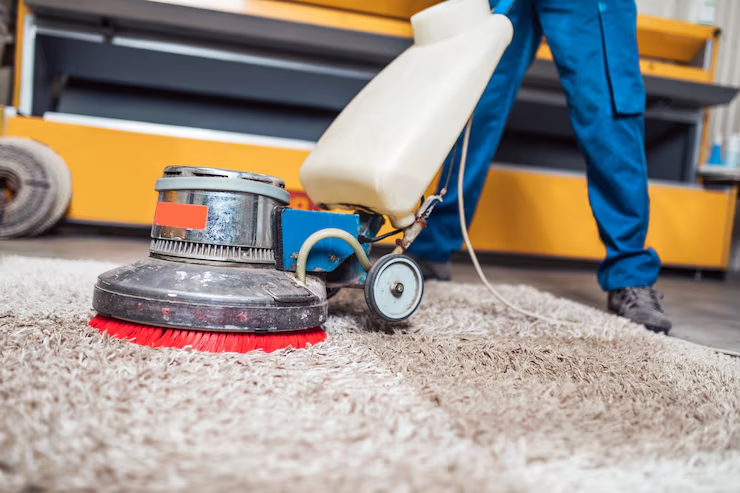
Gentle agitation: Unlike machine washing, professional hand washing uses controlled, gentle agitation that cleans effectively without stressing the fibers or causing dye migration.
Avoiding harsh detergents: Household cleaners and alkaline detergents can strip dyes from fibers. Professionals use specially formulated products designed for delicate textiles.
Immersion vs surface cleaning: Rugs that fail colorfastness tests may receive surface cleaning only, where solutions are applied to the pile surface and extracted immediately, minimizing water contact time.
Dye-Safe Cleaning Solutions
The chemistry of cleaning solutions plays a crucial role in color preservation. Professional rug cleaners at facilities like Shabahang Rugs invest in specialized products that clean without compromising color integrity.
pH-balanced cleaners: Solutions with a neutral pH level prevent the chemical reactions that cause dye bleeding. These cleaners work with the rug’s fibers rather than against them.
Enzyme-based treatments: For organic stains like food or pet accidents, enzyme cleaners break down the stain molecules without harsh chemicals that could affect dyes.
Professional-grade detergents: These formulations contain color-locking agents and optical brighteners that actually enhance color vibrancy while cleaning. They’re specifically designed for natural fibers and traditional dyeing methods.
Controlled Washing & Rinsing
The actual washing process requires careful attention to prevent color migration and ensure even cleaning.
Step-by-step washing: Professionals work methodically across the rug’s surface, monitoring how each area responds. High-risk sections with unstable dyes receive extra gentle treatment.
Careful rinse to prevent color migration: Thorough rinsing is essential, but it must be done properly. Clean water is continuously used to flush away cleaning solutions and loosened soil without allowing dissolved dyes to resettle on other areas of the rug.
Monitoring high-risk areas: Sections with deep reds, blues, and blacks are watched closely, as these colors are more prone to bleeding. Any signs of color loss trigger immediate adjustments to the cleaning process.
Proper Drying to Lock in Color
How a rug dries is just as important as how it’s washed. Proper drying techniques prevent color bleeding and set the dyes back into the fibers.
Airflow and temperature control: Professional drying rooms maintain optimal humidity and temperature levels. Controlled airflow accelerates drying without applying heat that could cause colors to run.
Avoiding sun bleaching: While sunlight can help dry rugs quickly, UV exposure can fade colors. Professional facilities use climate-controlled environments that protect against both color bleeding and fading.
Pile grooming during drying: As the rug dries, technicians groom the pile to ensure fibers dry in the correct direction. This prevents color pooling where moisture might accumulate.
Special Care for Sensitive Rugs
Certain rug types demand extra precautions due to their delicate nature or traditional construction methods.
Wool rugs: Wool’s natural absorbency makes it particularly susceptible to color bleeding. pH-neutral cleaners and cold water techniques are standard for wool rugs, especially those with natural dyes.
Silk rugs: Silk fibers are extraordinarily delicate. The cleaning process for silk rugs involves minimal moisture, quick cleaning cycles, and immediate controlled drying to prevent any dye migration.
Handmade and antique rugs: These treasures often feature vegetable dyes that haven’t been stabilized with modern chemical processes. They require the gentlest cleaning methods and may need dye stabilization treatments before washing.
Persian & Oriental rugs: Traditional Persian and Oriental rugs showcase intricate color combinations that make color bleeding especially noticeable. Experts test each color section individually and may use specialized fixatives to lock dyes in place before cleaning.
Risks of DIY Cleaning for Color Preservation
Many well-intentioned homeowners cause irreversible damage by attempting to clean their rugs at home. Understanding these risks highlights why professional care is worth the investment.
Hot water or excessive scrubbing: Home carpet cleaners and hot water can cause rapid dye bleeding. Aggressive scrubbing damages fibers and accelerates color loss.
Wrong cleaning products: Household cleaners, bleach-based products, and even some “natural” solutions can have unpredictable effects on rug dyes. What works on synthetic carpeting can ruin a handmade rug.
Rushing the drying process: Laying a wet rug in the sun or using fans without proper knowledge can cause uneven drying, leading to watermarks and color migration that creates permanent staining.
Permanent dye loss: Once dyes bleed and resettle in the wrong areas, correction is difficult and sometimes impossible. What might have been a simple professional cleaning becomes an expensive restoration project.
Final Thoughts
Preventing color bleeding is a crucial step in professional rug cleaning, ensuring beauty, value, and longevity. The difference between a rug that maintains its vibrancy for generations and one that becomes dull and faded often comes down to the care it receives during cleaning.
Professional techniques combine scientific understanding of dye chemistry, traditional knowledge of rug construction, and modern technology to achieve results that home cleaning simply cannot match. From meticulous colorfastness testing to controlled washing environments and proper drying protocols, every step is designed to protect your investment.
Frequently Asked Questions
How often should rugs be professionally checked for colorfastness?
Rugs should be tested for colorfastness before every professional cleaning, as dye stability can change over time due to age, sun exposure, and wear. Even if a rug has been cleaned before without issues, previous success doesn’t guarantee future results. Environmental factors and the natural aging of dyes mean that what was colorfast five years ago might be vulnerable now.
Can synthetic rugs bleed color too?
Yes, synthetic rugs can experience color bleeding, though they’re generally more stable than natural-dyed rugs. Poor quality synthetic dyes, rugs manufactured with inadequate dye-setting processes, or exposure to harsh chemicals during cleaning can all cause synthetic fibers to release color. Solution-dyed synthetic fibers, where color is added during fiber production, are the most colorfast option.
Does sunlight affect rug dyes after washing?
Absolutely. UV radiation from sunlight can fade rug colors, especially after washing when fibers are more vulnerable. Freshly cleaned rugs should be dried in controlled environments away from direct sunlight. Once back in your home, rotate rugs periodically and use window treatments to minimize prolonged sun exposure on the same areas.
Can color bleeding be fixed after it happens?
Sometimes, but not always. If caught immediately during the cleaning process, technicians can sometimes halt the bleeding and extract the migrated dye. Once the rug has dried with the dye in new locations, correction becomes much more difficult. In some cases, professional dye correction or restoration might improve the appearance, but prevention is always preferable to attempting repairs.
Are eco-friendly cleaners safe for colored rugs?
Quality eco-friendly cleaners can be excellent for colored rugs when properly formulated. However, “natural” doesn’t automatically mean “safe” for all dyes. Some natural substances like vinegar or lemon juice, while eco-friendly, have pH levels that can damage certain dyes. Professional eco-friendly rug cleaning products are specifically designed to be both environmentally responsible and safe for delicate fibers and dyes.
Trust the Experts at Shabahang Rugs
When your valuable rugs need cleaning, trust the professionals who understand the delicate balance between thorough cleaning and color preservation. At Shabahang Rugs, our specialists bring decades of experience in caring for fine handmade rugs of all types. We use proven techniques and specialized equipment to ensure your rugs receive the gentle, effective care they deserve.
Don’t risk permanent damage with DIY methods or inexperienced cleaners. Contact us at Shabahang Rugs today to schedule a professional cleaning consultation.
Call Shabahang Rugs Today
Call now: (847) 256-5205
Address: 3207 Lake Avenue, Wilmette, IL 60091
Request a free Quote: Shabahang Rugs