
Discovering moth damage in your beautiful wool or silk rug is heartbreaking. Tiny holes, bare patches, and thinning piles signal an infestation that may have been growing unnoticed for months. The good news is that Moth Damage Prevention starts with something simple: proper cleaning. Understanding how cleanliness protects your rugs gives you the power to stop moths before they start feeding.
What Causes Moth Damage in Rugs?
Two main culprits attack household rugs: clothes moths and carpet moths. Despite their names, both species happily infest area rugs, with carpet moths being particularly aggressive. The adult moths themselves don’t cause damage. Instead, their larvae feed on natural protein fibers, particularly keratin found in wool and silk.
Moth larvae need more than just fiber to thrive. They’re attracted to food particles trapped deep in rug pile, human sweat and body oils absorbed by fibers, pet dander and hair, and any organic matter settled into the foundation. Dark, undisturbed areas provide perfect breeding grounds where larvae can feed undisturbed for months, causing extensive damage before discovery.
Why Dirty Rugs Are a Target for Moths
Moths don’t randomly select rugs to infest. They’re drawn to specific conditions that dirty rugs provide. Embedded dust and organic matter accumulated over time create a nutrient-rich environment. Pet hair and skin cells trapped in fibers offer additional protein sources beyond the rug itself.
Spills that go unnoticed or inadequately cleaned leave residues that attract moths. Food crumbs tracked onto rugs, beverage spills, and even perspiration from bare feet all contribute to making your rug appealing to these pests. Low-traffic zones under furniture create undisturbed spaces where moths can lay eggs and larvae can feed without disruption, accelerating rug moth infestation.
How Proper Cleaning Prevents Moth Infestations
Regular, thorough cleaning is your first line of defense in carpet moth damage prevention. Cleaning removes the food sources moths seek beyond just the rug fibers themselves. When you eliminate accumulated dust, skin cells, pet hair, and organic residues, you make your rug far less attractive to egg-laying moths.
Proper cleaning disrupts the moth life cycle at multiple stages. Vacuuming removes eggs before they hatch. Professional washing eliminates larvae already feeding on fibers. This interruption prevents moths from establishing the multi-generational colonies that cause severe damage. Cleaning also reduces hiding and nesting spots by lifting compressed pile and removing debris where moths shelter.
Additionally, thorough cleaning improves airflow within fibers. Moths prefer stagnant, dark conditions. When rug fibers are clean and properly maintained, air circulates more freely, creating an environment less hospitable to moth larvae development.
Daily & Weekly Cleaning Habits That Deter Moths
Consistent maintenance habits form the foundation of wool rug moth protection.
Regular Vacuuming
Vacuum your rugs weekly at minimum, paying special attention to edges, corners, and areas under furniture where moths prefer to hide. Use appropriate vacuum settings to avoid damaging delicate fibers while still removing eggs and larvae. Periodically vacuum both sides of smaller rugs to address moths that may have accessed the foundation from below.
Immediate Spill Cleanup
Address spills the moment they occur. Blot liquids immediately and clean the area thoroughly with appropriate solutions for your rug type. This prevents organic residue buildup that attracts moths weeks or months later. Even water spills should be dried completely to prevent moisture-related issues that can compound with moth problems.
Rotating Rugs
Rotate your rugs every few months to prevent long-term undisturbed areas. This simple practice ensures all sections receive foot traffic and attention, making it difficult for moths to establish hidden colonies. Rotation also promotes even wear and allows you to inspect all areas regularly for early signs of damage.
Professional Rug Cleaning & Moth Prevention
While home maintenance is essential, professional rug cleaning for moths provides protection that vacuuming alone cannot achieve. Experts perform deep dust removal that extracts particles embedded deep in pile and foundation, far beyond what household vacuums reach. This thorough dusting eliminates food sources and potential nesting materials.
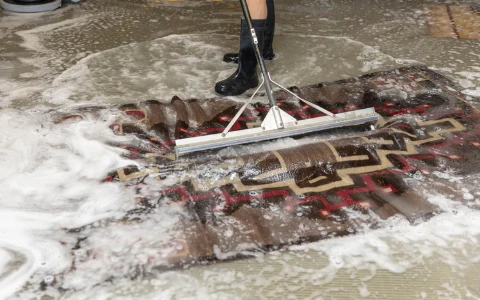
Professional washing completely saturates fibers, washing out moth larvae and eggs throughout the entire rug structure. Specialists at facilities like Shabahang Rugs use safe moth-treatment solutions that eliminate existing pests without damaging delicate fibers or natural dyes. The controlled drying process prevents reinfestation by eliminating moisture that attracts moths while ensuring rugs dry completely and evenly.
Professional cleaners can also identify early-stage infestations you might miss and recommend appropriate treatment intensity based on your rug’s specific needs and risk factors.
Rugs Most at Risk for Moth Damage
Certain rugs face higher moth risk and require extra vigilance.
Wool rugs top the list, as moth larvae thrive on wool’s keratin protein. The natural lanolin in wool can actually attract moths when combined with dirt and oils. Silk rugs are equally vulnerable, with their protein-based fibers providing ideal nutrition for developing larvae.
Antique rugs face multiple risk factors. Their age often means they contain more accumulated organic matter, and their delicate condition makes aggressive cleaning challenging. Many antiques spend time in storage or low-traffic areas, creating perfect conditions for undetected infestations.
Rugs in low-light, low-traffic rooms like guest bedrooms, formal dining rooms, or storage areas receive less disturbance and inspection. This allows moth populations to explode before anyone notices the damage.
Early Warning Signs of Moth Damage
Catching moth damage early dramatically improves restoration outcomes. Watch for bare spots or thinning pile, particularly in rug corners or under furniture. These indicate larvae have been feeding in that area. Powdery residue near damaged areas comes from larval casings and excrement.
Irregular holes that don’t follow the rug’s pattern suggest moth damage rather than normal wear. Unlike wear patterns that appear in high-traffic areas, moth damage appears randomly or in hidden spots. Fiber shedding in specific areas beyond normal shedding patterns indicates structural damage from larval feeding.
If you spot webbing, cocoons, or small beige larvae in rug pile or along edges, you have an active infestation requiring immediate attention.
What Cleaning Alone Cannot Do
While proper cleaning is crucial for moth damage in rugs prevention, it has limitations. Cleaning cannot repair damage that’s already occurred. Once larvae have eaten through fibers, those holes and bare spots require professional reweaving or patching to restore.
Severe, established infestations may need specialized pest treatment beyond standard cleaning. If moths have colonized your home’s carpeting, upholstery, or other textiles, addressing only the rug won’t solve the broader problem. Professional pest control may be necessary alongside rug treatment.
Storage mistakes can still attract moths even to freshly cleaned rugs. Storing clean rugs in damp basements, sealing them in plastic that traps moisture, or placing them near existing moth populations can lead to infestation despite prior cleaning.
Safe Alternatives to Mothballs
Traditional mothballs contain toxic chemicals that can damage rugs and pose health risks. Safer alternatives exist for rug pest prevention.
Cedar blocks or chips naturally repel moths with their scent while being safe for natural fibers. Replace cedar products annually as their scent fades. Lavender sachets offer pleasant aromatherapy while deterring moths, though their effectiveness is limited compared to cedar.
Proper ventilation remains one of the best deterrents. Moths prefer stagnant air and dark spaces. Ensuring rooms with valuable rugs receive regular airflow and some light exposure discourages moth activity. Professional moth-proofing treatments applied by experts like those at Shabahang Rugs provide effective, safe protection without harsh chemicals.
Long-Term Moth Prevention Tips
Sustained vigilance keeps your rugs moth-free for years.
Always clean rugs thoroughly before storage. Never store dirty rugs, as this invites infestation during the storage period. Professional cleaning before storage provides the best protection. Store rugs correctly by rolling them rather than folding, which creates creases where moths hide. Wrap rolled rugs in breathable cotton or muslin covers.
Avoid plastic sealing, which traps moisture and can actually create ideal conditions for moth larvae despite seeming protective. Plastic also prevents air circulation that naturally deters moths. Inspect stored rugs seasonally, unrolling them to check for signs of moth activity and allowing fibers to breathe.
For rugs in use, maintain consistent cleaning schedules based on traffic levels. High-traffic rugs need professional cleaning annually, while delicate or low-traffic pieces benefit from cleaning every 18 to 24 months. Between professional cleanings, maintain weekly vacuuming and prompt spill response.
Frequently Asked Questions
Can moth damage be reversed?
Moth damage itself cannot be reversed, but it can be repaired. Professional restoration specialists can reweave damaged areas, replacing eaten fibers with matching materials. Minor damage is often nearly invisible after expert repair, while extensive damage may show some evidence of restoration. The key is catching damage early before it becomes too widespread to repair economically.
How often should wool rugs be professionally cleaned?
Wool rugs should receive professional cleaning every 12 to 24 months depending on use and environment. High-traffic areas, homes with pets, or rugs in humid climates benefit from annual cleaning. Low-traffic wool rugs in dry, clean environments may extend to every two years. However, for optimal wool rug moth protection, annual professional cleaning provides the best defense against infestations.
Do moths prefer dirty rugs?
Absolutely. While moths can technically infest clean rugs for the fiber content alone, they overwhelmingly prefer dirty rugs. Accumulated dust, skin cells, food particles, pet hair, and organic residues provide additional nutrition that helps larvae develop faster and survive better. Clean rugs are significantly less attractive to egg-laying moths and provide less supportive environments for larval development.
Are moth repellents safe for antique rugs?
Natural moth repellents like cedar and lavender are safe for antique rugs. However, chemical mothballs containing naphthalene or paradichlorobenzene can damage delicate antique fibers, cause discoloration, and leave persistent odors that are difficult to remove. For valuable antiques, focus on proper cleaning, storage, and environmental controls rather than chemical repellents. Professional moth-proofing treatments specifically designed for antique textiles offer the safest protection.
How long does a moth infestation last?
An untreated moth infestation can last indefinitely, with multiple generations continuing the cycle. The moth life cycle from egg to adult takes 2 to 4 months depending on conditions, meaning populations can grow rapidly. However, with proper intervention including thorough cleaning, treatment, and environmental management, active infestations can be eliminated within a few weeks to months. Ongoing prevention measures ensure moths don’t return.
Contact Shabahang Rugs for Professional Moth Prevention Care
Protecting your valuable rugs from moth damage requires expertise and specialized equipment beyond typical household cleaning. Shabahang Rugs offers comprehensive moth prevention services, including thorough inspection to identify early signs of infestation, deep professional cleaning that removes eggs and larvae, safe moth-proofing treatments, and expert guidance on storage and maintenance practices.
Our team understands how to stop moth damage before it starts and how to treat rugs showing early signs of infestation. We use proven techniques that protect your investment without harsh chemicals that could harm delicate fibers or natural dyes. Whether you need routine preventive cleaning or treatment for an active problem, our specialists provide the careful attention your rugs deserve.
Don’t wait until you discover holes and bare patches. Contact us today at Shabahang Rugs to schedule professional cleaning that keeps moths away and your rugs beautiful for generations. Preventive care is always more cost-effective than restoration after damage occurs.
Call Shabahang Rugs Today
Call now: (847) 256-5205
Address: 3207 Lake Avenue, Wilmette, IL 60091
Request a free Quote: Shabahang Rugs