
How Rug Cleaning Helps Reduce Allergies, Dust Mites & Indoor Pollutants
If you experience frequent sneezing, congestion, or respiratory discomfort indoors, your beautiful area rugs might be contributing to the problem. While rugs enhance the aesthetic appeal and comfort of your home, they also act as magnets for allergens, dust mites, and indoor pollutants. Understanding how these contaminants accumulate and how Rug Cleaning for Allergies through professional services can eliminate them is essential for maintaining a healthier living environment, especially for allergy and asthma sufferers.
The Hidden Health Risks Inside Dirty Rugs
Area rugs serve as natural filters for your indoor environment, continuously trapping airborne particles that would otherwise circulate throughout your home. While this filtering effect can initially improve air quality, rugs eventually become saturated with contaminants that pose significant health risks:
Dust and pollen: These microscopic particles settle into rug fibers with every breeze, open window, and person who walks through your door. Seasonal pollen from outdoors becomes embedded in your rugs, prolonging allergy seasons indoors.
Pet dander: Even if you don’t have pets, dander can be tracked into your home on clothing and shoes. For pet owners, the accumulation is substantial, with microscopic skin flakes settling deep within rug fibers.
Bacteria and microscopic pollutants: Rugs collect bacteria from shoes, spills, and general household activity. These microorganisms thrive in the warm, protected environment within rug fibers, potentially affecting the health of household members.
Over time, rugs transition from helpful air filters to reservoirs of allergens that continuously release particles back into your breathing space. This is particularly problematic in homes where rugs haven’t been professionally cleaned in over a year.
How Allergens Get Trapped Deep in Rug Fibers
The accumulation of allergens in rugs isn’t merely a surface-level issue. Several factors contribute to contaminants becoming deeply embedded:
Foot traffic compression: Every step on your rug pushes dust, dirt, and allergens deeper into the pile and foundation. High-traffic areas experience the most severe buildup, with particles working their way to the backing over time.
Moisture creates ideal environments: Humidity, spills, and even tracked-in snow or rain introduce moisture that allows allergens to bind more firmly to fibers. This moisture also creates breeding grounds for dust mites and mold spores.
Surface cleaning limitations: Regular vacuuming only addresses the top layer of your rug’s pile. The majority of allergens settle below the reach of standard vacuum cleaners, remaining trapped until professional deep cleaning removes them.
Understanding this deep penetration explains why surface maintenance alone cannot adequately address allergy concerns in your home.
Dust Mites in Rugs — What You Need to Know
Dust mites are among the most common and problematic allergens found in area rugs. These microscopic creatures are invisible to the naked eye but present in nearly every home.
What dust mites are: Dust mites are tiny arachnids that feed on dead skin cells shed by humans and pets. A single gram of dust can contain thousands of these creatures, along with their waste products, which are the primary allergenic component.
Why rugs attract them: Rugs provide ideal conditions for dust mite populations. The fibers offer protection from disturbance, while the accumulation of skin cells provides an abundant food source. Warmth and moderate humidity levels in most homes create perfect breeding conditions.
Health effects: Dust mite allergens trigger a range of symptoms including persistent sneezing, runny or stuffy nose, itchy and watery eyes, coughing, and difficulty breathing. For individuals with asthma, dust mite exposure can provoke serious attacks and worsen chronic respiratory conditions.
Studies indicate that reducing dust mite populations significantly improves symptoms for allergy and asthma sufferers, making professional rug cleaning an important health intervention.
Indoor Pollutants Commonly Found in Rugs
Beyond dust mites, area rugs accumulate a diverse array of indoor pollutants that compromise air quality:
Pollen: Outdoor pollen enters your home on clothing, shoes, pets, and through open windows. Once inside, it settles into rug fibers and can remain active for extended periods, causing year-round allergy symptoms.
Pet dander: These microscopic flakes of skin are incredibly lightweight and easily become airborne with any disturbance. They settle throughout your home but concentrate in rugs where they resist removal through vacuuming alone.
Mold spores: Any moisture exposure creates opportunities for mold growth within rug fibers and backing. Even rugs that appear dry on the surface can harbor mold in deeper layers, releasing spores that cause allergic reactions and respiratory problems.
Chemical residues: Household cleaning products, personal care items, and even outdoor pesticides tracked indoors leave chemical residues in rug fibers. These substances can off-gas over time, affecting indoor air quality.
Outdoor pollutants tracked indoors: Soil, exhaust particles, pesticides, and industrial pollutants from outdoor environments accumulate in rugs through normal foot traffic. These contaminants add to the toxic load in your home environment.
How Professional Rug Cleaning Reduces Allergens
Professional rug cleaning offers comprehensive allergen removal that far exceeds what home maintenance can achieve. The process involves multiple stages specifically designed to eliminate health hazards:
Deep Dust Removal
Before any washing begins, professional cleaners use specialized equipment to thoroughly dust rugs. This mechanical agitation and suction removes dry particulates, including dust, pollen, and dust mite waste, that have settled deep within the pile. This pre-treatment stage alone removes a significant portion of allergens that would otherwise remain trapped during washing.
Hot Water & Controlled Washing
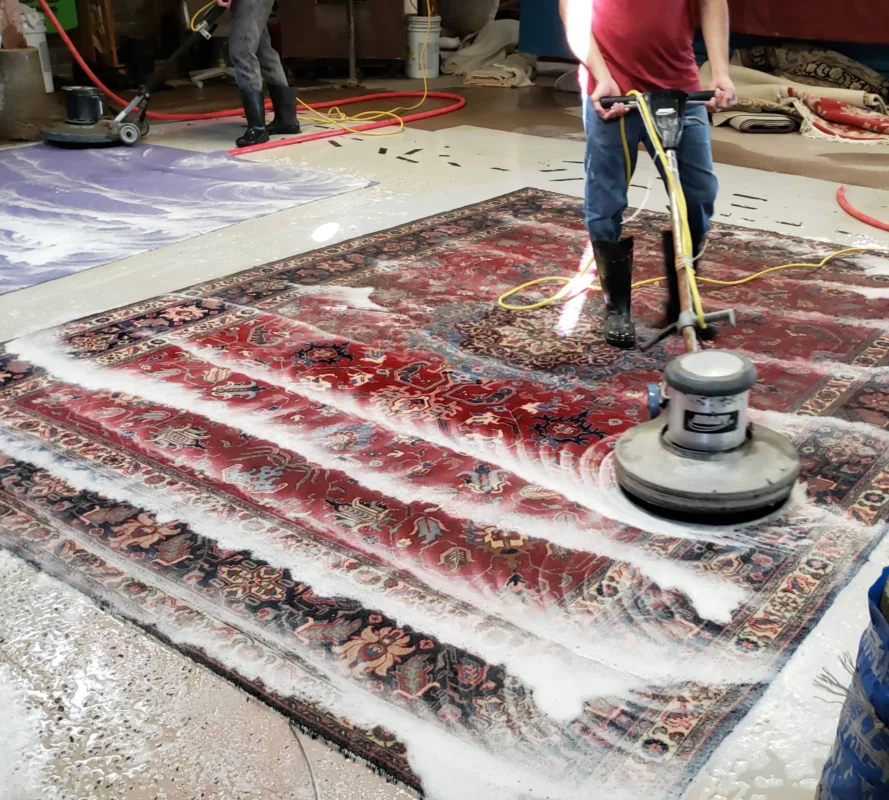
Professional immersion washing uses controlled water temperatures that effectively kill dust mites and bacteria without damaging delicate rug fibers. The combination of appropriate water temperature, pH-balanced cleaning solutions, and thorough agitation flushes allergens from even the deepest layers of the rug’s foundation.
Unlike surface cleaning methods, full immersion washing allows water to flow completely through the rug, carrying away dissolved allergens and contaminants. Shabahang Rugs employs gentle yet effective washing techniques that protect fiber integrity while maximizing allergen removal.
Proper Drying to Prevent Mold
Incomplete drying after cleaning creates serious health risks by promoting mold and mildew growth. Professional facilities use industrial drying systems with controlled temperature and airflow that ensure complete moisture removal throughout the entire rug structure.
This thorough drying process prevents the mold growth that commonly occurs when rugs are cleaned at home without proper drying equipment. Proper drying is especially critical for thick, dense rugs and those with natural fiber foundations that retain moisture.
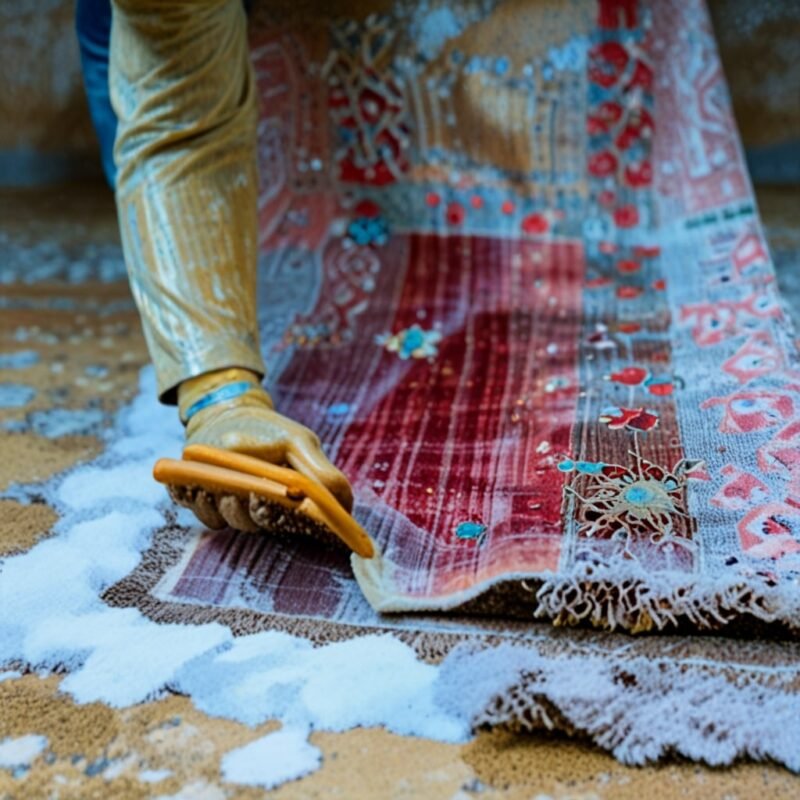
DIY Rug Cleaning vs. Professional Cleaning for Allergy Relief
Many homeowners attempt to address allergen concerns through DIY cleaning methods, but these approaches have significant limitations:
Vacuuming limitations: Even HEPA-filter vacuums only remove surface-level debris. They cannot extract allergens embedded in the foundation or kill dust mites living within the pile. While vacuuming is essential for maintenance, it’s insufficient for allergen control.
Over-wetting risks: Rental carpet cleaning machines and home steam cleaners often leave rugs excessively wet. This moisture penetrates the backing and padding, creating ideal conditions for mold growth and actually worsening allergy problems.
Incomplete allergen removal: Surface cleaning methods cannot flush allergens from deep within rug structures. Particles simply redistribute rather than being removed from the home environment.
For households with allergy or asthma sufferers, professional cleaning provides the thorough allergen elimination necessary for symptom relief. The investment in professional services pays dividends in improved health and quality of life.
How Often Should Rugs Be Cleaned to Reduce Allergies?
Cleaning frequency should be adjusted based on your household’s specific circumstances and health needs:
General homes: For typical households without special health concerns, professional cleaning every 12-18 months maintains acceptable allergen levels while preserving rug longevity.
Homes with pets: Pet ownership dramatically increases dander, hair, and tracked-in dirt. Annual professional cleaning is recommended, with more frequent service for multiple pets or animals that spend significant time on rugs.
Allergy or asthma sufferers: Households with diagnosed allergies or respiratory conditions benefit from professional cleaning every 6-12 months. This frequency keeps allergen levels consistently low and provides ongoing symptom relief.
Seasonal considerations: Spring cleaning helps remove accumulated winter allergens, while fall cleaning prepares your home for the indoor season when windows remain closed and air circulation decreases.
Consistent professional cleaning prevents the gradual allergen buildup that eventually overwhelms even the most diligent home maintenance efforts.
Best Rug Care Tips for Allergy-Prone Homes
Between professional cleanings, several practices help minimize allergen accumulation:
HEPA-filter vacuuming: Invest in a quality vacuum with true HEPA filtration that captures microscopic particles rather than redistributing them into the air. Vacuum high-traffic rugs at least twice weekly, moving slowly to allow adequate suction time.
Using rug pads: Quality rug pads create air space beneath rugs, improving airflow and reducing moisture retention that supports dust mite populations. Pads also minimize friction that breaks down fibers and creates additional dust.
Controlling humidity: Maintain indoor humidity between 30-50% to discourage dust mite reproduction. Use dehumidifiers in damp seasons and ensure proper ventilation in bathrooms and kitchens.
Regular inspections: Check rugs monthly for signs of allergen buildup, including visible dullness, texture changes, or musty odors. Early detection allows you to address problems before they affect household health.
Sun exposure (limited & controlled): Brief outdoor airings on dry, sunny days can help reduce moisture and temporarily decrease dust mite populations. However, limit direct sun exposure to prevent color fading, especially for handmade rugs with natural dyes.
Are Certain Rugs Better or Worse for Allergies?
Rug characteristics significantly influence allergen accumulation and retention:
Wool vs synthetic rugs: Wool fibers naturally resist moisture, mold, and dust mite populations better than many synthetic materials. However, wool also requires gentle professional cleaning to maintain these properties without damage. Synthetic rugs may trap and release allergens differently depending on fiber composition.
Low-pile vs high-pile: Low-pile rugs accumulate fewer allergens simply because they provide less surface area and depth for particles to settle. High-pile and shag rugs require more frequent professional cleaning to control allergen buildup in their dense fibers.
Handmade vs machine-made: Handmade rugs with tight weaves and quality materials often resist allergen penetration better than loosely constructed alternatives. However, their value and construction require professional cleaning expertise that ensures proper care alongside allergen removal.
No rug is completely hypoallergenic, but choosing appropriate styles and maintaining them properly significantly reduces allergy impacts.
Signs Your Rug Is Affecting Indoor Air Quality
Several indicators suggest your rugs are contributing to poor indoor air quality and allergy symptoms:
Increased sneezing indoors: If symptoms improve when you leave home and return upon entering, indoor allergens including those in rugs are likely responsible.
Dust clouds when vacuuming: Visible dust rising during vacuuming indicates heavy allergen loads trapped in your rug’s deeper layers.
Musty smell: Odors suggest mold or mildew growth within the rug structure, releasing spores that affect respiratory health.
Visible dullness or stiffness: These signs indicate deep contamination that harbors allergens and pollutants throughout the rug’s foundation.
If you notice these warning signs, prompt professional cleaning can restore your rug and improve your home’s air quality.
When to Schedule Professional Rug Cleaning
Certain situations demand immediate professional attention to address allergen concerns:
Persistent allergy symptoms: If household members experience ongoing respiratory issues, itchy eyes, or skin irritation despite regular home cleaning, professional rug cleaning should be prioritized.
Water damage: Any flooding, major spills, or moisture exposure requires immediate professional intervention to prevent mold growth and associated health problems.
Pet contamination: Urine accidents and heavy pet dander accumulation need specialized enzymatic treatments and thorough washing that only professionals can provide.
Mold or mildew signs: Visible growth or musty odors indicate urgent health hazards that require expert remediation alongside cleaning.
Long gaps between cleanings: If your rugs haven’t been professionally cleaned in over 18 months, accumulated allergens are likely affecting your indoor environment regardless of visible signs.
Final Thoughts
Regular professional rug cleaning is a crucial component of maintaining a healthy home environment, particularly for families dealing with allergies, asthma, or respiratory sensitivities. By removing dust mites, allergens, and pollutants trapped deep within rug fibers, professional cleaning significantly improves indoor air quality and reduces health symptoms.
The combination of specialized equipment, proper techniques, and expertise ensures thorough allergen elimination that home cleaning methods simply cannot achieve. For the health and comfort of your household, investing in regular professional rug cleaning services provides benefits that extend far beyond aesthetic improvements.
Frequently Asked Questions
Can professional rug cleaning eliminate dust mites completely?
Professional cleaning dramatically reduces dust mite populations by removing their food source (skin cells), eliminating waste products, and killing living mites through controlled washing. While complete elimination is temporary—dust mites naturally recolonize over time—regular professional cleaning keeps populations at minimal levels that rarely trigger allergy symptoms.
Is steam cleaning safe for allergy control?
True steam cleaning can kill dust mites and bacteria, but many home “steam cleaners” don’t reach temperatures high enough to be effective. Additionally, excessive moisture from improper steam cleaning can promote mold growth. Professional immersion washing provides superior allergen removal with controlled conditions that prevent secondary problems.
How often should allergy sufferers clean their rugs?
Individuals with diagnosed allergies or asthma should have area rugs professionally cleaned every 6-12 months, depending on symptom severity and household conditions. Homes with pets, children, or high traffic may benefit from the more frequent end of this range.
Do wool rugs trap more allergens?
Wool rugs don’t necessarily trap more allergens than synthetic alternatives, but they do retain particles differently. Wool’s natural crimp and resilience can make allergens more difficult to remove through vacuuming alone, making professional cleaning especially important. However, wool’s natural resistance to moisture and dust mites can actually make it a better choice for allergy sufferers when properly maintained.
Can dirty rugs make asthma worse?
Yes, allergens trapped in dirty rugs—particularly dust mites and their waste products—are common asthma triggers. Regular exposure to these allergens can increase the frequency and severity of asthma attacks. Professional cleaning that removes these triggers often results in noticeable improvement in asthma symptoms and reduced need for medication.
Contact Shabahang Rugs for Professional Allergen Removal
If you or your family suffer from allergies, asthma, or respiratory sensitivities, Shabahang Rugs offers expert cleaning services specifically designed to eliminate dust mites, allergens, and indoor pollutants. Our specialized process includes deep dusting, controlled immersion washing, and thorough drying that protects your rugs while maximizing health benefits.
With decades of experience caring for wool, Persian, Oriental, and handmade rugs, Shabahang Rugs understands the delicate balance between effective allergen removal and preserving the beauty and integrity of fine textiles. Contact us today to schedule your professional rug cleaning and experience the difference that truly clean rugs make in your home’s air quality and your family’s health.
Call Us: (847) 256-5205
Visit: 3207 Lake Avenue, Wilmette, IL
Request a Free Quote: Click here Shabahang Rugs