
When decorating small spaces, choosing the top rug colors that transform small rooms can make a big difference. Small rooms present unique design challenges. Every choice affects how the space feels—cramped or cozy, dark or airy, cluttered or intentional. The right rug color can visually expand your space, enhance natural light and create the illusion of openness. The wrong color can make a compact room feel even smaller, darker, and more confined.
Color is one of the most powerful tools in interior design, especially when working with limited square footage. A well-chosen rug grounds your furniture arrangement while influencing how you perceive the room’s dimensions. Light colors reflect light and recede visually, making floors appear to extend farther. Cool tones create psychological distance that opens up tight spaces. Even bold colors, used strategically, can add depth without overwhelming.
This guide explores the rug colors that transform small rooms from feeling like boxes to feeling like thoughtfully designed spaces where every element works together. You’ll discover which hues create airiness, which tones add warmth without heaviness, and how to use color psychology to your advantage. Whether you’re furnishing a compact bedroom, a cozy living room, or a small apartment, the right rug color makes a measurable difference in how the space feels.
Why Rug Color Matters in Small Rooms
Color fundamentally affects spatial perception. Your brain interprets different colors as advancing or receding, creating psychological depth that has nothing to do with actual measurements. In small rooms where physical expansion isn’t possible, visual expansion through color becomes essential.
Light Reflection and Brightness: Light-colored rugs reflect more natural and artificial light than dark rugs. This reflection brightens the entire room, making it feel more open and less confined. In small spaces with limited windows or natural light, this reflective quality compensates for lighting deficiencies and prevents the cave-like feeling that dark colors can create.
Dark colors absorb light, which can make already-small rooms feel dim and closed-in. While dark rugs absolutely have their place in design, they require careful consideration in compact spaces.
Visual Weight: Colors carry psychological weight. Dark, saturated colors feel heavy and substantial. They draw the eye down and create a grounding effect. Light, pale colors feel weightless and airy. They allow the eye to move easily across surfaces without visual interruption.
In small rooms, reducing visual weight makes spaces feel less crowded. A light rug provides necessary floor coverage and furniture anchoring without adding the heaviness that makes rooms feel stuffed.
Creating Continuity: Rugs that blend harmoniously with wall colors and flooring create visual continuity. This seamlessness tricks the eye into perceiving a larger, unbroken space. High-contrast rugs—those that sharply differentiate from surrounding colors—create visual breaks that fragment the space and emphasize its actual boundaries.
Color Temperature Effects: Cool colors (blues, greens, soft grays) psychologically recede, creating the illusion of distance and openness. Warm colors (reds, oranges, warm yellows) advance toward the viewer, making surfaces feel closer. This principle of color temperature directly impacts spatial perception in small rooms.
Influencing Mood and Energy: Beyond spatial perception, rug color affects the room’s emotional quality. Soft, muted colors create calm, peaceful environments. Vibrant colors inject energy and personality. In small spaces where you spend significant time, the psychological impact of color becomes particularly important.
Pattern Complexity: While not strictly about color, the complexity of colored patterns matters in small spaces. Busy, multi-colored patterns with high contrast create visual chaos that makes rooms feel cluttered. Simple patterns with tonal variations maintain interest without fragmentation.
Understanding these principles allows you to select rug colors strategically rather than just choosing what appeals in isolation. The goal isn’t just a beautiful rug—it’s a rug that makes your small room function and feel better. Premium rug makers like Shabahang Rugs offer extensive color selections that allow you to apply these principles while maintaining exceptional quality and craftsmanship.
Light Neutrals: The Best Colors for Creating Space
Light neutral rugs consistently rank as the most effective choice for visually expanding small rooms. These versatile colors provide the benefits of brightness and continuity while complementing virtually any design style.
Ivory: Soft ivory rugs bring warmth without heaviness. This color works beautifully in rooms with cream or white walls, creating seamless flow from floor to walls. Ivory reflects abundant light while maintaining a warmer tone than stark white, making spaces feel inviting rather than sterile. It pairs well with both cool and warm accent colors, providing a versatile foundation for changing décor.
Ivory rugs suit traditional, transitional, and modern interiors. They showcase furniture beautifully without competing for attention. In small bedrooms, ivory creates a serene, spacious environment. In compact living rooms, it allows colorful furniture and artwork to shine.
Beige: Classic beige offers neutral territory that expands spaces while adding subtle warmth. This color complements wood furniture tones naturally and pairs effortlessly with earth-toned accessories. Beige rugs hide everyday dirt better than lighter ivories while maintaining the space-expanding properties of pale neutrals.
Multiple beige variations exist—from cool beiges with gray undertones to warm beiges with golden notes. Choose cooler beiges for south-facing rooms with abundant warm light, warmer beiges for north-facing rooms that need coziness.
Light Gray: Sophisticated light gray has become increasingly popular in contemporary design. This neutral provides modern elegance while offering the space-expanding benefits of pale colors. Light gray works particularly well in rooms with cool-toned furniture and creates beautiful contrast with warm wood floors.
Gray’s neutrality allows bold accent colors to pop. A light gray rug in a small living room provides a contemporary foundation that makes colorful throw pillows, artwork, or furniture look intentional rather than scattered.
Cream: Warmer than ivory but softer than beige, cream occupies a sweet spot in neutral rug colors. Cream rugs add gentle warmth without the yellow undertones that can look dated. This color beautifully complements both light and dark furniture while maintaining the airy quality small rooms need.
Cream works particularly well in rooms with natural materials—rattan, jute, linen, light woods. The color creates organic, comfortable spaces that feel collected rather than cramped.
Soft Taupe: Taupe bridges beige and gray, offering warmth with sophistication. This chameleon color adapts to surrounding elements, pulling warmer or cooler depending on adjacent colors. Soft taupe rugs provide subtle depth without the starkness of pure neutrals while maintaining spacious feel.
Taupe pairs beautifully with jewel-tone accents, metallic finishes, and both dark and light furniture. Its complexity adds interest without pattern, making it ideal for small rooms where busy rugs might overwhelm.
Why Light Neutrals Excel in Small Rooms: These colors maximize light reflection, creating brighter spaces. They provide continuity with walls and floors rather than fragmenting the space with color breaks. They offer versatile foundations that allow furniture and accessories to shine. They create calm, uncluttered environments that feel larger than their actual dimensions.
Light neutral rugs also maintain their appeal through design trend changes. While bold colors come and go in popularity, neutrals remain timeless investments. For handcrafted pieces from makers like Shabahang Rugs, choosing light neutrals ensures your investment piece remains relevant regardless of how your style evolves.
Considerations: Light neutrals show dirt more readily than darker colors. They require regular maintenance and may not suit homes with pets or young children unless you’re comfortable with frequent cleaning. However, many consider this trade-off worthwhile for the spatial benefits these colors provide.
Soft Pastels: Add Color Without Shrinking the Room
Pastel rugs offer a middle ground—gentle color that adds personality and warmth without the space-reducing effects of saturated hues. These soft tones bring life to small rooms while maintaining the light-reflective properties that create airiness.
Blush Pink: Soft blush pink has surged in popularity for its ability to warm spaces without heaviness. This gentle color adds feminine softness while remaining sophisticated enough for adult spaces. Blush pink rugs work beautifully in small bedrooms, creating romantic, peaceful environments. In living rooms, they provide unexpected warmth that feels modern rather than traditional.
Blush pairs naturally with grays, whites, golds, and even navy accents. It complements both light and dark wood tones and works across design styles from minimalist modern to romantic traditional.
Baby Blue: Soft, pale blue rugs invoke sky and water, creating psychological openness. This cool-toned pastel makes small rooms feel airy and fresh. Baby blue works particularly well in rooms lacking natural light, as the color itself suggests brightness and outdoor connection.
This shade pairs beautifully with white furniture, natural woods, and metallic accents. It creates coastal-inspired spaces without literal beach themes. In small home offices or bedrooms, baby blue promotes calm and focus.
Sage Green: Muted sage brings nature indoors with a sophisticated, grounded pastel. This color adds subtle warmth while maintaining the space-expanding properties of light colors. Sage green rugs create organic, peaceful environments that feel larger through their connection to natural outdoor spaces.
Sage complements both warm and cool color palettes. It pairs beautifully with terracotta, cream, white, and deeper forest greens. In small living rooms or bedrooms, sage creates environments that feel restful without being cold.
Lavender: Soft lavender offers gentle color with unexpected sophistication. This pale purple creates dreamy, peaceful spaces while reflecting adequate light to maintain openness. Lavender works beautifully in bedrooms where its calming properties promote rest. In living areas, it provides a unique alternative to more common neutrals.
Lavender pairs well with silver, gray, white, and even soft yellows. It works across both modern and traditional design styles depending on accompanying elements.
Mint: Fresh, pale mint brings the benefits of cool-toned colors with a whisper of color. This shade feels clean and contemporary while maintaining the spacious quality small rooms need. Mint rugs work well in rooms with abundant natural light, where the color appears crisp and fresh rather than washed out.
Mint pairs naturally with white, gray, coral, and gold accents. It creates spaces that feel current and energetic without overwhelming compact dimensions.
Pale Yellow: The softest buttery yellows bring sunshine into small rooms without the aggressive brightness of saturated yellow. These gentle tones add warmth and cheer while maintaining light-reflective properties. Pale yellow rugs work particularly well in rooms with northern exposure that receive cooler, indirect light.
This color pairs with whites, grays, and even soft blues for unexpected contrast. It creates happy, optimistic spaces that feel welcoming.
Why Pastels Work: Pastel colors maintain high light-reflective values similar to neutrals while introducing gentle personality. They create defined color schemes without the heaviness of saturated hues. Pastels feel intentional rather than simply “safe,” allowing small rooms to express style while maintaining spaciousness.
Considerations: Pastels require the right balance—too much pastel can feel saccharine or dated. Using pastel rugs as part of a thoughtful color scheme rather than an all-pastel room prevents this. Pastels also work best in rooms with adequate natural light; in very dark rooms, they can appear dull rather than fresh.
When selecting pastel rugs from quality makers, consider how the color appears in different lighting throughout the day to ensure it maintains its appeal.
Cool Tones: Make Small Spaces Feel Open and Airy
Cool-colored rugs psychologically recede, creating visual distance that makes small rooms feel more expansive. These colors tap into associations with sky, water, and open landscapes, triggering subconscious responses that perceive greater space.
Sky Blue: Clear, medium sky blue rugs bring outdoor openness indoors. This color creates immediate associations with expansive skies, triggering psychological spaciousness. Sky blue works beautifully in living rooms, bedrooms, and any small space where you want to enhance the feeling of airiness.
Sky blue pairs naturally with whites, creams, and sandy tones for coastal aesthetics. It also complements deeper navies, grays, and even warm wood tones. The color maintains versatility while providing distinct personality.
Soft Teal: Sophisticated teal combines blue and green for a color that feels both calming and distinctive. Soft teal rugs add personality while maintaining the receding properties of cool colors. This shade works across design styles—from bohemian to contemporary—depending on accompanying elements.
Teal pairs beautifully with coral, gold, cream, and deeper teals or navies. It creates spaces that feel collected and curated rather than simply decorated.
Coastal Gray: Blue-toned grays invoke seaside associations while maintaining neutral versatility. These cool grays feel fresh and contemporary while offering the space-expanding benefits of both gray and blue undertones. Coastal gray rugs work particularly well in modern small spaces where clean lines and cool tones dominate.
This color complements whites, creams, blues, and metallic finishes. It provides sophisticated foundations for layered, textured designs.
Seafoam Green: Soft seafoam combines the psychological spaciousness of blue with the organic quality of green. This aquatic color creates fresh, airy environments that feel connected to nature and water. Seafoam rugs work beautifully in bathrooms, bedrooms, and living spaces where calm and openness are priorities.
Seafoam pairs with whites, sandy beiges, corals, and deeper blues or greens. It creates versatile foundations that adapt to changing accent colors.
Pale Aqua: Lighter than teal but richer than baby blue, pale aqua offers distinct color with maximum light reflection. This shade brings tropical, resort-like feelings to small spaces without literal beach themes. Pale aqua rugs create vacation-inspired rooms that maintain sophistication.
The color pairs with whites, natural materials, metallics, and warm wood tones. It works particularly well in rooms where you want to evoke relaxation and escape.
Soft Periwinkle: This blue-purple hybrid offers unique personality while maintaining cool-toned spaciousness. Periwinkle adds subtle sophistication and works beautifully in bedrooms or living spaces where you want something beyond standard blues. The color feels both calming and distinctive.
Periwinkle pairs with silvers, grays, whites, and even warm yellows for contrast. It creates spaces that feel intentional and curated.
Why Cool Tones Excel: Color psychology research consistently shows that cool colors recede visually while warm colors advance. In small rooms, this means cool-toned rugs create subconscious impressions of greater distance and openness. Cool colors also tend to have calming psychological effects, making small spaces feel peaceful rather than confining.
Cool tones work particularly well in small rooms with southern or western exposure that receive warm, abundant natural light. The cool rug color balances the warm light, creating comfortable environments without overheating visually.
Considerations: In rooms with northern exposure or limited natural light, cool-toned rugs can sometimes feel cold or uninviting. Balance cool rug colors with warm lighting, wood furniture, and warm accent colors to prevent this. Also consider that cool colors show warmth variations—test samples in your actual room lighting to ensure the undertones work with your space.
Warm Earth Tones: Cozy Without Making the Room Feel Small
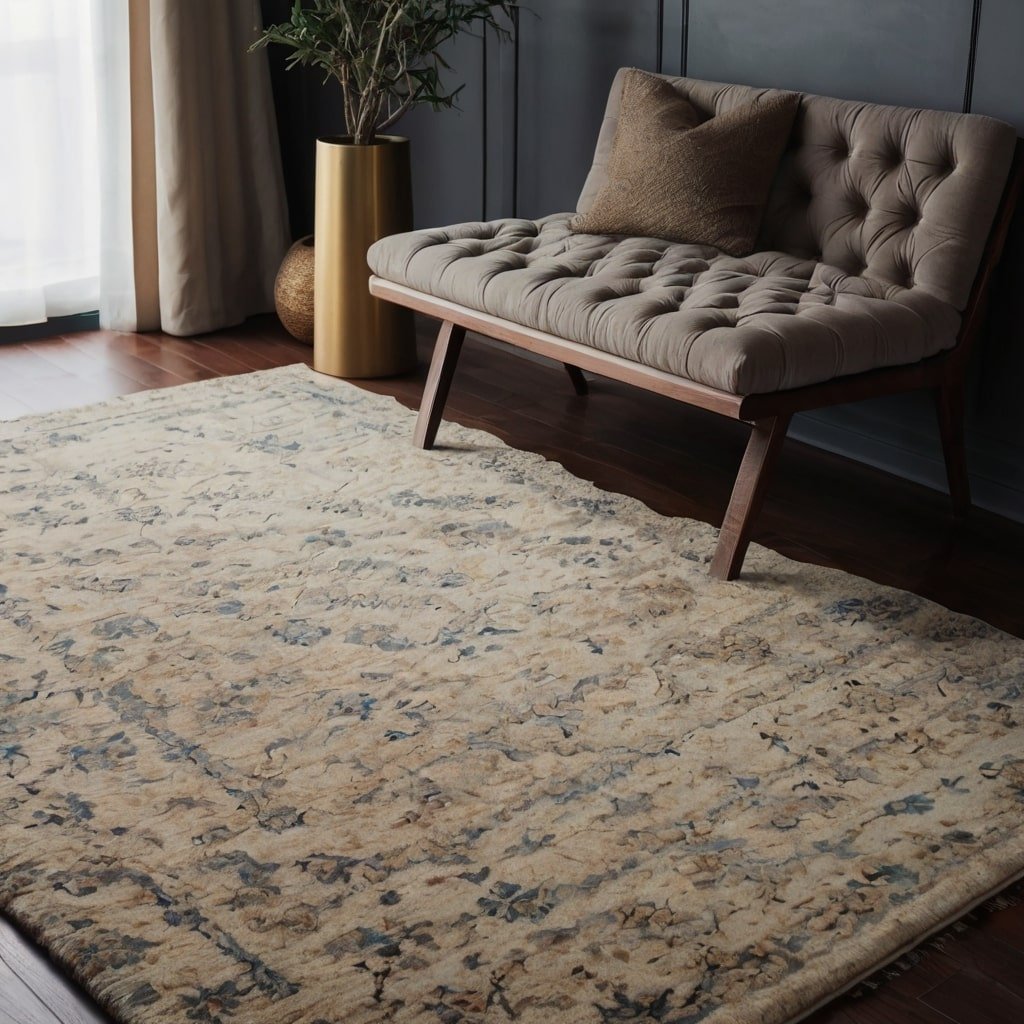
Warm colors typically advance visually, making them less obvious choices for small rooms. However, specific warm earth tones in muted intensities provide coziness and warmth without the space-shrinking effects of saturated warm colors.
Sand: Warm sandy tones bring beach and desert associations—both environments characterized by openness and light. Sand-colored rugs add warmth without heaviness, working particularly well in small spaces with cool-toned walls or limited natural light that needs warming. This color grounds spaces while maintaining the light-reflective properties that create spaciousness.
Sand pairs naturally with whites, blues, greens, and warm wood tones. It creates organic, comfortable environments that feel collected rather than decorated.
Muted Terracotta: While bright terracotta can overwhelm small spaces, muted, dusty versions of this earthy orange-red provide warmth with sophistication. Soft terracotta rugs add color personality while maintaining enough lightness to avoid shrinking rooms. This color works beautifully in bohemian, southwestern, or eclectic small spaces.
Muted terracotta pairs with sage green, cream, denim blue, and warm neutrals. It creates spaces with character and warmth without the heaviness of saturated warm colors.
Warm Beige: Beige with golden or peachy undertones brings warmth to small rooms without advancing aggressively. These warm beiges feel cozier than cool beiges while maintaining neutral versatility. Warm beige rugs work in rooms with cool northern light that needs warming, and they complement both traditional and contemporary design styles.
The color pairs with virtually anything—whites, grays, blues, greens, and other earth tones. It provides reliable foundations that allow other design elements to shine.
Pale Caramel: Soft caramel tones bring the richness of medium browns in lighter, more space-friendly values. Pale caramel rugs add subtle warmth and depth without the visual weight of darker browns. This color works beautifully with natural materials, leather furniture, and organic textures.
Pale caramel pairs with creams, deeper browns, soft blues, and sage greens. It creates warm, inviting spaces that maintain airiness.
Champagne: This warm metallic neutral brings golden warmth with a hint of shimmer. Champagne-toned rugs add subtle luxury while maintaining light-reflective properties. The slight metallic quality catches light, adding dimension without pattern. Champagne works well in both traditional and glamorous contemporary spaces.
The color pairs with golds, creams, soft pinks, and even cool grays for contrast. It creates elegant foundations that feel special without being ostentatious.
Soft Rust: Muted rust tones bring earthy warmth with contemporary sophistication. These colors have gained popularity in modern bohemian designs for their ability to add personality without overwhelming. Soft rust rugs work in small living rooms or bedrooms where you want warmth and character.
Soft rust pairs with sage green, navy, cream, and wood tones. It creates spaces that feel current and collected.
Why These Warm Tones Work: The key is saturation and value. These warm earth tones maintain relatively high light-reflective values (they’re not too dark) while offering muted saturation (they’re not intensely bright). This combination provides warmth and coziness without the advancing, space-shrinking effects of saturated warm colors.
Warm earth tones work particularly well in small rooms with abundant cool natural light—northern or eastern exposure—that benefits from warming. They also suit design styles that emphasize natural materials, organic textures, and comfortable, lived-in aesthetics.
Considerations: Even muted warm tones require careful application in very small or very dark rooms, where they might still feel heavy. Balance warm-toned rugs with lighter walls, adequate lighting, and thoughtful furniture arrangement. Test samples in your actual space to ensure the warmth feels inviting rather than overwhelming.
When selecting warm earth-toned rugs from quality sources like Shabahang Rugs, consider the specific undertones—some earth tones lean more golden, others more peachy or pink. These subtle differences significantly impact how the color works with your existing palette.
Bold Accent Colors: Best Used in Minimal Patterns
Bold, saturated colors can absolutely work in small rooms when used strategically. The key is application—bold colors work best as accent elements within patterns rather than solid fields of intense color.
Navy Blue: Deep, rich navy brings sophistication and depth without the heaviness of black. Navy rugs with minimal patterns—subtle tone-on-tone designs, thin stripes, or small geometric elements—add personality while maintaining refinement. Navy grounds small spaces and provides dramatic contrast with light walls and furniture.
Navy pairs beautifully with whites, creams, golds, corals, and even emerald greens. It works across traditional, nautical, and contemporary design styles. In small living rooms or bedrooms, navy creates anchor points that make the space feel intentional.
Forest Green: Deep, muted forest green brings nature indoors with sophisticated richness. When used in rugs with subtle patterns or as part of larger neutral fields, forest green adds depth and character. This color creates organic, grounded environments that feel substantial without being heavy.
Forest green pairs with cream, gold, rust, and deeper browns. It works in spaces that emphasize natural materials and earthy palettes.
Charcoal: Very dark gray offers the grounding qualities of black with more versatility. Charcoal rugs with subtle patterns or metallic threads add contemporary sophistication. This color works particularly well in modern small spaces with abundant white or light walls, where the contrast creates intentional drama.
Charcoal pairs with virtually any color—whites, pastels, jewel tones, or other neutrals. It provides bold foundations that allow colorful furniture and accessories to pop.
Deep Burgundy: Rich, muted burgundy brings warmth and sophistication when used carefully. Rugs featuring burgundy as part of traditional patterns—Persian designs, Oriental motifs—add cultural richness without overwhelming. The key is ensuring burgundy appears within balanced patterns rather than as solid fields.
Burgundy pairs with golds, creams, sage greens, and warm woods. It creates spaces with traditional elegance and depth.
Emerald Green: Jewel-toned emerald adds luxurious color when incorporated into patterns with neutral backgrounds. Small doses of emerald within geometric designs or subtle motifs provide personality without shrinking spaces. This color brings contemporary glamour and pairs beautifully with brass, gold, and Art Deco aesthetics.
Emerald pairs with navy, pink, cream, and gray. It creates spaces that feel current and sophisticated.
Deep Teal: Richer than soft teal, deep teal brings bold personality with surprising versatility. When used in rugs with cream or light gray backgrounds, teal accents add character without heaviness. This color works across design styles from bohemian to contemporary.
Deep teal pairs with coral, mustard, cream, and wood tones. It provides bold yet sophisticated foundations.
How to Use Bold Colors Successfully: The critical principle is distribution. Bold colors work best when they appear as part of patterns with substantial neutral backgrounds, not as solid fields. A rug that’s 70% cream with 30% navy pattern works in small rooms. A solid navy rug typically doesn’t.
Bold accent colors also work best in small rooms with excellent natural light that prevents the space from feeling cave-like. They require careful balance with lighter walls, furniture, and accessories.
Consider scale as well—in very small rooms (under 100 square feet), even patterned bold colors might overwhelm. In slightly larger small rooms (150-200 square feet), thoughtfully patterned bold rugs create sophisticated focal points.
The Shabahang Rugs Approach: Premium rug makers often incorporate bold colors within carefully balanced traditional and contemporary designs. These pieces demonstrate how rich colors can enhance rather than overwhelm small spaces when applied with artistry and restraint.
Bold accent colors show personality and prevent small rooms from feeling generic or boring. Used thoughtfully, they prove that small spaces can handle character and drama.
Black and White Rugs: Add Depth and Modern Style
Black and white rugs offer unique opportunities in small rooms. The high contrast creates visual interest, while strategic patterns can actually enhance perceived space.
Striped Patterns for Elongation: Black and white striped rugs create directional movement that elongates space visually. Horizontal stripes make narrow rooms feel wider. Vertical stripes (in the direction the rug is placed) make rooms feel longer. This optical effect provides actual spatial enhancement beyond simple color choice.
Stripe width matters. Thin stripes create more pronounced directional effects. Wide stripes create bold statements that work in slightly larger small rooms. Very thin, closely spaced stripes can create visual vibration that feels busy—medium stripe widths typically work best.
Geometric Patterns for Visual Expansion: Black and white geometric designs—hexagons, diamonds, Greek key patterns—create visual movement that prevents the eye from settling on room boundaries. This movement tricks the brain into perceiving more space. The key is pattern scale—smaller, repeating geometrics work better in compact rooms than large-scale patterns.
Geometric black and white rugs work beautifully in contemporary, modern, and transitional spaces. They provide strong design foundations that allow colorful accessories to pop.
Tone-on-Tone Patterns: Not all black and white rugs feature stark contrast. Rugs with charcoal and cream, or black and soft gray create more subtle visual interest while maintaining the sophisticated black and white aesthetic. These softer versions work well in very small rooms where stark contrast might feel harsh.
Faded or Distressed Styles: Vintage-inspired black and white rugs with deliberately faded or distressed appearances offer the graphic impact of the color combination with softened contrast. These work particularly well in eclectic or industrial-chic small spaces where character and patina matter.
Why Black and White Works: The contrast creates depth perception—light areas recede while dark areas anchor. This three-dimensional effect adds visual complexity that makes rooms feel more spacious than flat, single-color floors. Black and white also provides ultimate neutrality that works with any accent color, allowing flexibility in décor changes.
Balancing the Contrast: Black and white rugs work best in small rooms with adequate natural light and predominantly light walls. The light surrounding elements prevent the dark portions of the rug from making spaces feel heavy. In very dark rooms with limited light, black and white contrast might feel too stark or make the space feel smaller.
Consider proportion—in a very small room, a rug that’s 50% black might feel too dark. Look for designs that are predominantly white with black accents for better spatial effects.
Modern Styling: Black and white rugs inherently feel modern and contemporary. They pair beautifully with minimalist furniture, clean lines, and edited design approaches that suit small spaces. In traditional or eclectic small rooms, they provide grounding contrast that prevents the space from feeling too busy.
The graphic nature of black and white creates instant visual interest without color, making these rugs focal points that organize entire rooms around their presence.
Patterned Rugs That Work in Small Rooms
Pattern in small rooms requires careful consideration, but the right patterns actually enhance spatial perception rather than creating chaos.
Thin Stripes: Linear patterns create directional movement that elongates space. Thin stripes in complementary colors—cream and soft gray, blue and white, beige and tan—add subtle visual interest without busyness. The key is keeping stripe widths narrow and color contrasts gentle rather than stark.
Place striped rugs to emphasize the dimension you want to expand. In narrow rooms, run stripes perpendicular to the narrow walls to create width. In short rooms, run stripes toward the far wall to create depth.
Tone-on-Tone Patterns: Patterns that use variations of a single color family add texture and interest without the fragmentation of multi-color designs. A rug featuring cream, ivory, and soft beige in a subtle pattern provides dimension while maintaining the space-expanding benefits of light neutrals.
Tone-on-tone patterns work across all design styles and provide sophisticated alternatives to solid colors. They hide dirt better than solid rugs while maintaining the cohesive appearance that small rooms need.
Small Geometric Prints: Repeating small-scale geometric patterns—tiny diamonds, small hexagons, delicate Greek key borders—add personality without overwhelming. The key is scale—patterns should be proportionate to the room size. In very small rooms, even “small” patterns might need to be quite tiny.
Geometric patterns work particularly well in contemporary and transitional small spaces. Choose designs with limited color palettes (two to three colors maximum) to prevent visual chaos.
Faded Vintage Patterns: Deliberately aged or vintage-inspired rugs feature softened colors and muted patterns that add character without harshness. These work beautifully in eclectic or bohemian small spaces where collected, layered looks prevail. The faded quality prevents patterns from competing aggressively for attention.
Vintage patterns often feature traditional motifs—Persian designs, Oriental elements, tribal patterns—in softened color palettes. These add cultural richness and personality while maintaining the subtle quality small rooms need.
Moroccan Trellis: Simple trellis or lattice patterns in gentle color contrasts add structure without busyness. These geometric designs create visual interest through repeated forms rather than complex colors. Moroccan-inspired patterns work across design styles from traditional to contemporary.
Choose trellis patterns in neutral color combinations—gray and cream, beige and white, soft blue and ivory—for maximum versatility and spatial enhancement.
Botanical Motifs: Subtle, simple botanical patterns—delicate leaves, stylized florals, organic shapes—add nature-inspired interest. The key is simplicity and color restraint. Avoid busy, multi-colored floral patterns that fragment space. Instead, choose designs with one or two colors and simplified botanical forms.
These patterns work particularly well in bedrooms or living spaces where you want organic warmth without literal nature themes.
Why These Patterns Work: Each of these pattern types maintains visual cohesion through limited color palettes, appropriate scale, or directional effects that enhance rather than fragment space. They prove that small rooms can absolutely handle pattern when chosen thoughtfully.
Pattern Mistakes in Small Rooms: Avoid large-scale patterns that overpower small spaces. Steer clear of busy, multi-colored designs that create visual chaos. Skip patterns with high color contrast that fragment the floor into competing visual pieces.
When selecting patterned rugs from makers like Shabahang Rugs, consider how the pattern scale relates to your specific room dimensions. What works beautifully in a showroom might overwhelm a compact space—always visualize patterns in context.
Rug Colors to Avoid in Small Rooms
While almost any color can work in small spaces with the right application, certain color choices consistently create problems in compact rooms.
Very Dark All-Over Colors in Low-Light Areas: Solid dark brown, black, or deep charcoal rugs absorb light and create visual weight. In small rooms with limited natural light, these colors make spaces feel cave-like and confining. The dark floor draws the eye down and emphasizes the room’s actual small dimensions rather than creating illusions of spaciousness.
Exception: In small rooms with excellent natural light and predominantly white walls and furniture, dark rugs can create dramatic contrast that actually enhances the space through intentional design tension.
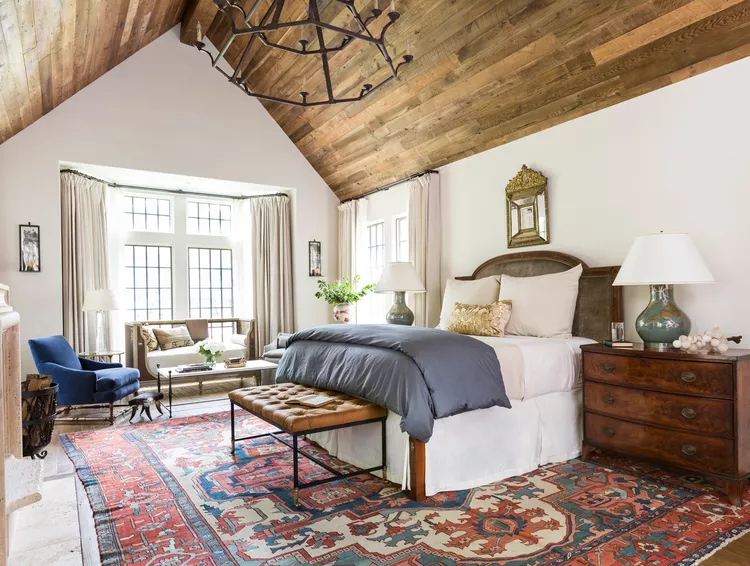
Busy, High-Contrast Patterns: Rugs featuring many colors in sharp contrast create visual fragmentation. The eye struggles to settle, making the room feel chaotic and smaller. These patterns compete with furniture, walls, and accessories, creating cluttered impressions even in otherwise well-organized spaces.
Patterns with four or more distinct colors rarely work well in small rooms. Those with stark contrasts—bright yellow and deep purple, hot pink and black—create similar problems.
Overly Saturated Bright Colors: While pastels and muted tones work beautifully, intensely saturated bright colors—electric blue, hot pink, bright yellow, vivid orange—overwhelm small spaces. These colors demand attention and visually advance, making floors feel closer and rooms feel smaller. They also limit flexibility in décor changes, as these bold colors restrict compatible accent colors.
Multi-Color Chaos: Rugs attempting to incorporate many colors—sometimes called “transitional” rugs designed to work with multiple color schemes—often create visual confusion in small rooms. These well-intentioned designs fragment the space and prevent the cohesion that makes compact rooms feel intentional.
Very Cool Colors in Cool-Light Rooms: While cool colors generally help small spaces, taken to extremes in rooms with north-facing windows or cool artificial lighting, they can make spaces feel cold and uninviting. An icy blue rug in a basement room with fluorescent lighting creates an inhospitable environment despite the color’s space-expanding properties.
Muddy or Dull Colors: Colors lacking clarity—muddy browns, dull grays, murky greens—make small rooms feel dingy and uninspiring. These colors neither expand space nor add intentional style. They simply make rooms feel neglected and poorly designed.
Red-Dominated Palettes: While muted terracottas and rusts work when used carefully, rugs dominated by true red—cherry red, fire engine red, bright burgundy—advance aggressively in small spaces. Red stimulates and energizes, but in concentrated doses on floors, it can make compact rooms feel overwhelming and visually smaller.
Why These Don’t Work: These colors and combinations either absorb too much light, create visual chaos, advance too aggressively, or fail to create the cohesion that makes small rooms successful. They emphasize actual limitations rather than creating illusions that enhance perception.
Reconsidering “Rules”: Design rules exist to be thoughtfully broken. If you genuinely love a color typically discouraged in small spaces, consider whether excellent lighting, predominantly light surroundings, and minimal furniture might allow that choice to work. The key is understanding why certain colors typically fail so you can address those issues if you want to deviate from guidelines.
How to Choose the Right Rug Color for Your Space
Selecting the perfect rug color requires analyzing your specific room’s characteristics rather than following generic rules.
Consider Wall Color: Your walls comprise the largest color field in any room. Rugs that harmonize with wall colors create cohesion and spaciousness. Rugs that contrast sharply fragment the space.
For white or off-white walls—the most common in small spaces—nearly any rug color works, though lighter options maximize the spatial benefits. For colored walls, consider rugs in lighter values of the same color family or neutral tones that complement rather than compete.
If your walls are dark—navy, charcoal, forest green—in a small room, lighter rugs provide essential contrast that prevents the space from feeling oppressively dark. The light rug reflects what light exists and provides visual relief.
Match Furniture Palette: Analyze your existing or planned furniture colors. Rugs should relate to these colors through harmony or intentional contrast, not accidental mismatch.
For neutral furniture—grays, beiges, whites—you have maximum flexibility. Consider whether you want the rug to maintain neutral cohesion or introduce color as an accent layer.
For colored furniture, decide whether your rug should complement (analogous colors), contrast (complementary colors), or neutrally recede. In small rooms, having both bold furniture and bold rugs often creates too much competition. Let one element shine while the other supports.
Use Natural Light Wisely: Assess how much natural light your room receives and at what times of day.
Rooms with southern or western exposure receive warm, abundant light. These spaces can handle cooler rug colors that balance the warm light. They can also accommodate slightly darker values that might overwhelm rooms with less light.
Rooms with northern exposure receive cooler, indirect light. These benefit from warmer rug colors that add coziness. Lighter values work better here, as darker rugs combined with cool light create cold, uninviting environments.
Rooms with minimal windows need maximum light reflection. Choose the lightest rug colors possible to bounce available light throughout the space.
Assess Artificial Lighting: Consider your room’s artificial lighting as well. Warm-toned bulbs (2700K-3000K) make cool rug colors appear more neutral while emphasizing warmth in warm rugs. Cool-toned bulbs (4000K+) do the opposite. Test rug samples under your actual lighting conditions to see how colors render.
Define Your Primary Goal: Clarify whether your priority is:
- Maximum spatial expansion (choose lightest neutrals or pastels)
- Adding personality with color (choose muted tones from your preferred color family)
- Creating dramatic
This response paused because Claude reached its max length for a message. Hit continue to nudge Claude along.
Get a Free Estimate Today
Ready to restore your rug?
Contact us at Shabahang Rugs for fast, honest quotes and convenient scheduling.
Call: (847) 256-5205
Visit: 3207 Lake Avenue, Wilmette, IL 60091
Request a Quote: Shabahang Rugs
No hidden fees. No harsh chemicals. Just expert rug care done right.
Ready to restore your rug?